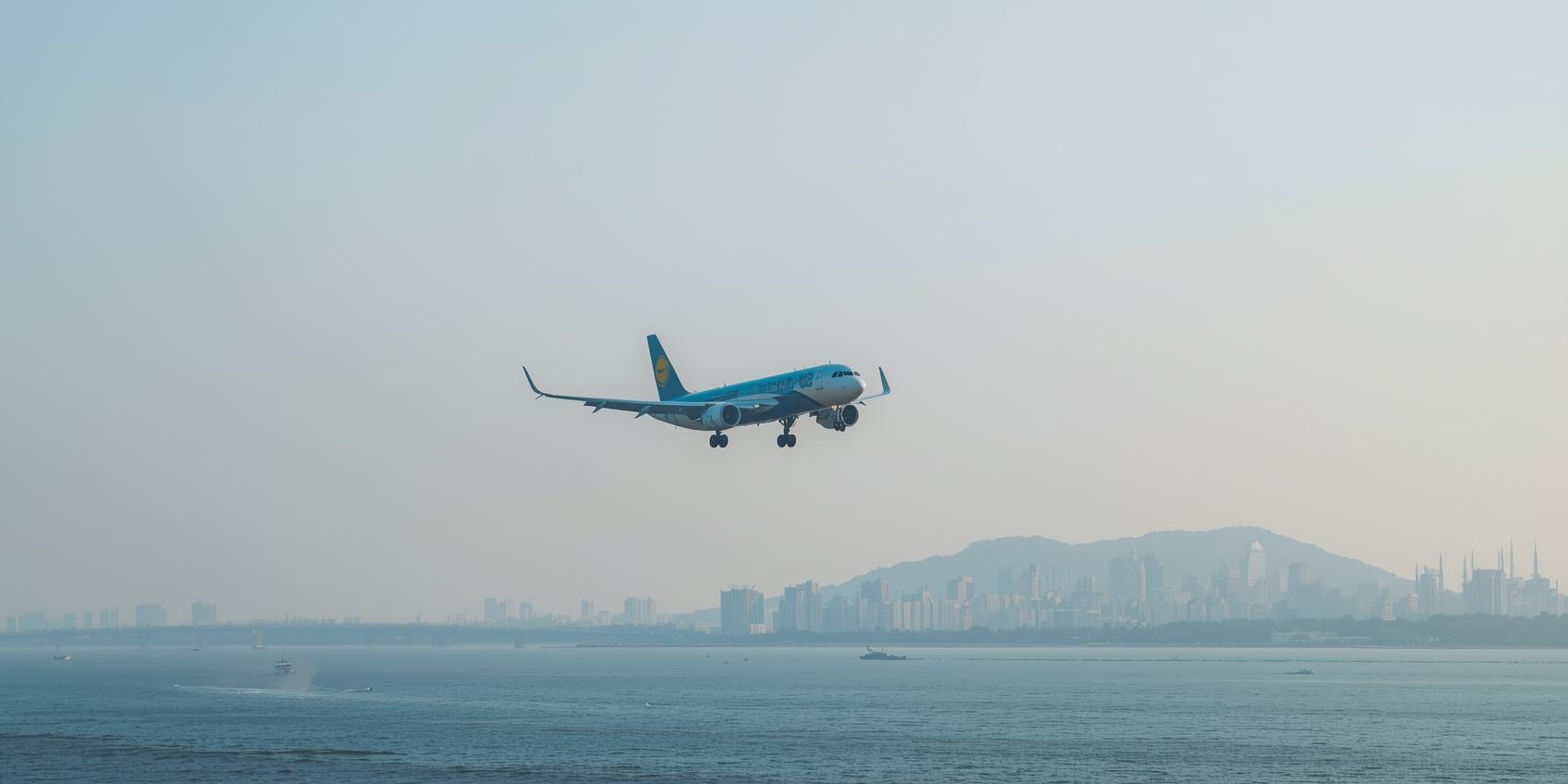

The upcoming inauguration of the Navi Mumbai International Airport (NMIA) marks a significant milestone in India’s infrastructure development, poised to reshape the Mumbai Metropolitan Region’s connectivity and urban landscape.
Strategic Location and Connectivity
Located in Ulwe, Navi Mumbai, the NMIA is strategically positioned to alleviate congestion at the existing Chhatrapati Shivaji Maharaj International Airport. The airport’s design incorporates multimodal connectivity, including road, rail, and metro links, ensuring seamless access for passengers and enhancing the region’s accessibility.
Economic and Urban Impact
The establishment of NMIA is expected to stimulate economic growth by attracting investments, boosting tourism, and creating employment opportunities. The surrounding areas, particularly the Panvel-Ulwe corridor, are anticipated to experience significant development across various asset classes, including residential, commercial, and industrial sectors.
Expert Insights
Karan Singh Sodi, Senior Managing Director (Mumbai MMR & Gujarat) and Head-Alternatives, India, JLL, emphasized the transformative potential of the NMIA:
“With the impending launch of the world-class Navi Mumbai International Airport, the city is poised to further elevate its status as a premier global metropolitan destination. This transformative project is a testament to the visionary efforts of both the central and state governments, whose commitment to integrated infrastructure—encompassing rail, road, and metro connectivity—has unlocked unprecedented avenues for growth across all segments. The seamless last-mile connectivity and strategic positioning of the airport are setting new benchmarks for urban development, economic opportunity, and global connectivity, reaffirming Navi Mumbai’s emergence on the world stage. With the launch of this airport, the entire Panvel-Ulwe corridor is expected to grow significantly across multiple asset classes.”
Inauguration Details
The NMIA is scheduled for inauguration on October 8, 2025, with Prime Minister Narendra Modi set to officiate the ceremony. The airport’s phased operational commencement is expected to begin by December 2025, with full-scale operations anticipated in the following year.
Conclusion
The NMIA stands as a testament to India’s commitment to enhancing infrastructure and connectivity. Its development is poised to significantly impact regional growth, positioning Navi Mumbai as a key player in the global urban landscape.
Also Read: CIDCO clears entire Navi Mumbai International Airport site