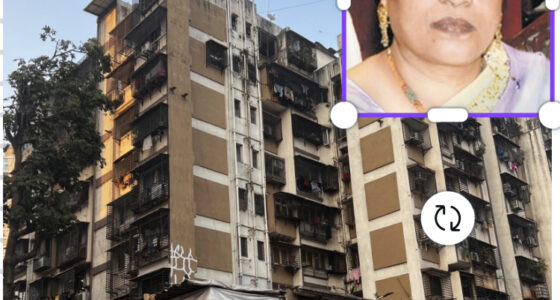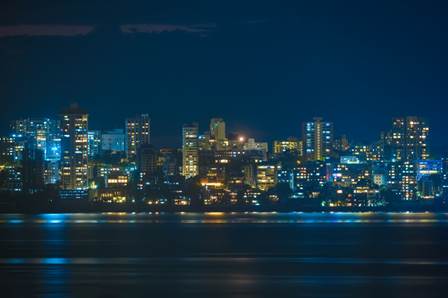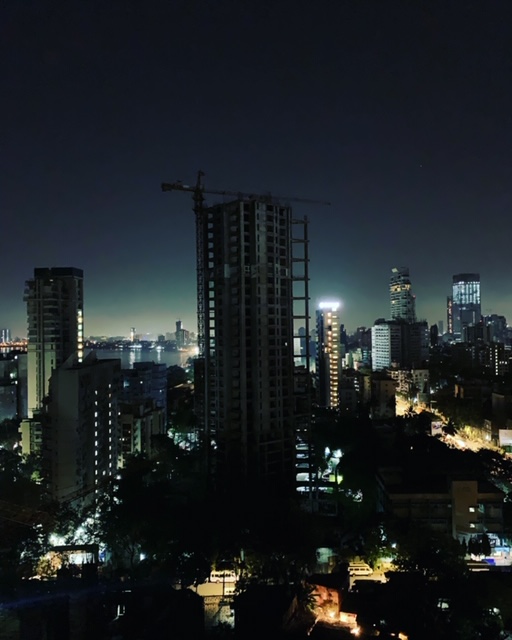
It is literally work in progress for Mumbai’s Real Estate Industry in all seasons. Litigations are delaying projects in the city. A project in litigation takes 20% longer to complete than a regular project shows a study by Brookings Institution India Center.
By Varun Singh
Litigations are delaying the real estate projects of Mumbai. A paper by Brookings Institution India Center, shows that of the 3,000 ongoing formal real estate projects in Mumbai 30% of the projects and around 50% of the built-up space is under litigation.
The paper worked upon by Sahil Gandhi, Vaidehi Tandel, Alexander Tabarrok and Shamika Ravi elaborates the fact that litigations do hamper the speed of the projects.
The paper says “On an average, construction takes around 8.5 years to complete. This paper investigates the causal relationship between litigation and completion time of real estate projects in Mumbai. Even after controlling for experience of the developers and project size, we find that litigated projects take 20% longer to complete. We address potential endogeneity concerns using an instrument — the neighbourhood’s propensity to sue, and find that litigation increases time taken for completion a project by 58%. This has direct implication for housing affordability; house prices in Mumbai can go up by one-third due to litigation.”
The paper has used data from three sources: The Real Estate Regulatory Authority of Maharashtra (MahaRERA), the MCGM, and the Bombay High Court.
The paper explains that the logic for litigation as follows. First, it may be the case that residents in certain neighbourhoods are more organised or there is a strong presence of NGOs who will litigate on behalf of residents to oppose malpractices by developers or petition the government.
Second, specific location characteristics could increase likelihood of litigation. For instance, development in areas close to forests, mangroves or the coastline could see higher chances of litigation.
Third, if frequent subdivision of land in certain neighbourhoods result in fragmented ownership, and those possessing land have unclear property titles, the possibility for disputes over land ownership in these areas will increase.
In Maharashtra, of the ongoing projects registered with RERA, 16% are under litigation. The litigated projects comprise 31.2% of the total built-up area of RERA registered projects and 19.1% of the total land area of RERA registered projects in the state.
A project can have one or more cases in the court. In all, the total number of cases for projects in Mumbai is 2,836 in different courts.
A majority of cases (57%) are in lower courts and tribunals, followed by the High Court. The average pendency of cases in the Bombay High Court in 2016 was around 3.5 years. Only 1% of all cases are or have been heard in the Supreme Court.
The mean duration for completing real estate projects is 8.44 years. The average built-up area of projects is 8842 square meters. In 27% of projects, the developers have past experience, 33% of projects are redevelopment projects, and 18% of projects are being built under the Slum Rehabilitation Scheme or are slums converted to formal residential buildings.
The paper also focuses on solutions. The paper reads, “Policy solutions must focus on tackling the two-pronged problem of high incidence of litigation and high pendancy rates in the judiciary. The former require reforms pertaining to land titling and reducing complexity in regulations. The latter require to be addressed through measures that improve the efficacy of an overburdened court system.”