
India needs a new generation of cities to sustain its economic transformation and realize the Viksit Bharat 2047 goal, according to a new thought-leadership report by Primus Partners titled “Beyond Urban Missions: India Needs a New Generation of Cities.” The report calls for a fundamental shift in India’s urban development model, moving away from metro-centric growth toward a more balanced, distributed, and resilient urban system.
Metro Model Under Stress
While metropolitan regions contribute nearly 65% of India’s GDP, the report warns that they are reaching saturation—facing rising congestion, land constraints, ecological stress, and declining livability. With 30 people joining the urban population every minute, India’s current urban growth pattern is no longer sustainable.
The report also highlights a worrying fact: no Indian city ranks among the world’s top 350 urban economies, underscoring the urgency to create new centres of economic gravity.
85 Emerging Cities Identified as Growth Nodes
Primus Partners identifies 85 emerging urban centres across States and Union Territories that have strong demographic momentum, institutional readiness, and economic potential. These cities, the report notes, are poised to evolve into strategic engines of growth, reducing the overwhelming pressure on metros.
The Roadmap: Stronger Planning, Decentralised Economies, Empowered ULBs
The report proposes a comprehensive and integrated pathway for reshaping India’s urban future:
Key Recommendations
- Strengthen regional and spatial planning to ensure coordinated growth instead of fragmented development.
- Expand affordable housing and social infrastructure to absorb rising migration.
- Decentralise economic value chains to improve resilience across cities.
- Empower Urban Local Bodies (ULBs) with enhanced planning, regulatory, and delivery capacities.
- Develop allied towns and new economic anchors to attract talent, businesses, and innovation.
Expert Voices
Aarti Harbhajanka, Co-Founder & MD, Primus Partners, emphasised that India must create “several strong urban centres that are part of connected regional systems.” She stressed that governance and empowered local bodies will be the deciding factors in building balanced, citizen-centric cities.
Shubham Katyayan, Vice President, Primus Partners, highlighted the need for cities to become magnets for investment, talent, and innovation, driven not just by infrastructure but also by institutional capacity, skilled workers, and regional-level collaboration.
A New Urban Vision for India
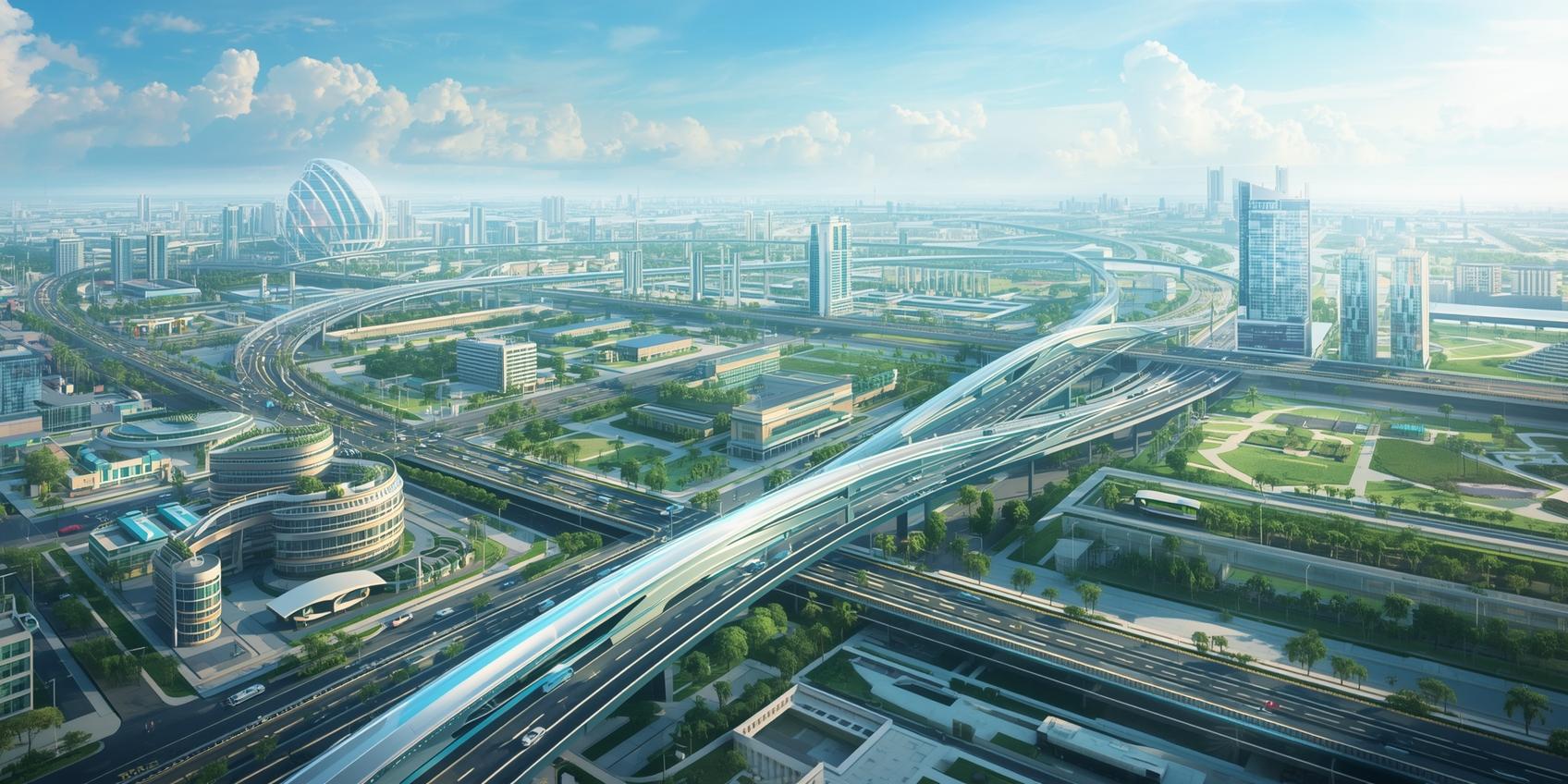
The report argues that these 85 next-generation cities are not merely alternatives to metros but the foundation of a redesigned urban architecture that can support India’s rise as a global economic powerhouse by 2047.
By placing emerging cities at the centre of the development narrative, Beyond Urban Missions presents a compelling blueprint for a more inclusive, competitive, and opportunity-rich urban future.
Also Read: New Home Launches Dominate Sales in Top 7 Indian Cities in 2024