
In a major step towards future-proofing Mumbai’s aviation infrastructure, City and Industrial Development Corporation has appointed a joint venture of RITES Limited and Creative Group LLP to conduct a techno-commercial feasibility study for a proposed third runway at Navi Mumbai International Airport (NMIA).
The study, which will assess the viability of expanding the airport’s capacity, is expected to be completed within six months.
Why a Third Runway Is Being Considered
The move comes as air traffic demand in the Mumbai Metropolitan Region (MMR) continues to surge rapidly.
Currently, NMIA operates as part of a dual-airport system alongside Chhatrapati Shivaji Maharaj International Airport. While both airports together are expected to handle 150 million passengers per annum (MPPA) by 2040, future projections indicate demand could reach a massive 240 MPPA by 2047–2050.
This anticipated growth has pushed authorities to start planning additional infrastructure well in advance.
What the Study Will Cover
The feasibility study will take a detailed look at:
- Technical feasibility of constructing a third runway
- Operational efficiency and air traffic handling capacity
- Environmental impact
- Financial viability of the expansion
The goal is to ensure that NMIA can handle long-term demand while maintaining efficiency and sustainability.
Inside Navi Mumbai International Airport’s Expansion Plan
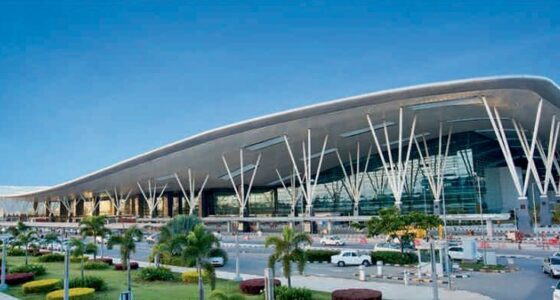
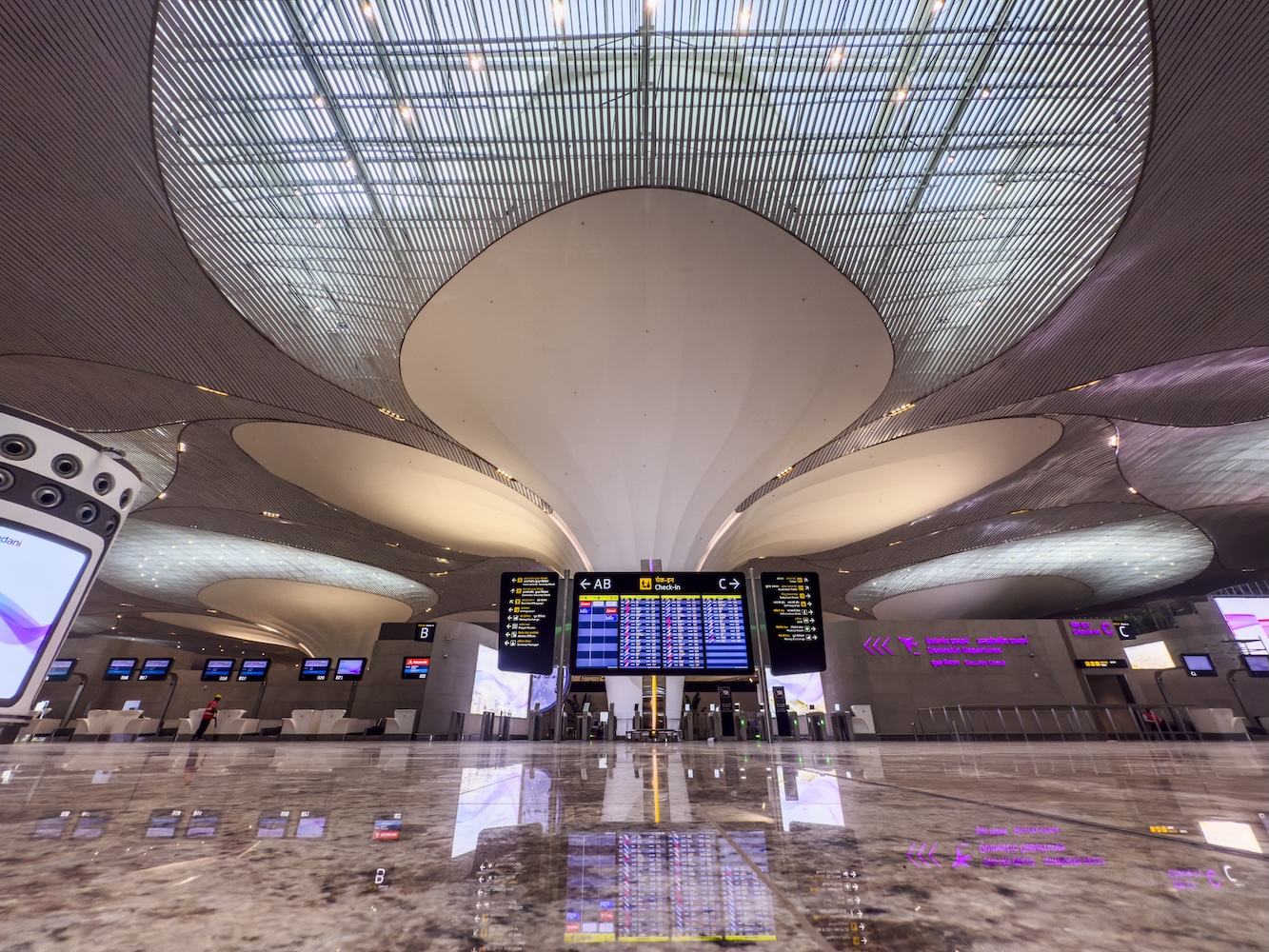
Navi Mumbai International Airport is one of India’s largest greenfield airport projects and is designed as a major aviation hub for the region.
Key Features:
- Spread across 1,160 hectares
- Planned with two parallel runways (currently)
- Four terminals to be developed in phases
- Designed capacity:
- 90 million passengers annually
- 3.2 million tonnes of cargo per year
The proposed third runway could significantly enhance this capacity and help position NMIA as a global aviation gateway.
Why This Move Matters for Mumbai
The Mumbai Metropolitan Region already has a population of over 20 million, and air travel demand is rising sharply due to:
- Economic growth
- Increasing international connectivity
- Expansion of business and tourism
While a third airport is being proposed at Vadhavan, authorities are simultaneously exploring expansion at NMIA to avoid future congestion.
CIDCO’s leadership highlighted that planning ahead is critical to avoid infrastructure bottlenecks and ensure seamless growth.
Who Are the Consultants?
- RITES Limited is a government-owned enterprise under the Ministry of Railways, known for its expertise in transport and infrastructure projects, including airport planning.
- Creative Group LLP is an engineering consultancy firm with experience in large infrastructure developments.
Together, they will evaluate whether adding a third runway is technically and financially feasible.
What This Means Going Forward
If the study supports the proposal, the third runway could:
- Boost airport capacity significantly ✈️
- Reduce congestion in Mumbai’s airspace
- Strengthen India’s position as a global aviation hub
- Support long-term economic growth in the region
However, the final decision will depend on the findings of the study, expected later this year.
Also Read: CIDCO clears entire Navi Mumbai International Airport site