
Mumbaikars here’s some good news, around 16.14 lakh citizens get 100% relief property tax payment. Strict stand against those not paying property tax too.
By Varun Singh
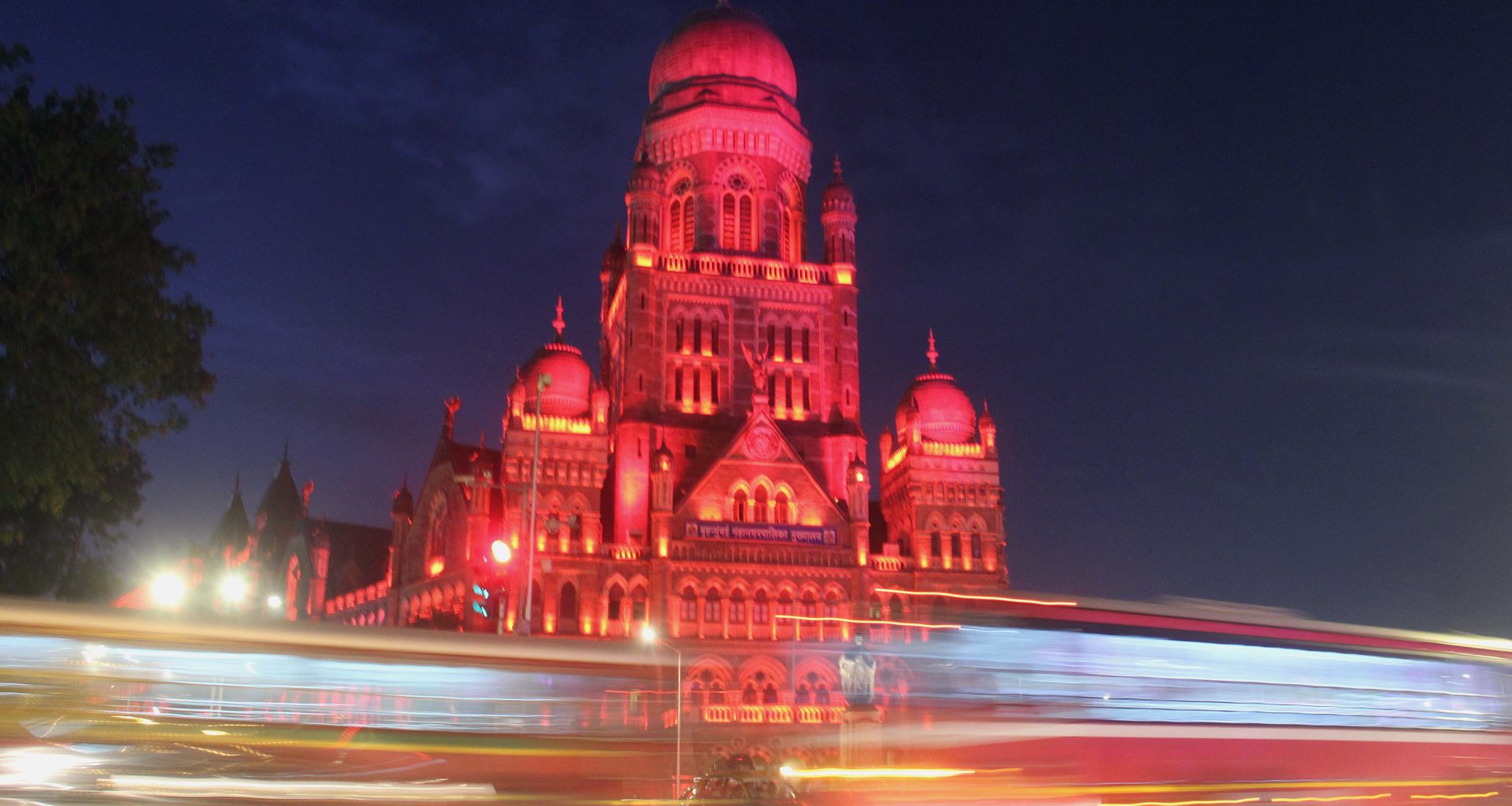
The BMC commissioner presented the budget for Mumbai’s Municipal Corporation on Thursday. There were some big announcements too. Of which the biggest was about property tax.
Apart from this, the BMC has decided to take strict measures against those not paying the tax and for unauthorised construction.
The budget speech of the commissioner stated that, in the financial year 2021-22, revenue from Property Tax was revised from estimated ₹7000 crore to ₹4800 crore.
A major relief to residential property of 500 sq.ft. or less carpet area is one of the reason behind the shift in the goal of revenue from the property tax.
According to the BMC about 16,14,000 Mumbaikars got 100% relief from Property Tax payment. The amount of exemption to the Mumbaikars is to the extent of ₹462 crore per annum.
Reasons for reduction in estimation of income from Property Tax were answered as follows.
Besides, Capital Value Revision is deferred considering Covid-19 situation and without any rise in Property Tax is being collected on the basis of property tax for the year 2019-20.
According to BMC tax paying Mumbaikars are paying 50% of arrears tax as per court order as final decision is pending in the writ petition against Capital Value – Based Tax System.
The BMC claims that the drop in property tax collection is temporary and BMC expects property tax collection to come to normalcy in near future.
The BMC listed following measures to increase income from property tax
- Proposed Capital Value Revision as per section 154(1C) of MMC Act 1888, is to be implemented for 3 years starting from 2022-23.
- A provision for imposition of penalty on unauthorised construction which will be twice the amount of Property Tax is made under section 152A of MMC Act 1888, and implementation of revised procedure has already started.
- For timely collection of property tax, procedure to issue flat-wise bills to defaulting flat owners of HSG Societies is being implemented.
Ramesh Nair, CEO, India and Managing Director, Market Development, Asia, Colliers said, “At a time when the Union Budget 2022-23 has not announced specific demand-side incentives, the Maharashtra government’s announcement on the property tax waiver in the affordable housing segment infuses a fresh lease of life for end users and prospective homebuyers. A booster to buoy the market sentiment, the likely revenue loss should be offset by incremental sales volumes in the affordable segment”
Also Read: Only 1 proposal offering land for pandemic hospital, BMC extends date