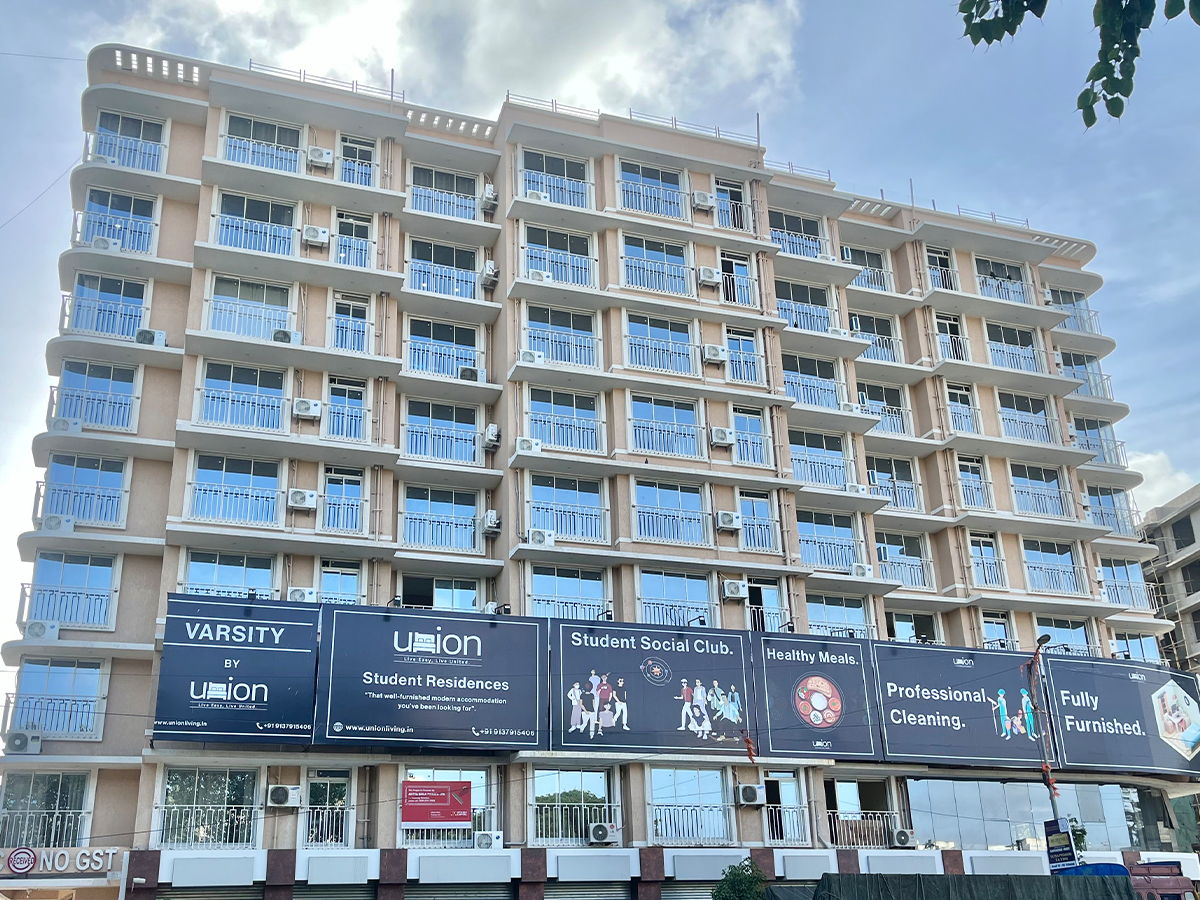

· New properties are expected at Mahalakshmi, Juhu, Khar/Santacruz, Goregaon/Malad, Chembur, Navi Mumbai.
· Three properties, comprising approximately 500 beds in total, will be developed as Built-to-Suit (BTS) properties
· Union living is also planning to add more properties in Pune and other cities
Co-living startup Union Living has chalked out an expansion plan for the current calendar year wherein it will add 1,000 beds across various key locations in Mumbai region.
Started by two co-founders Rishab Soni and Parth Soni in 2020, Union living current portfolio includes 1050 operational beds across nine properties in Mumbai, Pune and Ahmedabad.
The company caters to both students and working professionals. It also provides short-term stay facilities. The company provides rental accommodation at a starting price of Rs 20,000 per bed. The rate goes up to as high as Rs 45,000 per bed.
As per the plan, Union Living will launch 220 beds in Mahalakshmi, 180 beds in Juhu, 100 beds in Khar/Santacruz, 150 beds in Goregaon/Malad, 100 beds in Chembur, and 200 beds in Navi Mumbai. Among these, a minimum of three properties, comprising approximately 500 beds in total, will be developed as Built-to-Suit (BTS) properties, offering customized facilities to better cater to the needs of occupants. These BTS properties are expected to go live by July this year.
The company will invest Rs 10 crore on this expansion. The fund will be largely used for security deposit to landlord and interior works of its new centres.
Union Living generally takes properties from owners on long-term lease basis. It is also open to form revenue-share partnerships with property owners.
Rishabh Soni, co-founder, Union Living said, “The strategy of new launches within Mumbai micro market reflects Union Living’s commitment to providing quality living spaces in diverse neighborhoods, catering to the specific needs and preferences of its target tenants.”
“Our focus remains on creating vibrant, stylish, and comfortable living environments that resonate with the dynamic lifestyles of millennials and Gen Z.”
This expansion is part of Union Living’s commitment to providing quality co-living spaces to outstation millennials and Gen Z, offering a community-centric experience through a range of in-house events covering music, festivities, mental health, personal development, and more.
“The demand for quality co-living spaces is robust, and we perceive significant growth potential within this segment. In addition to expanding in Mumbai, we have plans to introduce new properties in Pune and other cities,” said Parth Soni, co-founder, Union Living.
Union Living caters to a diverse target audience, encompassing working professionals and students aged between 18 and 35, with an inclusive approach towards both male and female individuals.
Specifically designed for outstation students and full-time working professionals relocating for employment opportunities, the co-living spaces are tailored to accommodate a middle to upper-middle-class income range.