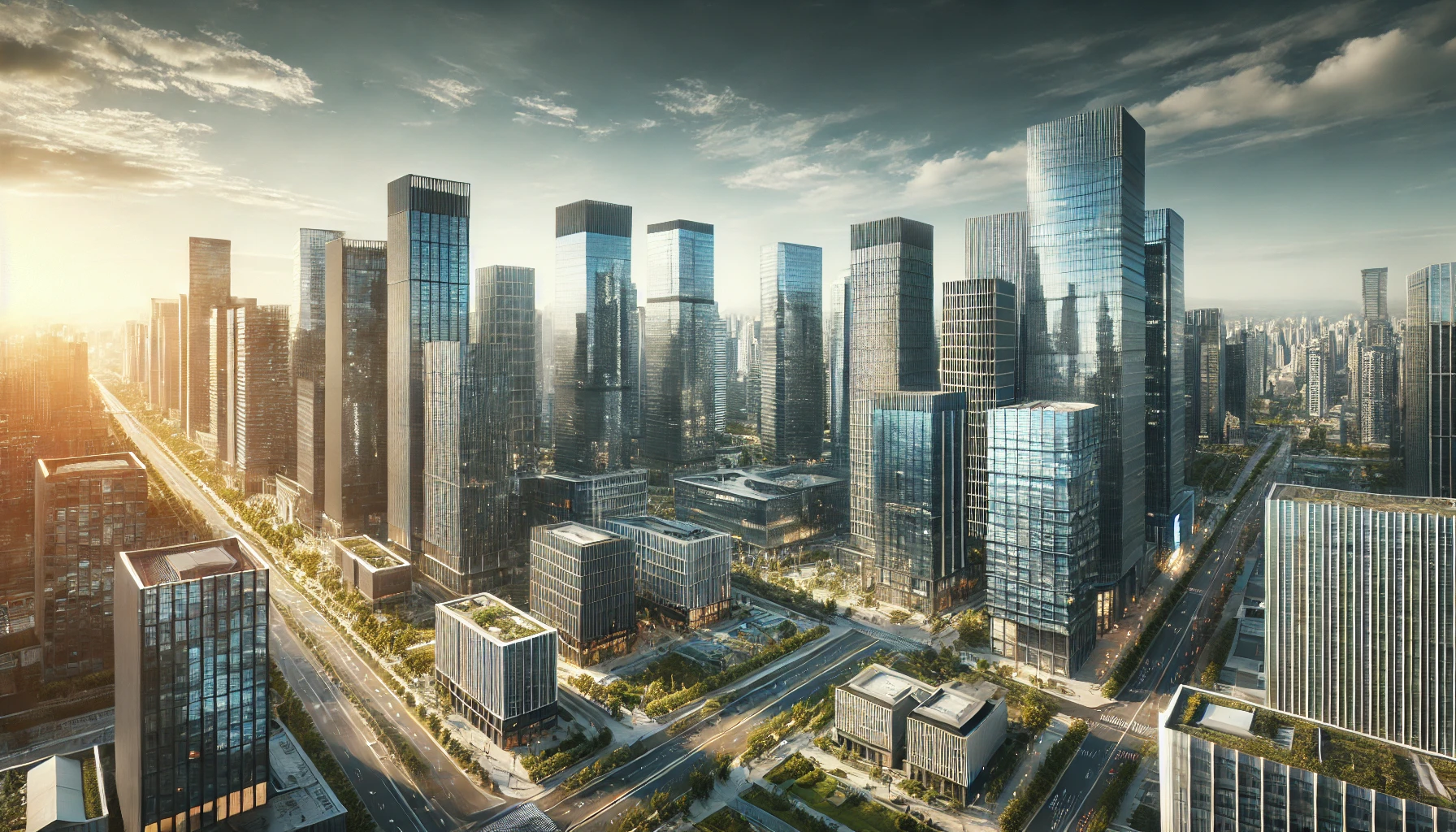

India may be a cost leader in labor for office interiors, but tenants are now paying up to 38% more on key systems like HVAC, electricals, and fire safety compared to the Asia-Pacific average, reveals JLL’s APAC Fit-Out Cost Guide 2025.
While builders’ work accounts for 32% of fit-out costs in India—far lower than the APAC average of 41%—the cost of mechanical and electrical (M&E) services has surged to 29%, outpacing the regional average of 21%. This inversion in cost structure underscores a growing trend: India is cheap to build, but costly to equip.
🧱 Labour-Saving… But That’s Just One Part of the Puzzle
India’s strength lies in affordable labor. Builder’s work—typically the most labour-intensive component—is significantly cheaper, helping firms manage upfront costs. However, the savings are quickly offset by higher investments in infrastructure, especially where landlords provide minimal base build support.
🔌 Technology & Infrastructure: No Longer Optional
Indian workspaces are racing to become smarter. 17% of office fit-out budgets now go to Security, IT & AV, reflecting the growing demand for hybrid work support and tech-driven collaboration tools.
Another 16% is allocated to Furniture, Fixtures & Equipment (FFE)—often imported, and thus subject to taxes and currency fluctuations. Meanwhile, professional services account for just 5%, the smallest chunk of the spend.
💡 A Shift Towards Sustainability
“Creating sustainable, high-performance workspaces is no longer just a trend—it’s a business imperative,” said Dr. Samantak Das, Chief Economist at JLL India. With employees demanding healthier, tech-integrated environments, companies are now more willing to spend on energy-efficient systems, smart features, and sustainable refurbishment—even if that means stretching CAPEX.
Interestingly, India is pioneering “reinstatement-lite” models, encouraging reuse of existing infrastructure—offering long-term savings and a lower carbon footprint.
🏙️ What Indian Cities Are Spending On
- Delhi: Prioritizes builder’s works; lean on IT and security spending.
- Kolkata: Highest M&E share among metros.
- Pune & Bangalore: Reflect the national average; balanced across components.
- Hyderabad: Spends slightly more on builder’s work.
- Chennai: Invests heavily in Security, IT & AV—possibly the tech-friendliest office market.
Bottom Line:
India’s fit-out cost structure is changing. While labour may be 5x cheaper, other components—especially M&E—are driving budgets higher. For companies looking to build future-ready offices, balancing cost, tech, and sustainability is now mission critical.
Also Read: India’s Office Market Poised for Strong Growth in 2025, Led by Engineering, BFSI, and Flex Spaces