
India has firmly established itself as the global capital for Global Capability Centers (GCCs), hosting nearly 1,700 out of the world’s 3,200 GCCs – a staggering 53% share. These centers, once limited to IT support and back-office functions, have evolved into strategic hubs for innovation, R&D, and digital transformation.
According to Vestian Research, this dominance is largely due to India’s skilled workforce, cost-efficiency, and robust infrastructure. The top six Indian cities – Bengaluru, Hyderabad, NCR, Mumbai, Pune, and Chennai – account for 94% of all GCCs in the country. However, emerging Tier-2 cities like Indore, Kochi, Trivandrum, Surat, and Bhubaneswar are beginning to attract significant investments.
The Union Budget 2025 has further accelerated this shift by proposing a national framework to support GCC expansion in Tier-2 cities. As a result, India’s total number of GCCs is projected to cross 2,100 by FY 2028, growing at a CAGR of 8%, with around 150 new centers expected annually.
Sectoral Breakdown:
- IT-ITeS dominates with 49% of all GCCs
- BFSI follows with a 17% share
- Combined, Healthcare & Lifesciences, Engineering & Manufacturing, Consulting, and Telecom & Media contribute 19%
City-Wise GCC Distribution:
- Bengaluru: 487 GCCs (29%) – India’s undisputed GCC capital
- Hyderabad: 273 GCCs (16%) – Fastest-growing GCC hub
- NCR: 272 GCCs (16%) – Attracts global firms with strategic location
- Mumbai: 207 GCCs (12%) – Strengthening position with ongoing expansions
- Pune: 178 GCCs (11%) – Emerging tech and R&D destination
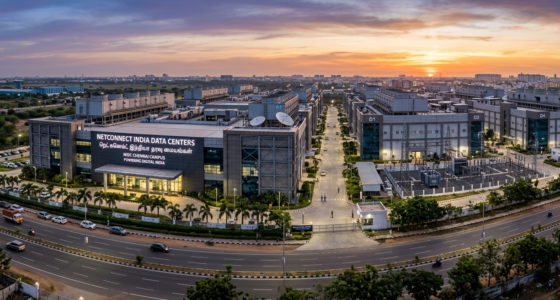
- Chennai: 162 GCCs (10%) – Rapidly growing innovation center
“India’s leading office markets continue to offer a compelling value proposition to GCCs, characterized by competitive costs, a highly skilled workforce, and a conducive business environment,” said Shrinivas Rao, FRICS, CEO, Vestian. “Our GCC Market Entry Index helps companies identify optimal locations aligned with their long-term goals.”
India’s dominance in the GCC landscape is not just about numbers — it reflects a larger shift in how the world’s corporations view India: not just as a cost center, but as a center of innovation, value creation, and future-ready talent.
Also Read: India’s Office Market Witnesses Strong Tenant Demand