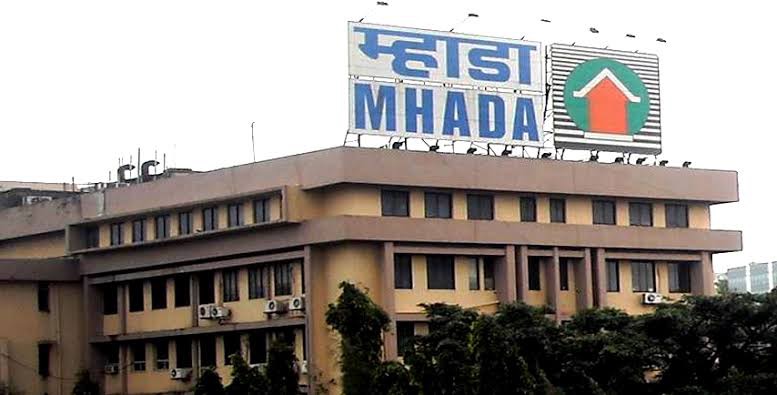
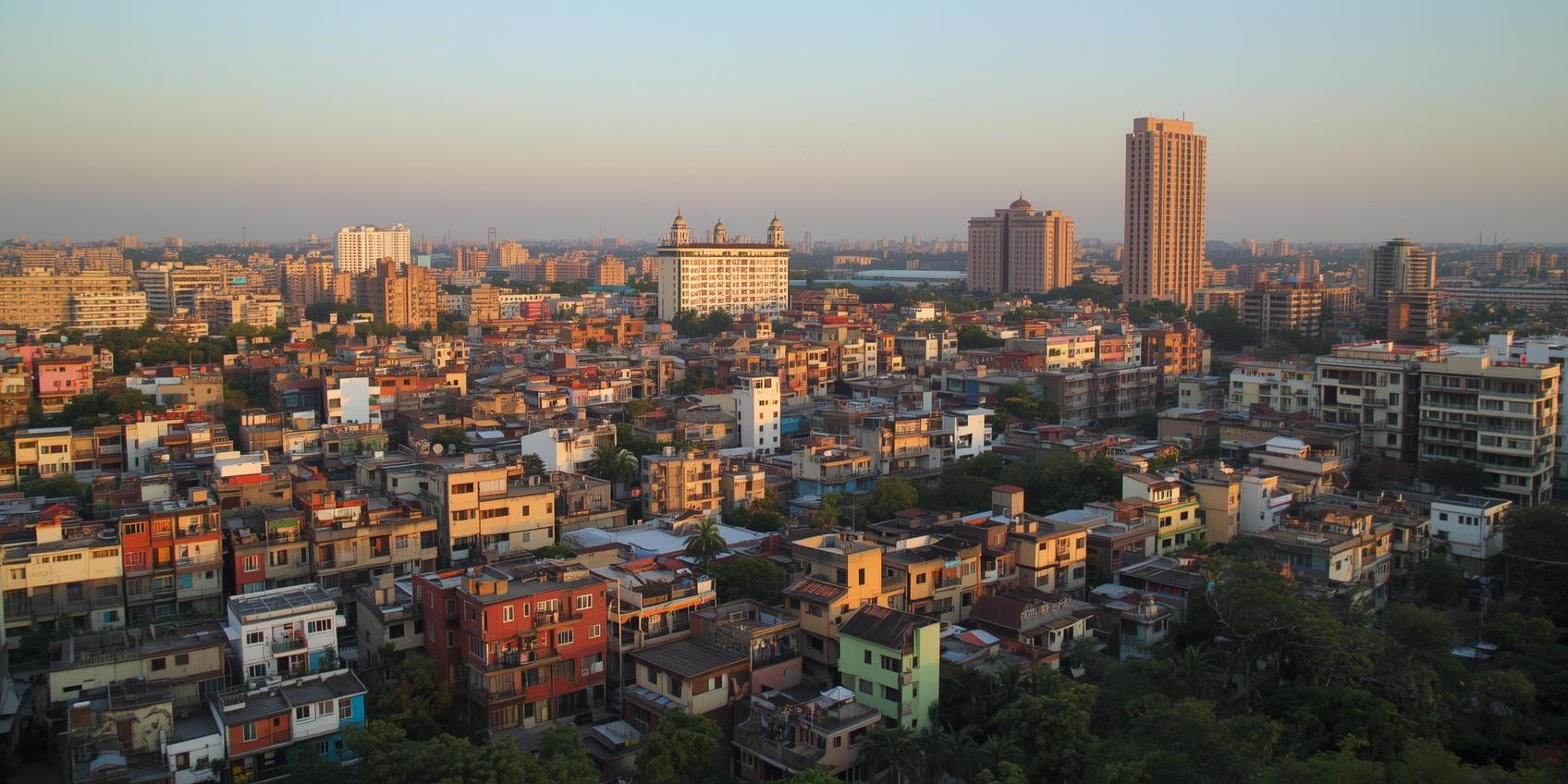
Mumbai’s real estate landscape is on the brink of a major transformation as the Maharashtra Housing and Area Development Authority (MHADA) moves ahead with its ambitious cluster redevelopment projects under the Construction & Development Agency (C&DA) model.
With technical bids now opened for three high-impact locations—Worli, Bandra Reclamation, and Andheri West—the participation of industry heavyweights like Adani Properties Private Limited, Lodha Developers Limited, and JSW Realty & Infrastructure Private Limited highlights the scale and seriousness of this redevelopment wave.
Why This Is a Big Deal for Mumbai
These aren’t just routine redevelopment projects—they are large-scale urban renewal missions covering nearly 200+ acres across prime Mumbai locations:
- Adarsh Nagar, Worli – 34.33 acres
- Bandra Reclamation – 98.27 acres
- SVP Nagar, Andheri West – 73.89 acres
Collectively, these projects are part of MHADA’s broader plan to redevelop 925 acres across 11 projects, impacting over 80,000 residents.
This marks a structural shift in how Mumbai redevelops old housing colonies—moving from fragmented society-level redevelopment to cluster-based, master-planned urban transformation.
How It Will Change Mumbai’s Real Estate Landscape
1. From Chaotic Growth to Planned Development
Cluster redevelopment allows entire neighborhoods to be redesigned, not just individual buildings. This means:
- Wider roads
- Better infrastructure
- Integrated open spaces
- Organized parking
2. Premium Locations, New Supply
Areas like Worli and Bandra are already high-value micro-markets. Redevelopment here will:
- Unlock fresh housing inventory in prime zones
- Potentially stabilize prices in the long term
- Increase redevelopment-driven supply instead of greenfield expansion
3. Entry of Large Developers
The presence of corporate developers ensures:
- Better execution capability
- Faster project completion
- Financial strength to handle large rehabilitation components
What Does a Common Mumbaikar Gain?
This is where the real impact lies.
🏠 1. Safer Homes
Thousands of families living in decades-old, dilapidated structures will move into:
- Structurally safe buildings
- Earthquake-resistant designs
- Modern construction quality
💰 2. Financial Security
Residents will benefit from:
- Transit rent compensation during redevelopment
- Corpus funds for future maintenance
- Significant increase in property value
🌆 3. Better Lifestyle
Expect a shift from cramped living to:
- Lifts, security systems, and amenities
- Open spaces and green areas
- Improved sanitation and utilities
🚗 4. Infrastructure Upgrade
Cluster redevelopment brings:
- Planned roads and traffic flow
- Dedicated parking
- Better drainage and civic systems
The Bigger Picture: Mumbai’s Urban Reset
Mumbai has long struggled with aging housing stock and unplanned density. MHADA’s C&DA model could become a template for large-scale urban renewal across the city.
If executed well, these projects will:
- Redefine Mumbai’s skyline
- Improve livability in core city areas
- Reduce pressure on suburban expansion
- Create a more sustainable and organized urban ecosystem
What Happens Next?
The process now moves to:
- Technical evaluation of bidders
- Opening of financial bids
- Final selection of developers
The developer offering the most competitive and viable proposal will take charge of transforming these massive clusters.