
In a move that could significantly impact Mumbai’s real estate and urban renewal landscape, CREDAI-MCHI hosted a knowledge seminar today to break down the implications of a landmark Bombay High Court ruling offering GST relief for redevelopment projects. The ruling, stemming from the case Shrinivasa Realcon Pvt. Ltd. vs. Deputy Commissioner, Anti-Evasion Branch, clarifies that GST is not applicable when no transfer of development rights (TDR) or Floor Space Index (FSI) occurs, thereby easing a major tax burden on housing societies and developers alike.
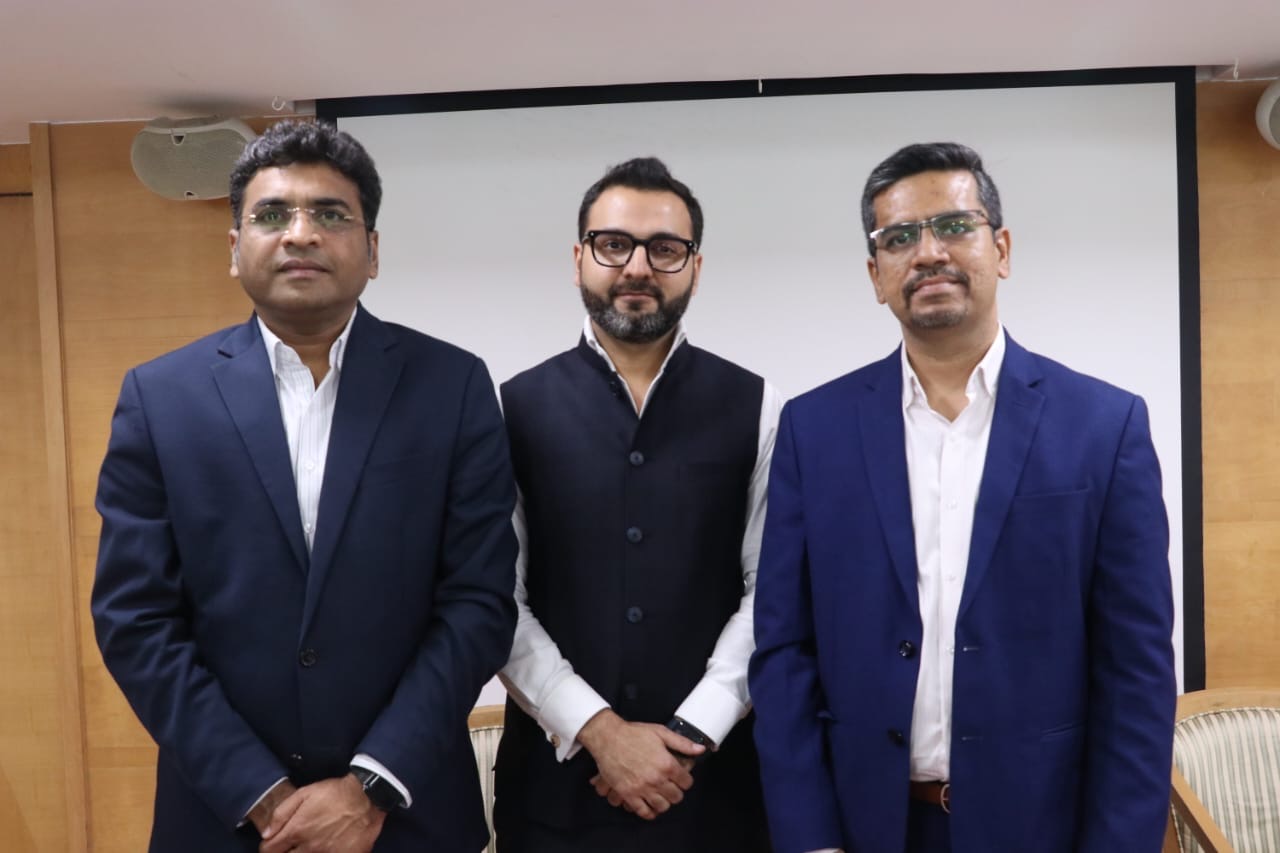
The seminar featured legal and industry experts including Sunny Bijlani, Joint Secretary of CREDAI-MCHI, and legal minds Rohit Jain and Harsh Shah from Economic Laws Practice (ELP). The panel discussed how the GST confusion has deterred redevelopment efforts, especially in a city like Mumbai where land is scarce and vertical development is essential.
Bijlani emphasized the high development costs in Mumbai—₹55,200 per sq. m. compared to just ₹1,800 in Pune and ₹5,500 in Delhi—as a major deterrent. “When you add layers of GST and regulatory ambiguity, projects simply don’t take off. Solving these issues isn’t just about helping developers—it’s about giving safer homes to thousands living in dangerous, dilapidated structures,” he said.
Harsh Shah clarified that while the Nagpur Bench’s ruling has been seen as a blanket GST exemption, it merely excluded reverse charge GST on development rights. “GST is still applicable, either on a forward or reverse charge basis, depending on the transaction. The misinterpretation has led to confusion, legal risk, and stalled projects,” he warned.
Rohit Jain highlighted how current GST layers—5% on sales, 18% on development rights, 5% on rehab units, and non-creditable GST on materials—are choking margins. “We’ve submitted detailed representations to the GST Council. Reclassifying development rights as immovable property is key to resolving the issue,” he added.
CREDAI-MCHI estimates that over 25,000 buildings in the Mumbai Metropolitan Region (MMR) are eligible for redevelopment, with potential project value exceeding ₹30,000 crore. Already, MHADA has started audits on 13,000 cessed buildings in South Mumbai, signaling urgency in reviving stalled or delayed projects.
The ruling is seen as a potential turning point for the city’s real estate sector, providing clarity on tax treatment and boosting confidence in undertaking redevelopment. CREDAI-MCHI also announced the second edition of its EODR Exhibition, which aims to showcase best practices and ease stakeholder challenges in redevelopment.
As Mumbai looks to modernize its aging building stock and provide housing for all, legal clarity on GST is being seen as one of the most effective tools to unlock urban renewal at scale.
Also Read: CREDAI MCHI Announces Palghar-Boisar Property Utsav 2025, Showcasing 3,000+ Properties