Godrej Properties Ltd. today announced that it has achieved sales worth INR 500 crore through the launch of its new project, Godrej Woodsville in Hinjewadi, Pune. The company, till date has sold 675+ homes accounting for an area of over 6.90 lakh square feet for the project launched in September 2022.
Mohit Malhotra, MD & CEO, Godrej Properties, said, “We are happy with the overwhelming response received for Godrej Woodsville. Pune has always been a key market for us and the consistent growth of our townships reflects the customer’s confidence and demand for controlled and gated environments in integrated sustainable facilities by reputed developers. We will do our best to deliver an outstanding project for all the residents of these projects.”
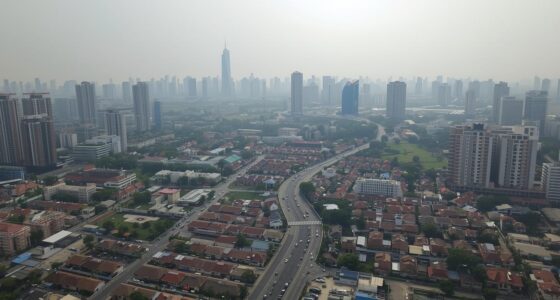
Godrej Woodsville is a residential project, located at Hinjewadi and is in close proximity to Mula Mutha River. The project is strategically located to provide easy connectivity to the IT and lifestyle hubs in Hinjewadi along with access to schools, hospitals, malls, restaurants and premium hotels.
Also Read: Godrej Properties declared the highest bidder for land parcels in Sector 146, NOIDA