
India’s brick-and-mortar retail sector recorded its strongest performance in three years, with gross retail leasing surging 54% year-on-year to 12.5 million sq. ft in 2025, according to the latest report by JLL. The sharp rebound marks a decisive turnaround after leasing volumes moderated in 2024, reaffirming retailer confidence amid resilient economic growth and rising discretionary consumption.
The momentum peaked in Q4 2025, which emerged as the best-performing quarter of the year, accounting for 3.6 million sq. ft of leasing activity across malls, high streets, and prime retail developments in India’s top seven cities.
Top cities dominate retail expansion
Retail expansion in 2025 was led by Delhi NCR, Bengaluru, and Hyderabad, which together accounted for a dominant 71% share of total leasing activity.
- Delhi NCR: 24% share
- Bengaluru: 24% share
- Hyderabad: 23% share
- Mumbai: 17% share
Other cities such as Kolkata (5%), Chennai (5%), and Pune (2%) recorded single-digit shares, constrained largely by limited new supply and muted brand entry.
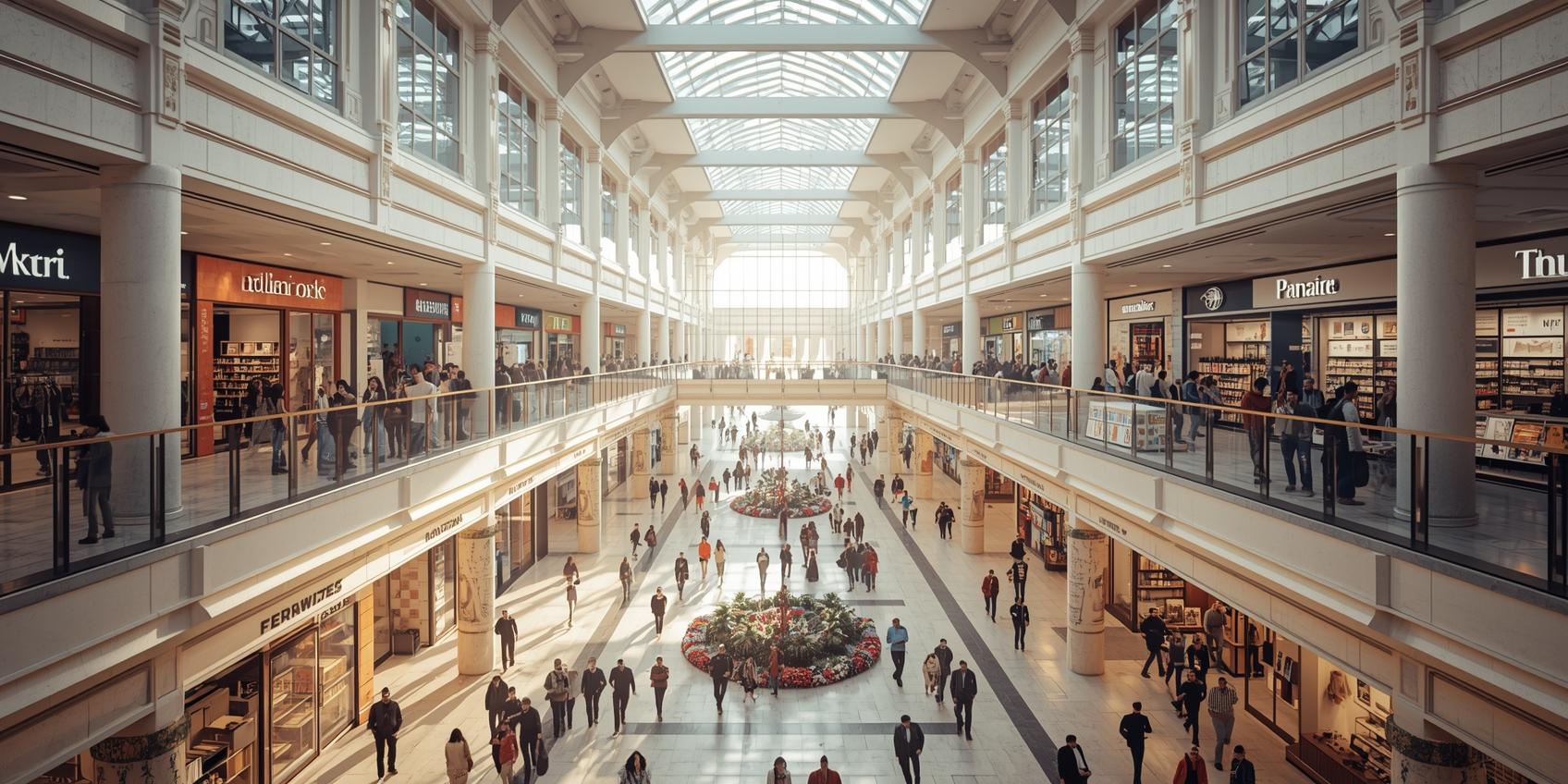
Shopping malls emerged as the preferred format in Delhi NCR and Hyderabad, while high streets continued to attract strong retailer interest in Bengaluru, reflecting city-specific consumption and location strategies.
Mall supply fuels leasing momentum
A key driver behind the leasing surge was the addition of 6.3 million sq. ft of new retail supply during the year. In 2025 alone, 15 shopping malls were launched across Delhi NCR, Hyderabad, and Mumbai, significantly expanding the availability of institutional-grade retail space.
As of end-2025, mall stock across the top seven cities stood at nearly 92 million sq. ft. Shopping malls accounted for 45% of total leasing activity, while high streets commanded a marginally higher 48% share, underlining continued demand for both organised and street retail formats.
Fashion and F&B anchor demand; D2C brands go aggressive
While fashion & apparel (34%) and food & beverage (20%) together contributed more than half of annual leasing, JLL noted a shift in category dynamics.
“Fashion and apparel’s share has moderated from 41% in 2023 to 34% in 2025, though it continues to lead on the back of strong domestic and D2C brand demand. F&B has emerged as a clear winner, increasing its share from 16% to 20% over the same period, redefining retail space requirements,” said Dr Samantak Das, Chief Economist and Head of Research & REIS, India, JLL.
A standout trend in 2025 was the aggressive offline expansion by direct-to-consumer (D2C) brands, which leased 0.9 million sq. ft, registering 48% annual growth. Categories such as fashion, jewellery, beauty, cosmetics, and wellness drove this expansion as digital-native brands doubled down on physical retail for brand visibility and customer engagement.
Domestic brands lead, foreign players accelerate entry
Domestic retailers remained the backbone of India’s retail leasing story, accounting for 82% of total leasing activity in 2025. Leasing by Indian brands crossed 10 million sq. ft, up sharply from 6.5 million sq. ft in 2024, with demand spread across both malls and high streets for large-format stores.
At the same time, foreign brands recorded a 36% year-on-year increase in leasing activity. As many as 29 new international brands entered India in 2025, the highest in the last five years. Notable entrants included Bershka, Nespresso, COS, Lego, and NEXT.
“The structural strength of India’s retail sector and rising brand awareness will continue to attract global players in the coming years,” said Rahul Arora, Head – Office Leasing & Retail Services, Senior Managing Director (Karnataka & Kerala), India, JLL.
Structural shift sets stage for next growth cycle
JLL noted that the retail leasing boom reflects a structural transformation rather than a cyclical spike, driven by a growing preference for organised retail, premium infrastructure, and professional mall management.
Currently, superior-quality mall stock—defined as institutionally owned or premium single-ownership assets—accounts for around 40 million sq. ft, or 44% of total mall inventory across the top seven cities. Looking ahead, over 47 million sq. ft of new mall supply is under various stages of construction and expected to become operational by 2030, of which 20 million sq. ft (43%) will be superior-quality space.
With evolving consumer preferences, developers are increasingly integrating technology, hospitality, experiential retail, and ESG considerations into new developments to future-proof assets.
Over the past five years, India’s retail sector has attracted USD 2.3 billion in institutional investments, and JLL expects future-ready retail assets to continue drawing global capital as consumption and premiumisation trends accelerate.
Also Read: Best ever office leasing performance