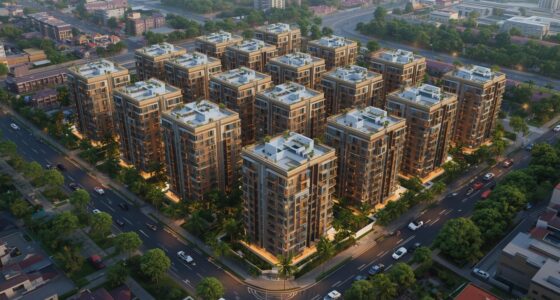

India’s senior living housing sector is poised for significant growth, with the market expected to expand by over 300% by 2030, reaching an estimated USD 7.7 billion (INR 64,500 crore), according to a new report from JLL and the Association of Senior Living India (ASLI). This surge is driven by India’s rapidly aging population, which is projected to more than double from 156.7 million seniors in 2024 to 346 million by 2050, making it the world’s second-largest elderly population.
The report, launched ahead of the 5th ASLI Ageing Fest in Bangalore on December 6, highlights the vast potential for growth in India’s senior care industry, often referred to as the “Silver Economy.” Despite the large senior population, India’s senior living market currently has just a 1.3% penetration rate, far lower than in mature markets like the United States and Australia, where penetration exceeds 6%. This indicates a significant untapped opportunity for developers and investors.
By 2030, the target market for senior living facilities is projected to grow from 1.57 million households in 2024 to 2.3 million, as demand for independent and assisted living communities increases. As awareness and acceptance of senior living solutions rise, this market is expected to see a compound annual growth rate (CAGR) of approximately 27%, according to the JLL-ASLI report.
India’s senior care sector has evolved in recent years, with more than 20,000 senior living units now established across the country. Southern India, in particular, has emerged as the epicenter of this growth, commanding 60% of the national market share. This region is seeing accelerated population aging due to lower fertility rates and a high proportion of Non-Resident Indian (NRI) families, making it a fertile ground for senior living solutions.
The report also sheds light on the growing need for specialized senior housing options that cater to the diverse needs of the elderly, from independent living communities to memory care facilities. Wellness and healthcare integration with housing solutions is becoming a priority, as nearly 5% of India’s elderly population currently has access to institutional care, and less than 0.7 hospital beds per 1,000 elderly people are available.
“The focus must now shift to providing comprehensive, inclusive, and accessible senior care solutions that integrate wellness, healthcare, and community support. This will ensure that India can meet the needs of its aging population and improve their quality of life in their later years,” said Rajit Mehta, Chairman of ASLI and MD & CEO of Antara Senior Care.
The report also draws attention to the growing trend of seniors living alone or with non-family members. The Longitudinal Ageing Study of India (LASI) shows that 26.7% of urban elderly live alone or with non-children family members, highlighting the increasing demand for independent senior living solutions that foster autonomy and social interaction.
According to Dr. Samantak Das, Chief Economist at JLL India, the market for senior living in India presents “an unprecedented opportunity” for developers, investors, and policymakers. “With India’s senior population set to surpass 300 million by 2050, the demand for senior living solutions will increase exponentially. This sector’s potential for long-term growth is immense, and we anticipate market penetration to rise from 1.3% to 2.5% by 2030, a jump that still won’t fully meet the demand.”
The 5th ASLI Ageing Fest will provide a platform for industry leaders to discuss the future of senior care in India, explore investment opportunities, and examine the evolving needs of the elderly population. As the country navigates this demographic shift, the senior living sector is set to play a crucial role in addressing the challenges posed by an aging population while creating sustainable, profitable opportunities for growth.
As India’s senior living market continues to expand, the focus will be on creating diverse, high-quality housing options that cater to seniors’ evolving needs, ensuring that they can age with dignity, independence, and a sense of community.
Also Read: Indian Senior Living Sector Poised for Substantial Growth