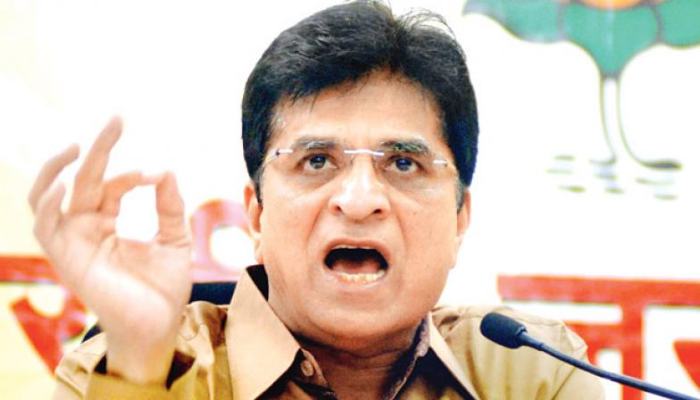
The controversy over alleged irregular occupation of MHADA flats meant for economically weaker sections (EWS) and low-income groups (LIG) in Mumbai’s Antop Hill has moved to the government level, with BJP leader Kirit Somaiya demanding an investigation into 110 flats that he claims have been taken over through proxy arrangements involving Bangladeshi nationals.
Somaiya has alleged that some flats in the Noorabazar MHADA housing complex were originally allotted in the names of eligible beneficiaries, but are now occupied or controlled by other individuals through Power of Attorney arrangements. He has also raised allegations of benami transactions, encroachment, intimidation and possible involvement of MHADA officials and agents.
The claims have triggered scrutiny of the original allotments and present occupants. However, the allegation that the people concerned are Bangladeshi nationals has not been established by an official finding. The distinction is important: whether a flat has been transferred or occupied in violation of MHADA rules is one question; the nationality or immigration status of its occupant is another.
What exactly has Somaiya alleged?
The allegations concern flats in the Noorabazar area of Antop Hill, including units in Swapnapurti Co-operative Housing Society. Somaiya’s central claim is that flats allotted through the MHADA lottery to EWS and LIG beneficiaries were subsequently placed under the control of other individuals through Power of Attorney arrangements.
According to the complaint details reported publicly, applications and allotments were allegedly made in the names of Hindu beneficiaries, while other people later became the occupants or effective beneficiaries. Somaiya has described this as a proxy or benami arrangement and alleged that the process may have involved intermediaries and officials.
He cited several examples, including:
- A flat allotted in the name of Avinash Ravidhone, which Somaiya alleged was occupied by Mansoori Juned Mohd.
- Flats associated with Ramesh Ghatal, Shyam Rautekar, Manoj Khambe and Shyam Gaikwad, among others.
- Other original allottees named in his complaint included Nirmala Barve, Vinayak Kumbhar, Devidas Mane, Kanhaiya Prasad, Indubai Pawar and Balu Kadu.
The names of alleged occupants were also identified in the complaint and subsequent reporting. These are allegations against identifiable individuals, not findings of wrongdoing. The relevant allotment records, Power of Attorney documents and the occupants’ explanations need to be examined before the claims can be treated as established.
Why are two different numbers — 110 and 41 — being mentioned?
There is an important distinction in the figures being reported.
Somaiya’s broader allegation refers to 110 MHADA flats in Antop Hill. However, his complaint and the reports about Swapnapurti Society specifically refer to 41 units allegedly occupied by people other than the original beneficiaries.
The 41-unit figure appears to relate to a specific society or group of flats, while 110 is the wider number cited in his allegation. The available reports do not provide a flat-by-flat breakdown reconciling the two figures. It would therefore be inaccurate to report that all 110 flats have been independently verified as illegally occupied.
Residents had raised complaints beyond ownership
Somaiya’s complaint followed a meeting with more than 50 residents of the Noorabazar MHADA housing complex at his office in Neelam Nagar, Mulund East.
According to the complaint, residents raised concerns about encroachment, alleged illegal occupation, physical assaults, intimidation, proxy transactions and hooliganism. Somaiya asked MHADA to investigate these grievances and examine whether officials or agents had facilitated irregular transfers or occupation.
He also alleged that the problem extended to the nearby Bengalipura area. These wider complaints should be investigated separately from the question of who is legally entitled to occupy the MHADA flats.
MHADA begins checking allotment and occupancy records
The allegations have prompted MHADA to examine the original allotments and the present occupancy of the flats.
MHADA chief executive Milind Borikar has said that officials are checking who originally received the flats, who currently owns or occupies them, and what documents support the arrangements. The verification includes scrutiny of Power of Attorney documents and other records relating to ownership and occupancy.
Somaiya had also said that MHADA Vice-President Sanjeev Jaiswal had taken note of his complaint and assured him that the matter would be investigated. Pudhari News+2
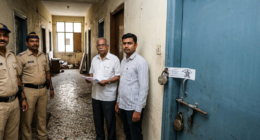
Somaiya had announced a visit to the housing complex on November 14 to inspect the situation. Reports of the subsequent inspection describe officials checking documents and examining the occupants’ claims. The exercise is significant because it moves the matter beyond competing allegations and towards verification of the housing authority’s own records.
Residents reject allegations about their nationality
An important development in the controversy is that some residents have rejected the allegation that they are Bangladeshi nationals.
In a television report from the housing complex, residents said they had documents to establish their identities and claimed to have submitted the relevant paperwork to the authorities. One resident referred to his family’s origins in Maharashtra, while another said that the family was occupying the flat on rent and had undergone police verification.
These statements are not a substitute for official verification, just as Somaiya’s allegations are not proof of foreign nationality. The authorities will have to examine identity documents and, wherever necessary, follow the legally prescribed process to establish a person’s citizenship or immigration status.
The inquiry must also distinguish between a person who is occupying a flat without the required permission and a person whose nationality is being questioned. These are separate legal issues and cannot be established merely through the identity of an allottee or the name of an occupant.
Maharashtra government schedules a meeting on November 17
The issue has also reached the state government. Maharashtra Minister of State for Home Pankaj Bhoyar has acknowledged receiving Somaiya’s complaint and said that a meeting to discuss the investigation was scheduled for November 17.
The meeting is expected to bring the complaint and the ongoing verification exercise before the concerned authorities. The available information does not, however, establish that the government has already concluded that the occupants are Bangladeshi nationals or that the alleged illegal transfers have been proved.
The distinction between an investigation being ordered or discussed and its findings being established is important. As of November 17, the publicly reported position is that document verification is underway and a government-level meeting has been scheduled.
What MHADA will need to establish
The controversy raises questions about the safeguards governing the allotment and subsequent occupation of affordable housing. MHADA will need to establish more than simply who is living in each flat today.
A proper inquiry would need to examine:
- Original allotment records: Whether the flats were allotted through the prescribed lottery process and whether the named beneficiaries met the eligibility conditions.
- Actual possession: Whether the original allottees took possession and whether they continue to occupy the flats.
- Power of Attorney documents: Whether the documents cited in the allegations are genuine, what authority they confer and whether they have been used to facilitate arrangements that violate MHADA rules.
- Transfers and financial transactions: Whether any sale, transfer, tenancy or payment arrangement took place, and whether the necessary permissions were obtained.
- Identity and eligibility: Whether the current occupants meet the applicable legal requirements. Any allegation concerning foreign nationality must be verified through the appropriate authorities and due process.
- Possible official involvement: Whether MHADA employees, agents or intermediaries facilitated any irregular allotment, transfer or occupation.
The investigation will also have to establish whether the alleged violations concern individual flats or point to a wider failure in the monitoring of the housing complex.
Why the case matters for MHADA’s affordable housing beneficiaries
MHADA housing is intended to provide homes to eligible sections of society who may otherwise find it difficult to afford accommodation in Mumbai’s property market. The EWS and LIG categories are particularly important because access to affordable housing in the city remains a major challenge.
If flats allotted to eligible beneficiaries are subsequently transferred or occupied through unauthorised arrangements, the consequences go beyond a dispute between an allottee and an occupant. It raises questions about whether the intended beneficiaries actually received the benefit of the scheme and whether the authority has adequate systems to monitor its housing stock after possession is handed over.
At the same time, the rights of current occupants cannot be disregarded merely because allegations have been made against them. Any action to recover possession, cancel an allotment or initiate criminal proceedings must be supported by evidence and follow the applicable legal procedure.
The Antop Hill case therefore has two important dimensions: protecting the integrity of MHADA’s affordable housing allotment process and ensuring that allegations against residents are investigated fairly.
The investigation, not the allegation, will establish the facts
Somaiya has made serious allegations involving 110 flats, Power of Attorney arrangements, alleged benami beneficiaries and possible collusion by officials. The specific claim concerning 41 flats in Swapnapurti Society has added urgency to the demand for an inquiry.
However, the allegations of Bangladeshi nationality remain unverified in the publicly available information. Residents have disputed those claims, while MHADA’s document verification is still underway.
The key outcome to watch will be whether MHADA can publish or communicate clear findings on the original allottees, current occupants, validity of the documents and compliance with its transfer and occupancy rules. If irregularities are established, the authority will have to identify the responsible parties and take action in accordance with the law.
For thousands of families seeking affordable homes in Mumbai, the larger question is whether public housing benefits are reaching the people for whom they were intended.