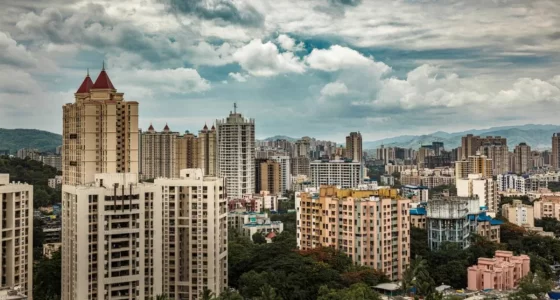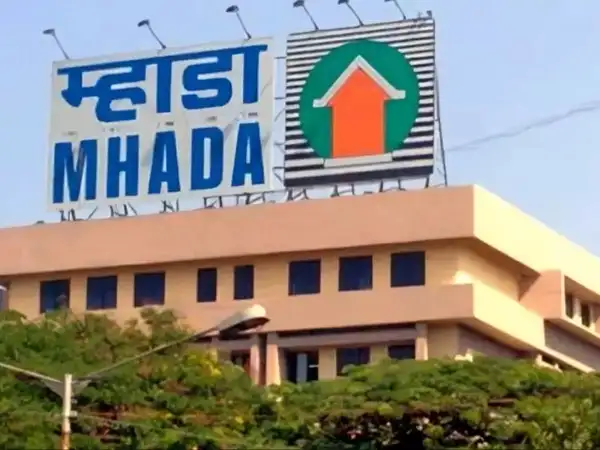

In a landmark decision aimed at revitalizing Mumbai’s affordable housing landscape, the Maharashtra state cabinet, chaired by Chief Minister Devendra Fadnavis, approved a comprehensive policy on Tuesday for the integrated redevelopment of Maharashtra Housing and Area Development Authority (MHADA) projects spanning 20 acres or more in Mumbai and its suburbs. The move, announced following a high-level cabinet meeting, targets the replacement of dilapidated structures with modern, resident-centric townships, addressing decades of neglect in these vital low- and middle-income habitats.
The policy comes at a critical juncture, as Mumbai grapples with a severe housing crunch and crumbling infrastructure in post-independence era colonies. Officials hailed the approval as a “game-changer” that could unlock thousands of new affordable units while fostering holistic urban renewal.
Tackling Dilapidated Legacy: The Need for Urgent Redevelopment
MHADA’s Mumbai Board constructed 56 housing colonies between 1950 and 1960, primarily for Middle Income Group (MIG) and Lower Income Group (LIG) families. These developments, now home to around 5,000 cooperative housing societies, have suffered from structural deterioration over the years. Many buildings exhibit signs of distress, including weakened foundations, outdated wiring, and inadequate drainage systems, posing safety risks to residents.
According to government data, the colonies cover extensive areas in central and suburban Mumbai, with some layouts showing severe wear due to environmental factors and heavy usage. “The time for patchwork repairs is over,” said a senior housing official involved in the deliberations. “This policy mandates a full-scale overhaul to ensure these communities thrive for generations.”
The decision was chaired by Fadnavis, who emphasized the cabinet’s commitment to equitable urban growth. The meeting, attended by key ministers including Housing Minister Eknath Shinde, focused on balancing resident welfare with developmental feasibility.
Key Features: Modern Amenities and Sustainable Design
Under the new framework, redevelopment will prioritize cluster-based projects, transforming entire layouts into self-sustained modern townships. New buildings will feature elevated floors, spacious parking, lush gardens, community gyms, and swimming pools, alongside robust security measures and essential infrastructure like water treatment plants, sewage systems, and upgraded electricity grids.
Environmental sustainability is at the core: Roads and open spaces will be graded using eco-friendly materials, promoting green energy and waste management. Social amenities will include schools, healthcare centers, and commercial spaces to enhance accessibility for residents. “This isn’t just about housing—it’s about building vibrant, inclusive neighborhoods,” Fadnavis stated in a post-meeting briefing.
The policy also streamlines approvals, with MHADA set to oversee 114 identified layouts. While resident consent remains non-mandatory for large-scale works, the framework secures safeguards against displacement, ensuring original allottees receive free-of-cost accommodations in the revamped structures.
Governance Overhaul: Empowering Oversight and Compliance
To ensure smooth execution, the cabinet has established an empowered committee under the Additional Chief Secretary of the Housing Department. This body will monitor technical, administrative, and legal challenges, fast-tracking permissions and enforcing design standards. “We’ve addressed bottlenecks that stalled previous projects,” an official noted, pointing to advisory roles for special committees in quality assurance.
Amendments to the Maharashtra Public Trusts Act, 1950, further empower MHADA’s planning authority, overriding select provisions to expedite cluster developments. The policy aligns with broader state goals, including the 2025 Housing Policy’s target of 35 lakh affordable homes by 2030, and draws from Supreme Court rulings on stalled redevelopments.
Critics, however, urge vigilance on timelines, citing past delays in similar initiatives like Bandra Reclamation. Resident groups have welcomed the move but called for transparent grievance mechanisms.
Broader Impact: Transforming Mumbai’s Urban Fabric
This approval is expected to catalyze a surge in affordable housing stock, potentially generating over 25,000 units in the Mumbai Metropolitan Region (MMR) with a projected value exceeding ₹30,000 crore. By integrating slum rehabilitation and self-redevelopment models, it aligns with national visions like NITI Aayog’s G-Hub recommendations.
Experts view it as a model for other cities, demonstrating community-driven planning on a massive scale. As one urban planner remarked, “Mumbai’s MHADA colonies are the city’s unsung backbone—this redevelopment breathes new life into them.”
The initiative underscores the Fadnavis government’s focus on legacy infrastructure, promising safer, greener living for lakhs of families while boosting economic activity through construction and ancillary services.
Also Read: MHADA to Build 8 Lakh Homes in 5 Years Under Affordable Housing Plan