In a landmark move set to revolutionize Mumbai’s real estate landscape, Deputy Chief Minister Eknath Shinde announced a dedicated regulatory framework for the redevelopment of pagdi chawls during the Maharashtra Legislative Assembly session. This policy aims to “free Mumbai from the pagdi system,” ensuring fair redevelopment for over 19,000 pre-1960 cessed buildings, while protecting the rights of both tenants and landlords.
Shinde, who holds the urban development and housing portfolios, highlighted that while some pagdi buildings have been redeveloped, many have deteriorated or collapsed, leaving nearly 13,000 structures in dire need of reconstruction. “The redevelopment of pagdi chawls has seen poor response due to legal disputes and structural complexities. Landlords often complain they don’t get fair compensation because of tenants’ extensive rights under the Maharashtra Rent Control Act,” Shinde said.
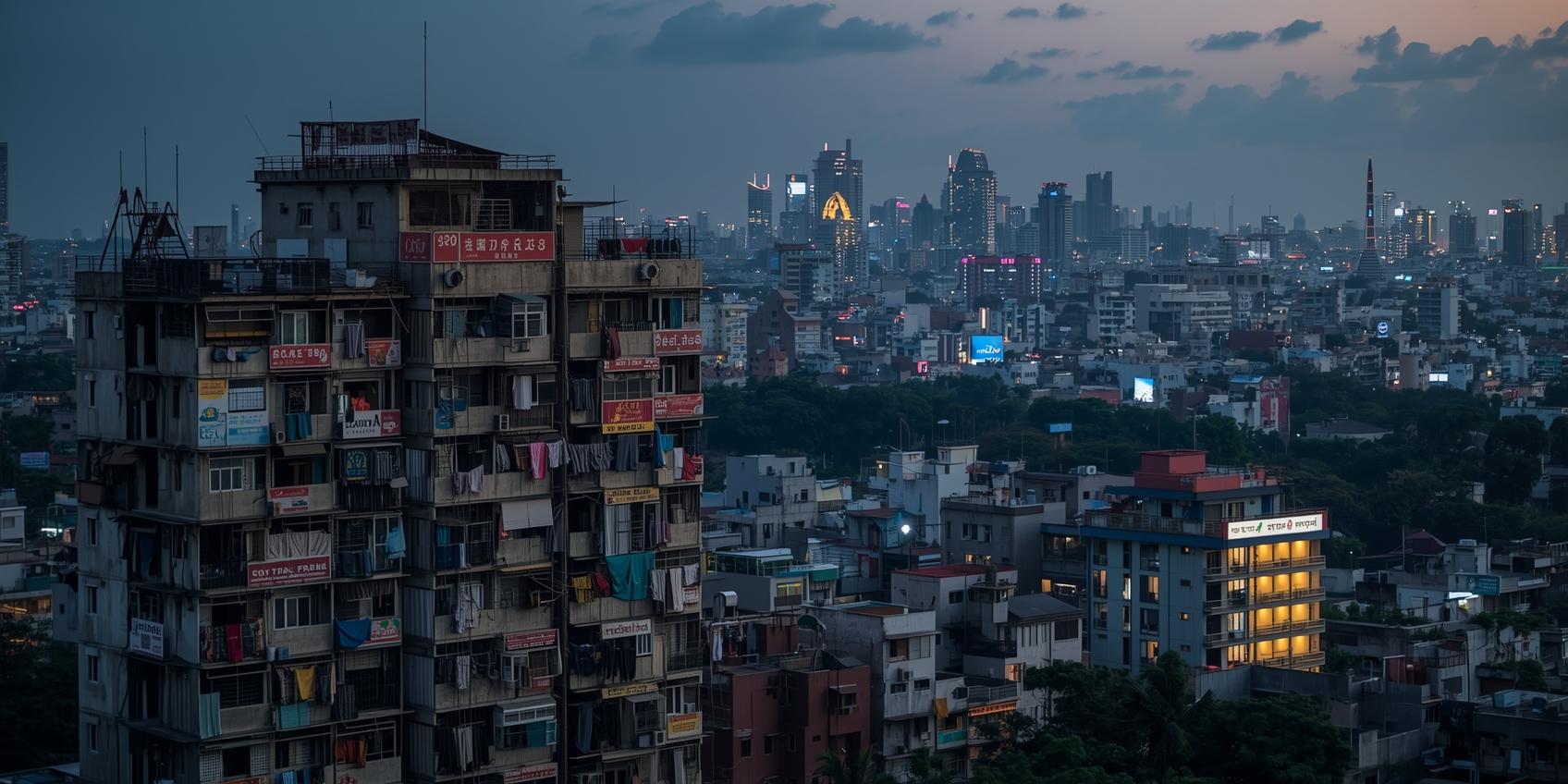
The new policy addresses these pain points head-on, paving the way for safer, modern housing and unlocking prime real estate potential in congested areas like South Mumbai and Dadar. Key features include:
- Balanced FSI Allocation: Tenants will receive Floor Space Index (FSI) equal to their current occupied area, landlords get FSI based on land ownership, and economically weaker pagdi holders will get incentive FSI for cost-free reconstruction.
- TDR Flexibility: If height restrictions or other limits prevent full FSI utilization, the balance will be provided as Transferable Development Rights (TDR), making projects more viable for developers.
- Fast-Track Dispute Resolution: With over 28,000 pending cases between tenants and landlords in small-cause courts, the government will seek High Court approval to establish additional fast-track courts, aiming to resolve all disputes within three years.
- Ownership for Residents: Once redeveloped, lakhs of pagdi tenants will transition to ownership-based homes, ending decades of uncertainty and boosting property values.
This initiative builds on existing options like Regulations 33(7) and 33(9) but offers a fresh alternative for stalled projects. Shinde emphasized that the policy will prevent building collapses, save lives, and provide a much-needed push to Mumbai’s housing market. “This will finally give lakhs of Mumbai residents living in pagdi chawls ownership homes while ensuring fair outcomes for all stakeholders,” he added.
Real estate experts are optimistic, predicting a surge in redevelopment activity that could transform dilapidated chawls into high-rise complexes with better amenities. The government plans to notify the new rules soon, with implementation expected to begin in early 2026. Developers and residents are advised to monitor updates from the Urban Development Department for guidelines on applying.
As Mumbai gears up for BMC elections, this announcement underscores the Mahayuti government’s focus on affordable housing and urban renewal. Stay tuned to our website for more updates on Mumbai real estate policies and redevelopment opportunities.
Also Read: Maharashtra Govt Fast-Tracks Redevelopment of Buildings on Mumbai’s Mill Lands