
The Government of Maharashtra has approved key amendments to its Tourism Policy 2024, revising definitions of “Hotel” and “Bed & Breakfast / Homestays / Vacation Rental Homes” to simplify compliance and promote tourism-related investments.
The changes were notified through a Government Resolution (GR) issued by the Tourism Department on June 3, 2026. The move follows recommendations under the Centre’s deregulation initiative and a high-level review meeting chaired by the Chief Secretary in March 2026.
Key Change: Hotel Definition Simplified
One of the major changes is the relaxation in the definition of “Hotel” projects.
Earlier, hotel projects were required to:
- Match 1 to 5-star category standards
- Obtain mandatory star classification certification
- Comply with multiple certification requirements including sustainability ratings
Under the revised definition:
- Hotels must still follow standards prescribed by the Ministry of Tourism, Government of India
- A minimum of 10 lettable rooms with attached bathrooms remains mandatory
- However, star category certification is no longer mandatory
This effectively reduces entry barriers for hotel developers, particularly in emerging tourism destinations.
Additionally, privately owned forts and palaces can continue to be converted into heritage hotels under the policy.
Major Relief for Homestays and B&B Units
The government has also simplified the definition of:
- Bed & Breakfast units
- Homestays
- Vacation Rental Homes
Earlier, these units were required to:
- Follow detailed guidelines under the Ministry of Tourism’s Bed & Breakfast scheme
- Be registered with the Directorate of Tourism
Under the revised definition:
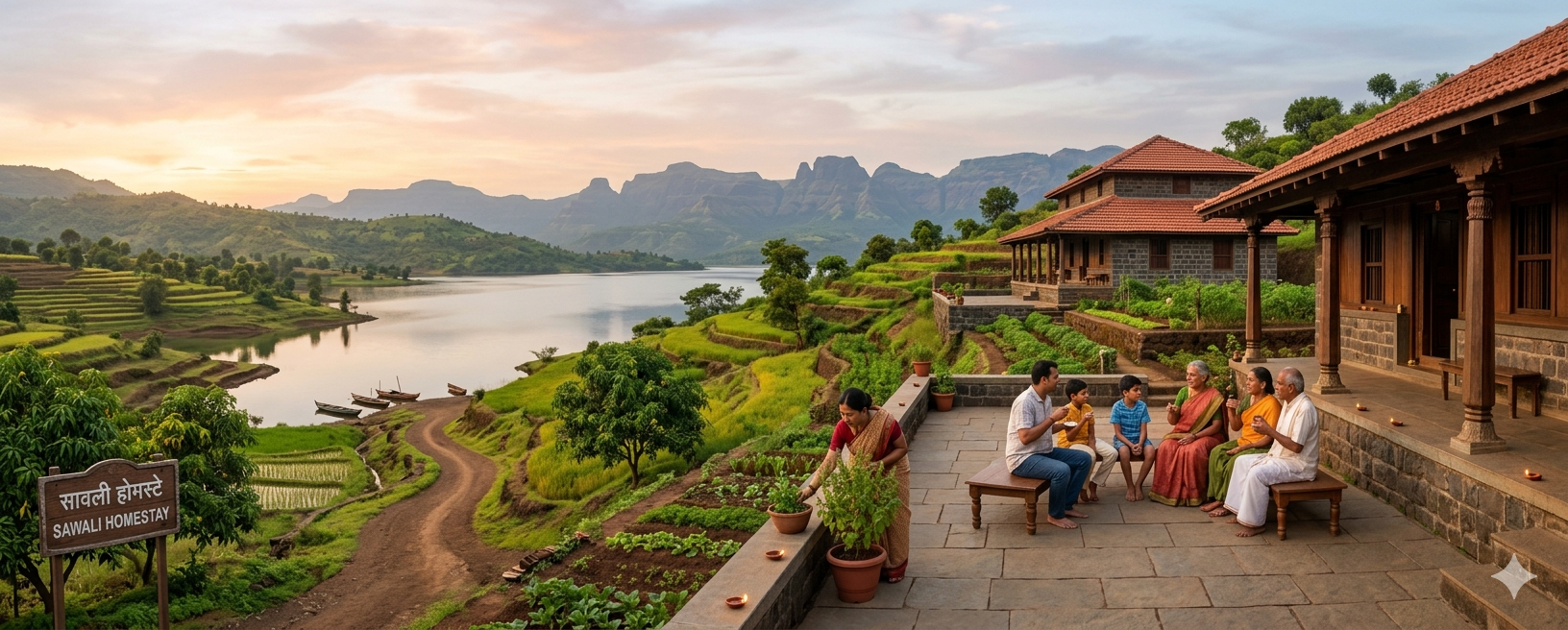
- These are now defined broadly as accommodation units within a residential setting where tourists are hosted
- Only one lettable room is required as minimum
- Registration is now optional, allowing flexibility for operators
The change is expected to encourage small property owners to participate in the tourism economy without complex compliance requirements.
Policy Context and Objective
The amendments are part of Maharashtra’s efforts to align with the Government of India’s deregulation and ease-of-doing-business initiatives under compliance reduction measures.
The Tourism Policy 2024, originally issued in July 2024, aims to:
- Boost tourism infrastructure
- Promote private sector participation
- Enhance accommodation capacity across categories
The latest changes specifically target easing regulatory burdens in the hospitality sector, especially for small-scale operators such as homestays and vacation rentals.
Implementation
The revised definitions will apply wherever “Hotel” and “Bed & Breakfast / Homestays / Vacation Rental Homes” are mentioned in the Tourism Policy 2024.
The resolution has been issued by the Tourism and Cultural Affairs Department and is effective immediately.
The updated policy framework is expected to support diversified accommodation formats and improve tourism offerings across urban, rural, and heritage destinations in Maharashtra.