
The Maharashtra Housing Department has released a total of ₹456.69 crore under the Pradhan Mantri Awas Yojana (Urban) 2.0 for the Beneficiary Led Construction (BLC) component. The funds were sanctioned through three separate Government Resolutions issued on June 5, 2026, covering General, Scheduled Caste (SC), and Scheduled Tribe (ST) categories.
According to the orders, the state has released the remaining balance from the central government’s “Mother Sanction” of April 16, 2026. This amount will be used exclusively for the first installment of already approved houses under the BLC vertical.
Category-wise breakup of funds:
- General Category (Other than SC/ST): ₹397.48 crore (Central share: ₹238.49 crore + State share: ₹158.99 crore)
- Scheduled Caste (SC) Component: ₹38.05 crore (Central share: ₹22.83 crore + State share: ₹15.22 crore)
- Scheduled Tribe (ST) Component: ₹21.16 crore (Central share: ₹12.70 crore + State share: ₹8.46 crore)
The funds have been allocated under different budget heads — Q-3 for General category, N-3 for SC, and T-5 for ST — ensuring proper accounting and targeted utilisation.
These Government Resolutions (GRs) come after accounting for previous releases and expenditure incurred up to March 31, 2026. The money will now be transferred to implementation agencies through the SNA-SPARSH system and will be made available on the SNAP Portal once integration with the Unified Web Portal is complete.
Impact on Beneficiaries
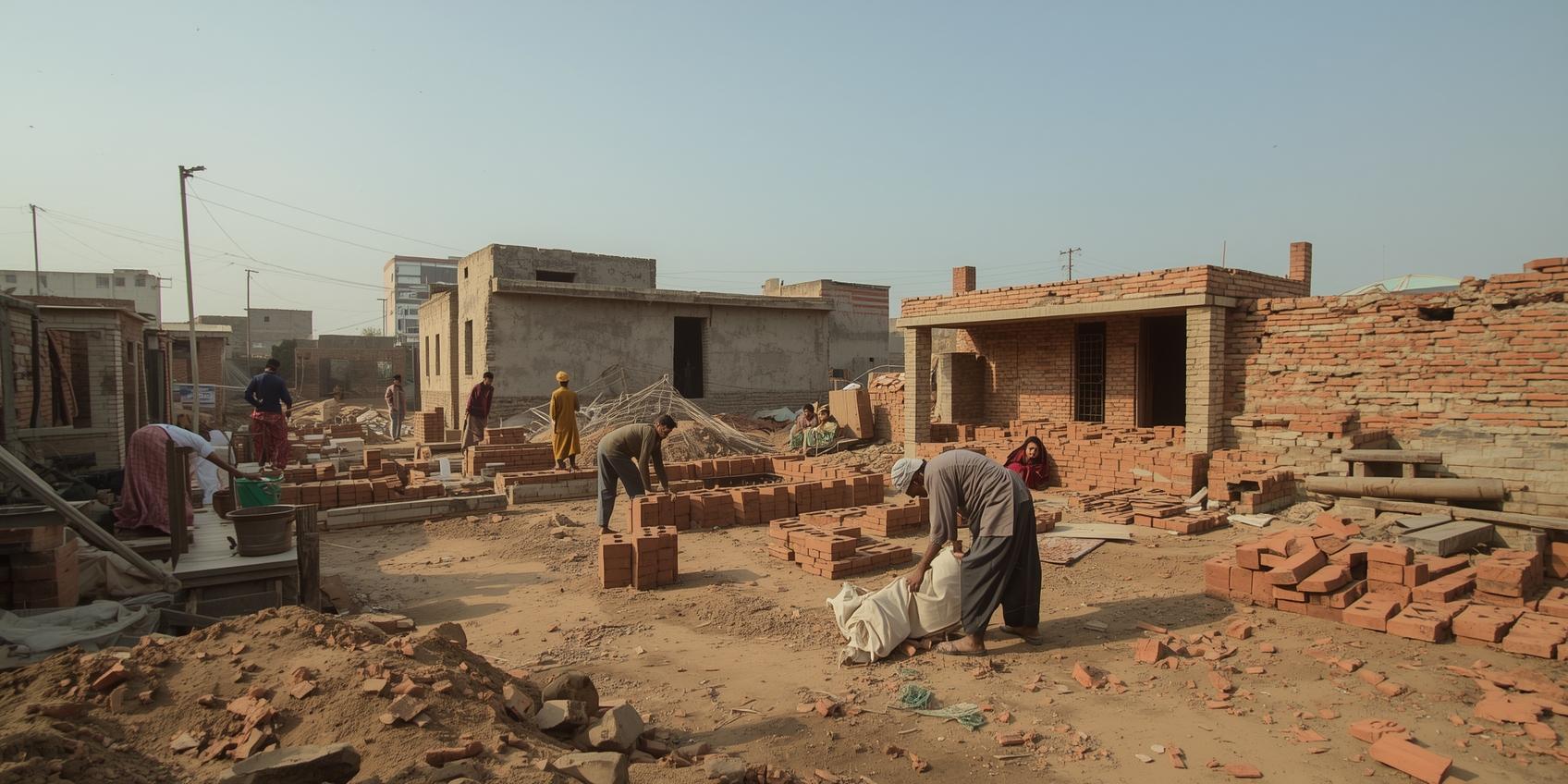
This release is expected to significantly benefit approved PMAY-U 2.0 beneficiaries across Maharashtra, particularly those in smaller cities, municipalities, and town panchayats. Since the funds are meant only for the first installment, approved beneficiaries can now receive the initial tranche of money without further delay and begin construction of their houses on their own land.
For General category beneficiaries, the large allocation of nearly ₹397 crore will support a substantial number of houses in districts such as Ahilyanagar, Akola, Amravati, and Beed. Dedicated funds for SC and ST categories ensure focused support for marginalised communities, helping reduce housing inequality.
Officials said that the move will accelerate the pace of house construction under PMAY-U 2.0 and help the state move closer to achieving saturation of sanctioned houses. However, the GRs have clearly stated that this money cannot be used for second or third installments.
Each GR includes a detailed district-wise and city-wise appendix showing the number of houses, allocated funds, expenditure so far, and unspent balance for that particular category.
The Drawing and Disbursing Officer for all three releases is the Deputy Secretary and Joint Chief Officer of the State-level Project Management Unit (PMU) under the Housing Department.
This latest fund release reflects the state government’s continued push to fast-track affordable housing projects under PMAY-U 2.0 by ensuring timely flow of central and matching state share to the grassroots level.
Also Read: PM to handover largest PMAY Project comprising of 30k Homes