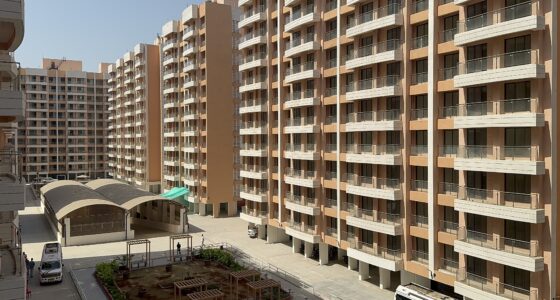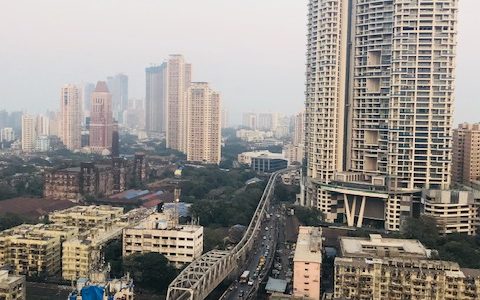

The Mumbai Metropolitan Region (MMR) residential market delivered a mixed performance in the second quarter of 2026. While developers aggressively pushed new supply with a 23% year-on-year jump in launches, homebuyer absorption softened by 8%, leading to a rise in available inventory. Mumbai continued to dominate the region, contributing 65% of new launches and over 70% of sales, according to ANAROCK Research’s latest quarterly report.
MMR witnessed 34,555 residential units launched in Q2 2026, up significantly from 28,160 units in Q2 2025. However, actual sales declined to 28,710 units from 31,280 units a year earlier. Total unsold inventory across the region climbed 9% year-on-year to 1,92,285 units by the end of June 2026, signalling that supply is currently outpacing demand.
Mumbai Remains the Clear Anchor
Mumbai city once again proved to be the powerhouse of the MMR market. It accounted for 65% of total launches with 22,360 units introduced in the quarter. Sales in Mumbai stood at 20,210 units, representing over 70% of regional absorption despite an 8% decline from the previous year. The island city also holds approximately 74% of total available inventory with around 1,42,620 units ready for buyers.
Anuj Puri, Chairman of ANAROCK Group, commented: “Despite softer sales, Mumbai continued to command 65% of total supply, and over 70% of total absorption. Total launches across MMR rose 23% annually to 34,555 units, led by Mumbai’s 22,360 units and a standout 54% jump in Navi Mumbai to 8,530 units. Thane also recorded healthy launch growth of 26% to 3,665 units, showing that supply expansion was broad-based rather than concentrated in just one market. Demand, however, did not match this pace.”
Micro-Market Performance
- Navi Mumbai: Emerged as the fastest-growing micro-market in terms of supply. New launches surged 54% year-on-year to 8,530 units. However, sales dropped 13% to 5,355 units, resulting in a sharp 23% increase in available inventory.
- Thane: Recorded a solid 26% growth in launches to 3,665 units. Sales remained relatively stable at 3,145 units, though inventory still rose 15% year-on-year.
The broader trend indicates developers are betting heavily on future demand, especially along key infrastructure corridors, while homebuyers appear to be exercising greater caution — possibly due to higher prices, rising interest rates, or waiting for more completed projects and better deals.
Implications for Homebuyers in Maharashtra
For prospective homebuyers, the rising inventory could translate into more choices, potential negotiations on pricing, and increased focus on ready-to-move or near-completion projects. However, sustained high supply without matching sales may exert pressure on developers to offer attractive payment plans, discounts, or additional incentives in the coming quarters.
The dominance of Mumbai proper highlights continued strong preference for established locations with better connectivity, social infrastructure, and resale potential. Areas in Navi Mumbai and Thane, while seeing aggressive new supply, may offer value opportunities for buyers willing to consider emerging pockets.
This Q2 performance underscores the resilience of MMR’s housing market even amid softening demand. With several major infrastructure projects progressing, including the impact of the Atal Setu corridor, analysts expect the market to regain momentum in the second half of 2026 if interest rates ease and economic sentiment improves.
Also Read: NCR & MMR Housing Prices Surge 49% in 5 Years, Unsold Inventory Plunges