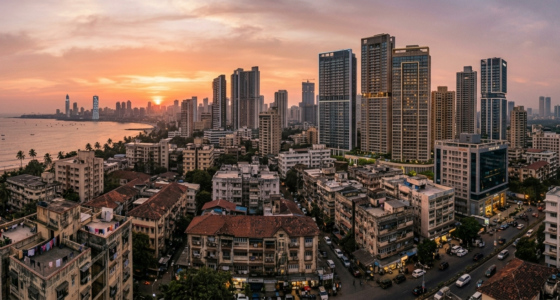

Mumbai emerged as India’s leading retail leasing market in the first half of 2026, accounting for 29% of total leasing across the country’s top seven markets, even as a shortage of quality retail space continued to constrain expansion, according to JLL.
Gross retail leasing across the top seven cities reached 6.27 million sq. ft. in H1 2026, rising 10.5% from 5.68 million sq. ft. in H1 2025. The performance marked the highest half-yearly retail leasing volume in four years.
Mumbai recorded a 69.6% year-on-year increase in leasing during the period, making it one of the strongest-performing major retail markets in the country.
Delhi NCR accounted for 24% of total leasing, while Bengaluru contributed 23%. Together, Mumbai, Delhi NCR and Bengaluru accounted for more than 75% of India’s total retail leasing in H1 2026, highlighting the continued concentration of retailer demand in established consumption markets.
Mumbai, Delhi NCR drive retail expansion
Mumbai and Delhi NCR together accounted for 53% of total retail leasing during H1 2026.
While Mumbai’s 29% share was the highest among the top seven markets, Delhi NCR registered a 75.9% year-on-year increase in leasing. Bengaluru remained the third-largest market with a 23% share.
Kolkata emerged as the fastest-growing market, with leasing volumes increasing 87.3% year-on-year following the completion of a new shopping mall in Q1 2026.
However, leasing activity moderated in Bengaluru, Hyderabad and Chennai during the period.
Retail demand rises despite shortage of quality space
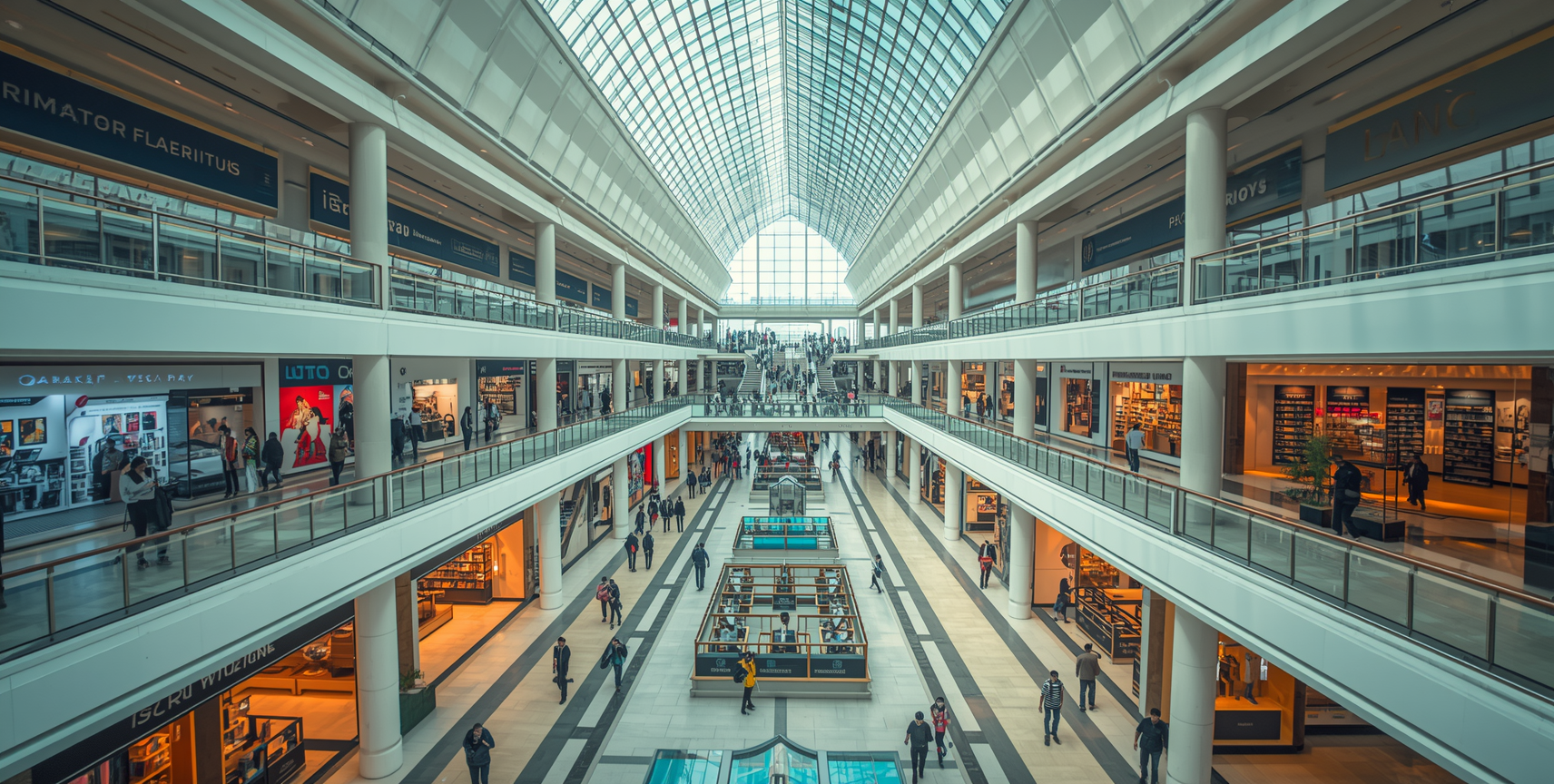
The growth in leasing came despite limited new mall supply. Only 0.82 million sq. ft. of new shopping mall space was added across the top seven cities in H1 2026, representing a 64% decline from H1 2025.
India’s total shopping mall stock stood at approximately 92.08 million sq. ft. at the end of June 2026.
The limited supply has increasingly become a challenge for retailers looking to expand. JLL said leading retail brands have been struggling to secure quality mall space over the past six to nine months, prompting some retailers to consider alternative formats for store expansion.
Despite the supply constraints, shopping mall vacancy across the top seven cities declined by 45 basis points year-on-year, from 11.60% in H1 2025 to 11.15% in H1 2026.
The share of malls in overall gross retail leasing also increased from 38.9% in H1 2025 to 43.1% in H1 2026. Leasing in shopping malls grew 22.4% year-on-year, indicating a growing preference among retailers for premium and organised retail environments.
Domestic retailers dominate leasing
Domestic retailers remained the biggest source of demand, accounting for 79.1% of total gross leasing in H1 2026.
Fashion and apparel remained the largest leasing category with a 33% share, followed by food and beverage at 18%.
Entertainment accounted for another 16% of leasing, rising from 12% a year earlier. JLL attributed the growth to family entertainment centres, including bowling alleys, gaming zones and children’s play areas.
The increase reflects a broader shift towards experience-led retail, with consumers increasingly looking for entertainment and experiential offerings alongside traditional shopping.
In contrast, leasing by daily-needs and grocery retailers fell 39%, which JLL attributed largely to the rapid expansion of quick-commerce and dark-store networks.
International brands continue to expand
Although the pace of new international brand entries moderated, established global retailers continued to expand their presence in India.
Gross leasing by international brands already operating in the country increased 62.1% year-on-year during H1 2026.
New international brands entering India during the period were primarily concentrated in food and beverage, fashion and apparel, footwear, and bags and accessories.
JLL said the continued expansion by both domestic and international retailers reflects sustained confidence in India’s consumption and retail market despite global economic uncertainties.
45.5 million sq. ft. mall pipeline by 2030
While the near-term market remains supply constrained, the medium-term development pipeline is significantly larger.
Approximately 45.5 million sq. ft. of shopping mall space is currently under various stages of construction across India’s top seven cities and is expected to become operational by 2030.
JLL said this pipeline could support the next phase of organised retail growth as developers focus increasingly on high-quality assets that integrate technology, convenience and experience-led formats.
Saket Amrit, Head-Retail Services, India, JLL, said India’s retail real estate sector is in a resilient growth phase, with demand reaching record levels despite global headwinds and rising retail inflation during the first half of 2026.
According to JLL, India’s retail market is entering a new phase in which quality of retail space, consumer experience and institutional-grade assets are becoming increasingly important.
For Mumbai, the combination of strong retailer demand and limited availability of premium retail space could continue to support leasing activity, while the city’s established consumption base keeps it among the country’s most sought-after retail markets.
Also Read: India Real Estate to Attract ₹50 Lakh Cr by 2036, But Affordable Housing Faces Funding Crisis