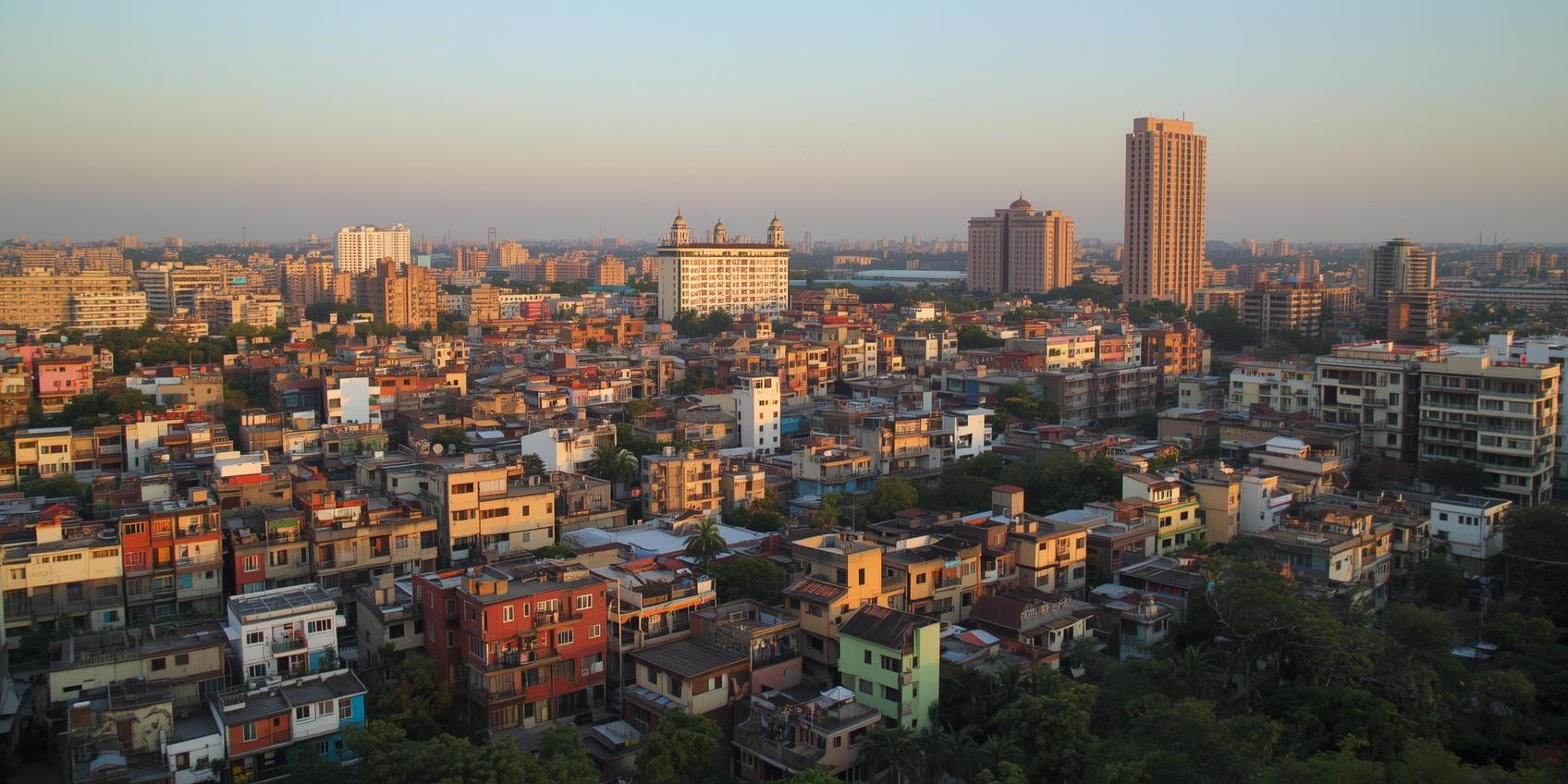

Mumbai’s real estate market delivered its strongest performance in over 14 years in calendar year 2025, with property registrations crossing the 1.5 lakh milestone, reaffirming the city’s status as India’s most active and resilient housing market.
According to data from the Inspector General of Registration and Controller of Stamps, Maharashtra, Mumbai recorded 150,254 property registrations during 2025, marking a 6% year-on-year increase over 2024. Stamp duty collections surged to ₹13,487 crore, reflecting an 11% annual growth, a clear indicator of sustained end-user demand and improved buyer confidence.
December 2025 Caps a Strong Year
The momentum remained robust till the year-end. In December 2025 alone, Mumbai registered 14,447 property transactions, generating approximately ₹1,263 crore in stamp duty revenue. This represents a 16% increase year-on-year and an 18% rise compared to November 2025, making December one of the strongest months of the year.
Residential Homes Lead the Market
Residential properties continued to dominate Mumbai’s transaction activity:
- Around 80% of all registrations were residential units
- Homes below 1,000 sq ft accounted for nearly 82% of December registrations
- The ₹1–2 crore price bracket saw a noticeable rise in share, pointing to growing demand for mid-range housing
These trends underline Mumbai’s strong end-user-driven market, supported by stable interest rates, improved project delivery, and a wide choice of inventory across suburbs.
Industry Leaders Weigh In on the Record Performance
Prashant Sharma, President, NAREDCO Maharashtra, said the record numbers reflect deep-rooted buyer confidence.
“The record 1.5-lakh-plus property registrations in Mumbai in 2025, with December posting one of the strongest monthly performances, highlights a deep and sustained buyer confidence. This 14-year high reflects not just seasonal momentum but underlying demand across both primary and resale segments. Supportive government policies, improving affordability, and increased product choices have all contributed to this broad-based growth.”
Kaushal Agarwal, Chairman, The Guardians Real Estate Advisory, highlighted sustained interest from both end-users and investors.
“Mumbai’s 2025 registrations crossing 1.5 lakh units is a very encouraging signal for the city’s housing ecosystem. The strong December figures indicate that buyer interest sustained right through the year-end. We are seeing confident participation across price bands.”
Vijay Choraria, Managing Director, Crest Ventures Limited, described the market as structurally stronger.
“The record registration figures for Mumbai in 2025 are reflective of a market that continues to attract serious homebuyers and investors. The 14-year high shows that real estate in Mumbai is entering a structurally stronger phase.”
Kamlesh Thakur, Co-Founder & Managing Director, Srishti Group, pointed to the sector’s resilience.
“Crossing 150,000 registrations in 2025 reflects the strength and resilience of Mumbai’s real estate market. As we move into 2026, maintaining transparency and customer-first practices will be key.”
Shilpin Tater, Managing Director, Superb Realty, said year-end buying played a role.
“The historic high underscores Mumbai’s resilience. Strong December numbers reflect strategic buying by end-users leveraging year-end sentiment and favourable financing conditions.”
Shraddha Kedia-Agarwal, Director, Transcon Developers, noted demand in suburban markets.
“2025 has been a landmark year, with sustained demand across segments, particularly in well-connected suburbs where quality offerings meet aspirational needs.”
Dhruman Shah, Promoter, Ariha Group, said the numbers highlight market health.
“Achieving over 1.5 lakh registered transactions is a strong testament to consumer confidence. This momentum should encourage developers to innovate on product quality and customer-centric solutions.”
Outlook for 2026
With registrations and stamp duty collections both hitting multi-year highs, Mumbai’s real estate market enters 2026 on a strong footing. Continued infrastructure upgrades, steady residential launches, and policy stability are expected to support demand, particularly in the affordable-to-mid and premium housing segments.
Also Read: Year 2020: Made Mumbai Real Estate Smile