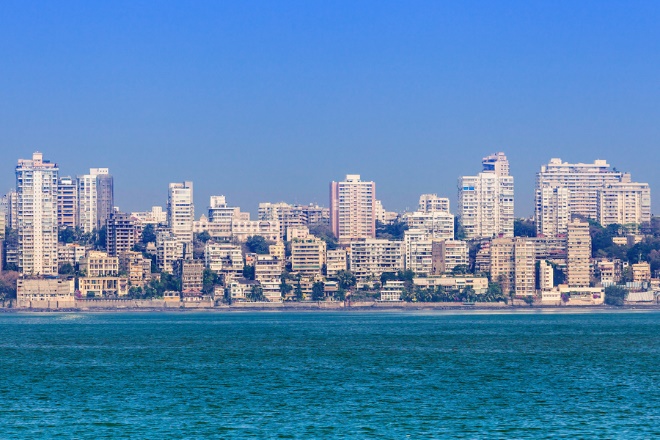

Mumbai, the city that never sleeps is all agog to a new emerging trend seen in its luxurious offerings. Plush properties, known for their opulence and contemporary amenities, are now embracing the spiritual route. This shift reflects a growing recognition among developers and residents alike that true luxury extends beyond material comforts to encompass elements of tranquility, mindfulness, and spiritual well-being. The city where luxury and modernity often take center stage, this might seem unexpected to some, but deeply resonates with others.
Amidst the skyscrapers and sky-walks of luxurious living, developers are incorporating spaces for meditation, yoga, and reflection within their high-end properties. From rooftop decks offering panoramic views of the city skyline to serene meditation gardens nestled amidst lush greenery, these additions are redefining what it means to live luxuriously in a fast-paced urban environment. Such amenities not only provide residents with opportunities to unwind and recharge but also foster a deeper connection with oneself and the immediate community.
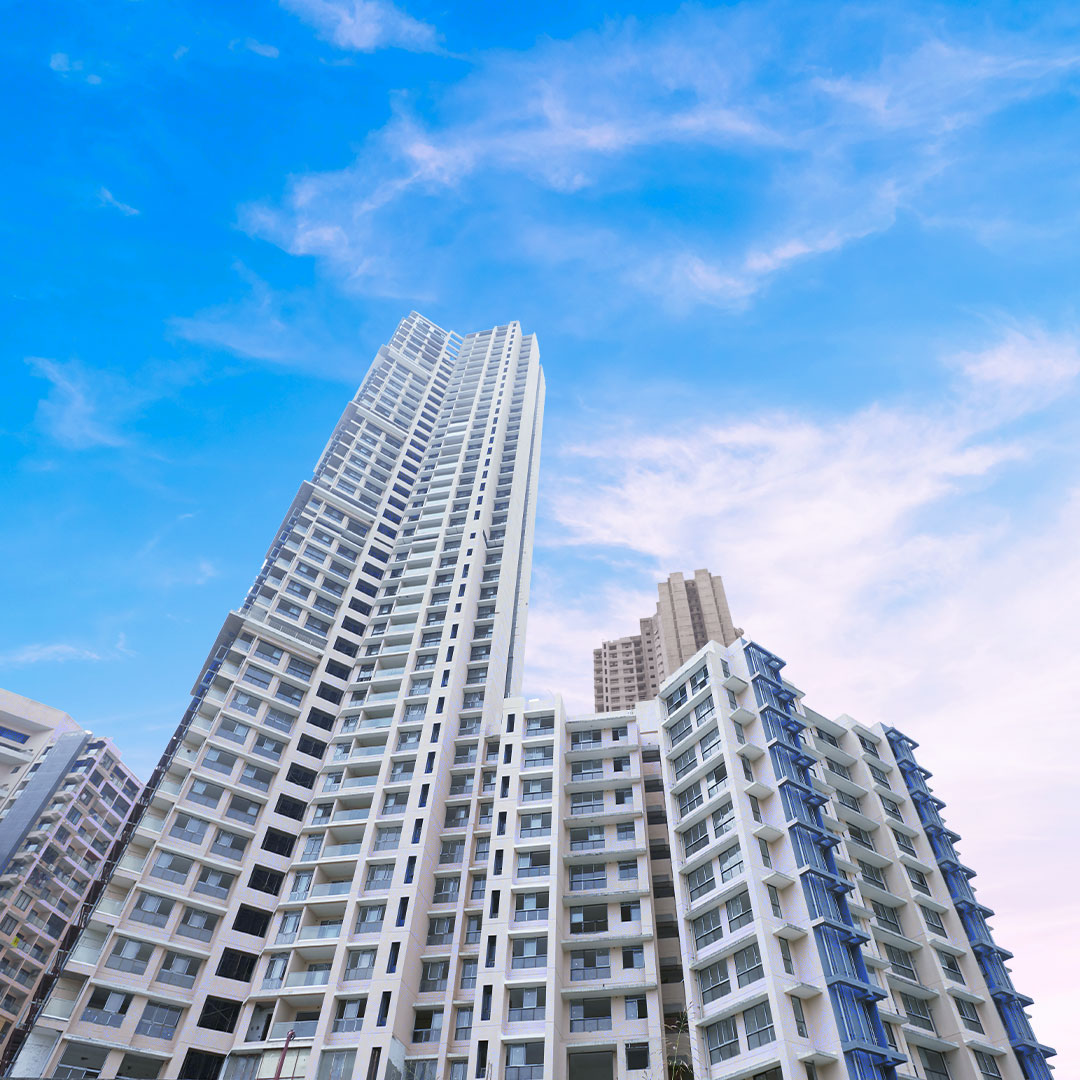
Due to the growing demand, most leading developers have incorporated these spiritual elements in their projects. Omkar Alta Monte a luxury residential development on the Western Express Highway will soon be consecrating a Hindu and Jain temple within the precincts of its project at Malad (East), Mumbai. According to a resident at Omkar Alta Monte who wished to remain anonymous said that a lot of home buyers are aspiring for these spiritual elements to be incorporated in their housing projects. It offers a serene atmosphere for residents to introspect and worship as well fosters a sense of community and bonding among them.
This marks a significant step in the integration of these mystic elements blend with modern living within Mumbai’s real estate landscape. This also adds a touch of reverence and cultural richness to the development.
A leading real estate advisory firm The Guardians Real Estate Advisory’s Director, Khetsi Barot, points out that there is a definite shift of around 15 to 20 per cent in the rise of customers who are looking at something more than just lifestyle benefits. “Home buyers in the luxury housing segment are looking at properties that provide not just lush amenities, but which are sustainable, set amidst a green cover and have these spiritual elements that provide residents with a holistic living experience,” he said.
Beyond the tangible benefits of relaxation and stress relief, the integration of spiritual elements into Mumbai’s plush properties reflects a broader cultural shift towards holistic living, across a wide range of religious and personal beliefs. As individuals increasingly seek work-life balance in their lives, the demand for spaces that nurture both the body and soul continue to grow. In this dynamic city where contrasts abound, the convergence of luxury and spirituality serves as a poignant reminder that amidst the hustle and bustle, there exists a profound longing for peace and a deeper sense of fulfillment. As Mumbai’s skyline continues to evolve, so too does its definition of luxury, now enriched by the inclusion of spaces that nourish the spirit as well as the body.
Also Read: Luxury Sales Share At 21% from 7% in 5 Years, Affordable Housing Down to 20% From 37%