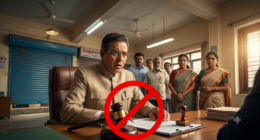

In a significant relief for senior citizens, the Slum Rehabilitation Authority (SRA) has made it mandatory to provide homes on the ground floor or first floor to elderly residents in all redevelopment projects. This new rule aims to reduce physical hardship and ensure safer, more accessible living for Mumbai’s senior citizens during the often lengthy redevelopment process.
The directive is part of SRA Circular No. 238, dated 18 February 2026, issued by the Engineering Department of the Slum Rehabilitation Authority, Brihanmumbai. The circular enforces the full implementation of Maharashtra’s Comprehensive Senior Citizens Policy 2013 in every slum redevelopment project across the city.
This move follows strong observations by the Bombay High Court in writ petitions No. 2586/2024 and 37903/2025, where the court highlighted the difficulties faced by elderly people due to long delays and lack of basic facilities in ongoing slum redevelopment schemes. In response, the Maharashtra Housing Department issued instructions in December 2025, prompting SRA to issue this detailed circular.
The circular makes it compulsory for SRA officers to prominently mention compliance with the senior citizens policy in every Letter of Intent (LOI) or offer letter given to developers. Builders and societies ignoring these guidelines can now face strict action, including possible cancellation of their project appointment.
Key Guidelines for Senior Citizens in SRA Redevelopment Projects
The circular lays down comprehensive elderly-friendly standards that every slum redevelopment project must follow:
Building Design and Accessibility
- Barrier-free entrances with wheelchair-friendly ramps, anti-skid flooring, and sturdy handrails.
- Lower-height stairs to reduce the risk of falls.
- Wheelchair-accessible lifts on all floors with Braille buttons, audio announcements, and generator backup during power failures.
- Wider doors, obstacle-free corridors inside flats, and senior-friendly bathrooms equipped with anti-skid tiles and grab bars.
Safety and Security
- Round-the-clock (24×7) security guards, intercom facility at entrances, and CCTV cameras at key locations.
- Emergency panic buttons or alarms in homes and common areas.
- Proper fire alarm systems, extinguishers, and clearly marked emergency exit routes.
Health, Recreation and Daily Facilities
- On-call doctor services, first-aid kits, and preferably a dedicated primary health room.
- Contact numbers of ambulances and nearby government and private hospitals must be displayed.
- Adequate open green spaces, safe walking tracks, shaded benches, and areas for yoga and light exercise.
- Community hall, indoor games room, TV room, and reading room to promote social interaction among seniors.
- Regular cleaning, effective waste management, and reliable water and electricity backup.
Priority Flat Allotment Senior citizens aged 60 years and above who request it must be allotted flats on the ground floor or first floor, or in locations closest to the lift. Special preference will also be given to disabled seniors or those suffering from serious illnesses. This provision applies even if lifts are available in the building.
Grievance Redressal Committee Formed
To ensure quick resolution of complaints related to redevelopment of buildings with a large number of elderly residents, SRA has constituted a dedicated three-member committee (via office order dated 15 December 2025):
- Chairman: Shri Dinesh Mahajan, Executive Engineer
- Member: Shri Balasaheb Tidke, Deputy Collector, Eastern Suburbs (Special Cell)
- Member Secretary: Smt. Sandhya Bavanakule, Assistant Registrar
This committee will function as the nodal grievance redressal authority for all senior citizen-related issues in SRA projects.
Post-Rehabilitation Monitoring
After project completion, every redevelopment scheme must form a monitoring committee consisting of the architect, the developer, two senior citizen representatives from the housing society, and an SRA officer. This committee is required to meet at least once every month to review whether all promised facilities are functioning properly and to address any ongoing concerns of elderly residents.
Senior citizens must also be given representation on the housing society’s managing committee so their voice is heard in decision-making.
SRA has directed all its departments, competent authorities (Levels 1 to 10), and zonal offices to strictly implement these guidelines and submit periodic compliance reports to the state government and the Chief Executive Officer of SRA.
This circular is expected to bring meaningful relief to thousands of senior citizens living in Mumbai’s slums who have been waiting for years in unsafe conditions. It marks a clear shift towards making slum redevelopment more humane and inclusive for the city’s elderly population.