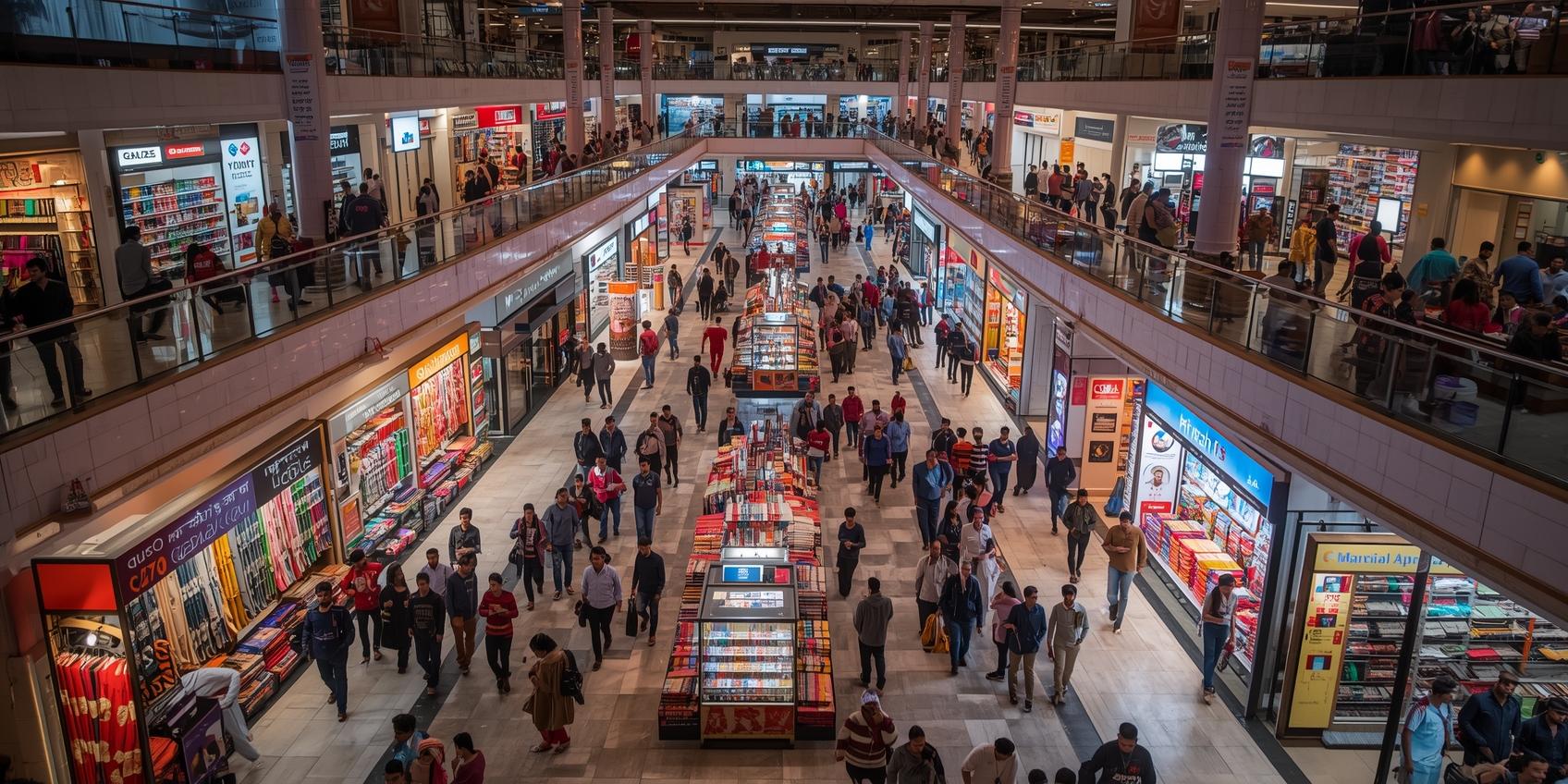

India’s mall landscape is undergoing a big transformation. Out of 650 operational malls across the country, only 30–35% meet institutional-grade quality, according to new research by ANAROCK. But with big developers expanding aggressively, and GST reforms streamlining the tax environment, India’s retail real estate is gearing up for a world-class upgrade.
Big Developers, Bigger Plans 🏢
Major players like Nexus Malls (Blackstone), Phoenix Mills, DLF, Prestige, Lakeshore, Raheja Group and Pacific are leading this change.
- These 7 developers already own 58 malls spread over 34 million sq. ft.
- They have 45+ new malls (42.5+ million sq. ft.) in the pipeline for the next 3–5 years.
- Many of these upcoming malls will be in Tier-2 cities like Chandigarh, Indore, Surat, Bhubaneshwar, and Coimbatore, where rising incomes and aspirational shoppers are driving demand for quality retail spaces.
“It is notable how quickly institutional investment is spreading beyond the metros into Tier 2 hubs,” says Anuj Kejriwal, CEO & MD, ANAROCK Retail. “Changing consumer expectations and the need for standardized, experiential spaces are driving this shift.”
From Quantity to Quality 🛍️
Between 2005 and 2015, India built 250+ malls, riding on the organized retail boom. But many of these were poorly planned.
- 20–22% of those malls were later shut down, repositioned, or converted to other uses.
- Vacancy rates in Grade B and C malls crossed 30–35%, making them financially unviable.
- Only Grade A malls recorded positive rental growth of 5–8% CAGR, while others stagnated.
Today, Grade A malls account for 30–35% of operational stock, but this is expected to rise significantly:
- In 2015, Grade A malls made up just 22% of inventory in top cities.
- By 2027, they are projected to make up 60% of the stock, with vacancies dropping from 19% to around 9%.
India vs the World 🌍
India currently has around 110 million sq. ft. of quality retail space, compared to 700+ million sq. ft. in the US and 400+ million sq. ft. in China — both largely institutionally owned.
This gap shows the massive growth potential, especially given India’s:
- Urbanization boom
- Consistently strong retail sales productivity (₹1,200–1,600 per sq. ft. per month in Grade A malls)
- Growing appetite for bigger, better, branded retail spaces
GST Reforms to Accelerate Growth 💸
Recent GST changes implemented on September 22 are set to make real estate taxation simpler and more transparent, particularly for commercial and retail properties.
For developers:
- Lower compliance burden
- Better cash flow predictability
- Easier for institutional investors (like REITs) to participate
For shoppers:
- More transparent pricing of goods across states
- No cascading taxes, meaning fewer hidden costs
- Improved confidence and spending power, especially on branded and premium products
“The new GST regime will rejuvenate shopper confidence and drive demand for experience-driven retail formats, accelerating the growth of institutional malls in India,” Kejriwal adds.
What Lies Ahead 🧭
- New malls are expected to average 1–1.2 million sq. ft.
- 30–40% of smaller, underperforming malls may be repurposed into mixed-use projects (with offices, hotels, or residences)
- At least 2–3 new retail-focused REITs are expected soon, indicating rising investor interest in high-quality retail assets
India’s mall ecosystem is moving away from smaller, fragmented projects to large-scale, professionally managed retail destinations. Over the next few years, the share of institutional-grade malls is expected to rise sharply — bringing better shopping experiences for consumers and more stable returns for investors.
Also Read: Real Estate Sector expects positive reforms from new Government