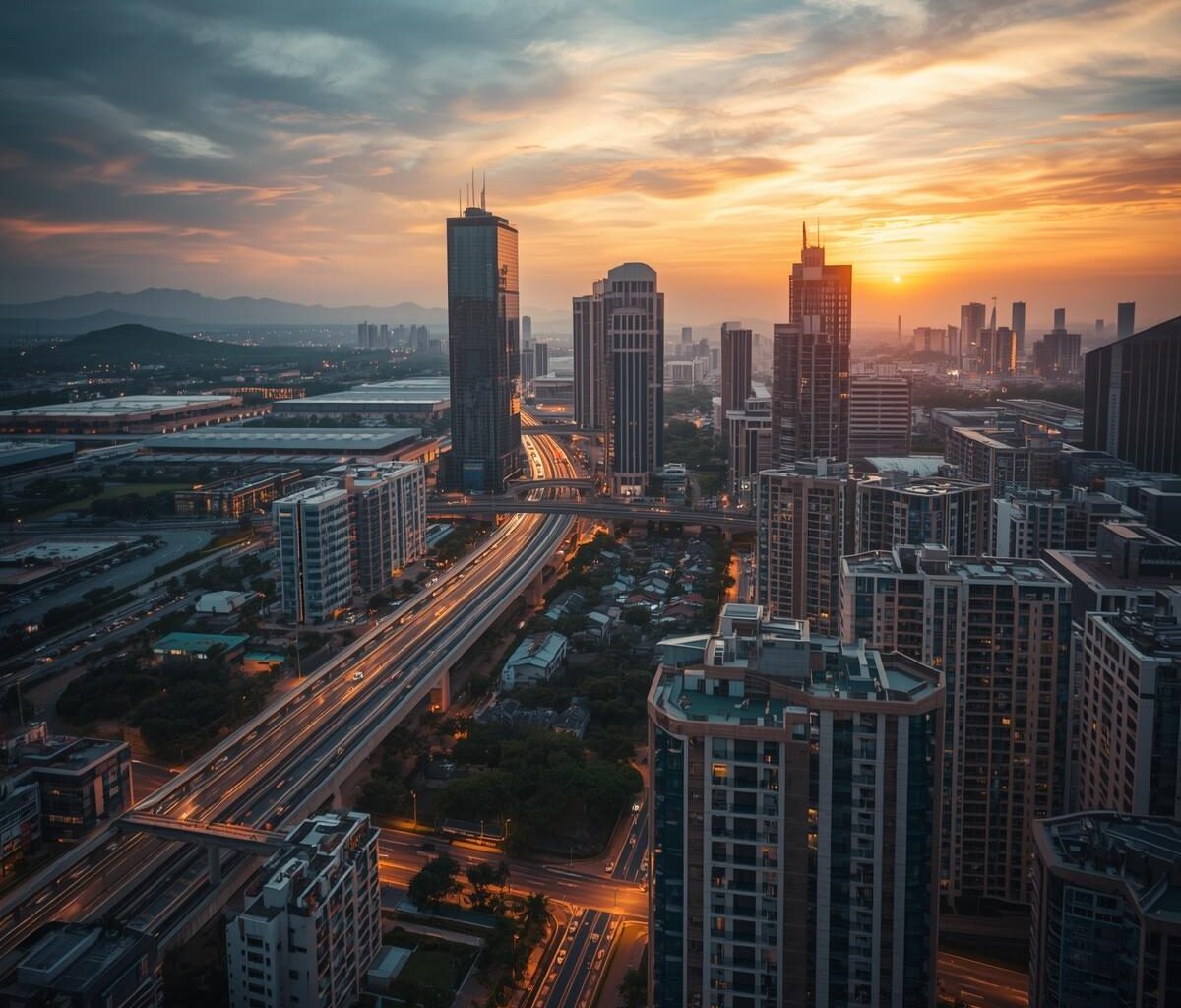

Once seen as a “retirement city,” Pune is today scripting one of India’s biggest growth stories. IT exports from the city have more than doubled in just five years, jumping from ₹50,000 crore to ₹1.05 lakh crore. Alongside, the city’s manufacturing muscle and booming Global Capability Centres (GCCs) are powering an 8.3% GDP growth rate—making Pune a true double-engine economy.
IT Boom + Manufacturing = Double Engines of Growth
Pune is now India’s third-largest software export hub after Bengaluru and Hyderabad. At the same time, its traditional strength in manufacturing, spread across MIDC industrial clusters, has not slowed down. This combination has given Pune a unique balance—where IT contributes 23% of the city’s GDP, while manufacturing ensures stability and jobs.
Over 360 GCCs Powering New Jobs
The city now hosts more than 360 operational Global Capability Centres, where multinational companies carry out high-value research, innovation, and technology work. Unlike other IT-heavy cities, Pune’s GCC ecosystem is diverse—
- 30% BFSI (Banking & Financial Services)
- 26% Manufacturing
- 21% Technology
This diversification shields Pune from sector-specific slowdowns and creates a steady demand for both office and residential real estate.
Population Rising 3X Faster Than India’s Average
Jobs have turned Pune into a magnet for migrants. In the past decade, the city’s population grew 33.3%, three times higher than the national average. This wave of new residents is fueling housing demand—from premium apartments in Koregaon Park and Baner to affordable homes in Pimpri Chinchwad.
Office Market on the Rise
Pune already has 89.2 million sq. ft. of Grade A office stock and commands a 13% share of India’s upcoming office pipeline till 2028. Interestingly, Pune’s office rents average ₹82.3 per sq. ft., about 14% cheaper than the national average—making it a value-for-money option for global companies.
Industrial & Warehousing Growth
The city has added 14,550 new industrial units post-COVID and registered over 9.2 lakh MSMEs in just four years, employing more than 55 lakh people. Warehousing stock has touched 66 million sq. ft., with another 55 million sq. ft. coming by 2028, showing healthy demand.
Housing: Affordable Yet Premiumizing
Home sales in Pune have more than doubled between 2019 and 2025, with developers responding by launching 2.4 times more projects. The city offers everything—from ultra-luxury residences in SB Road and Koregaon Park to affordable homes in Tathawade and Ravet.
Green & Sustainable Future
Pune is also leading in green-certified offices. 61% of current office stock is already green-certified, and 97% of upcoming projects over the next three years will carry green tags.
Infrastructure Push
Mega projects like the 83-km Ring Road, Pune Metro expansions, and proximity to the upcoming Navi Mumbai Airport are expected to further boost connectivity, making the city even more attractive for both corporates and homebuyers.
The Bottom Line
Pune is no longer just the “Oxford of the East” or a “manufacturing hub.” With IT exports doubling, GCCs booming, industries expanding, and housing demand surging—the city is fast becoming India’s most balanced growth story. For homebuyers, investors, and job-seekers alike, Pune looks set to be the place where the future lives.
Also Read: Notice of De-Registration Applications for 2 Pune Real Estate Projects