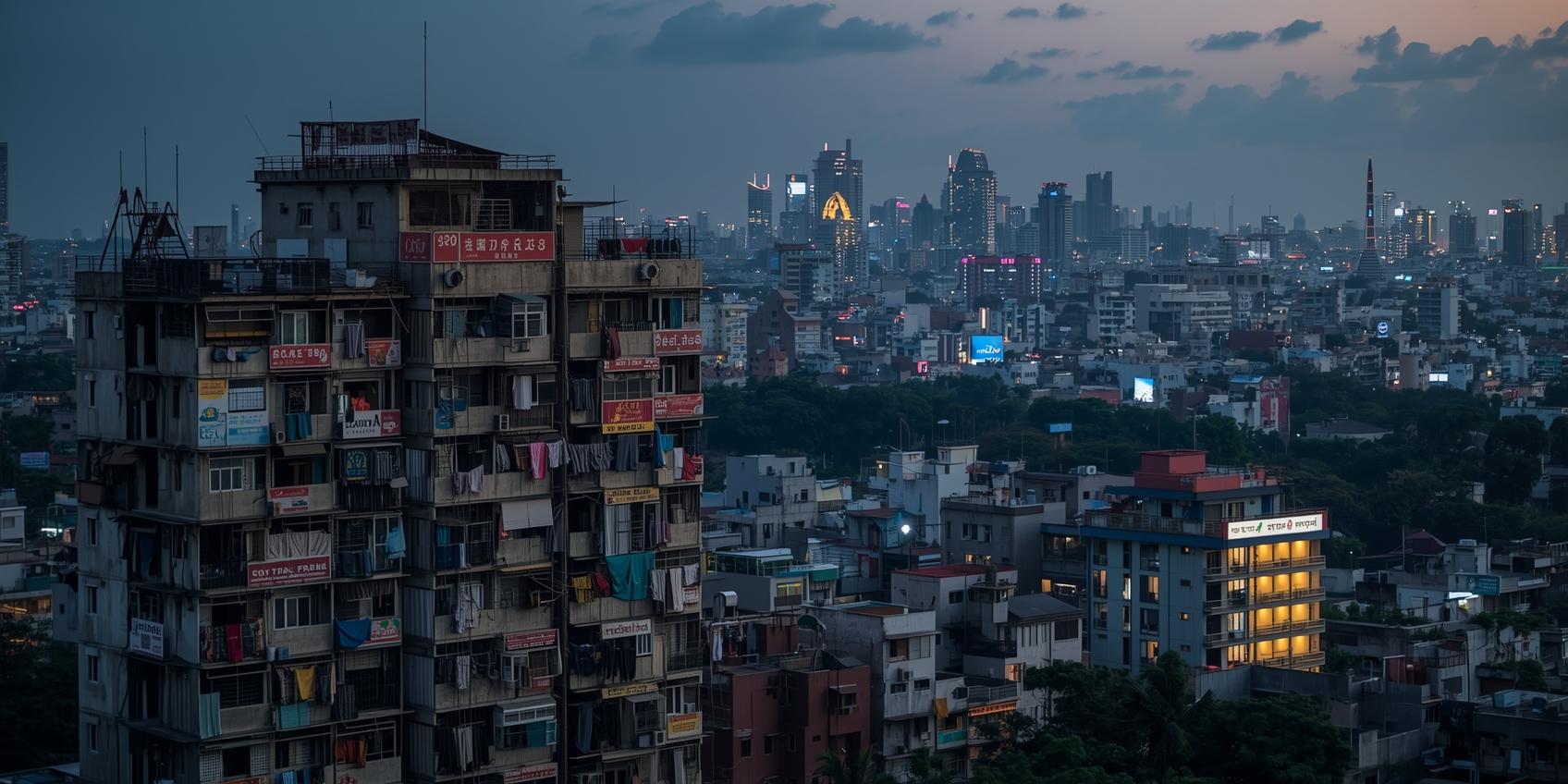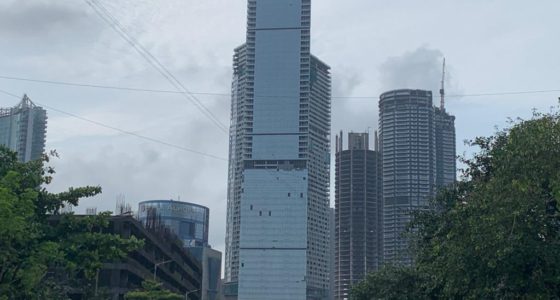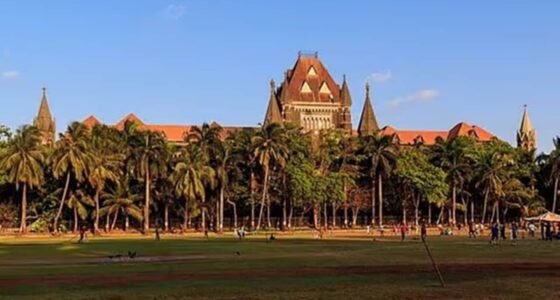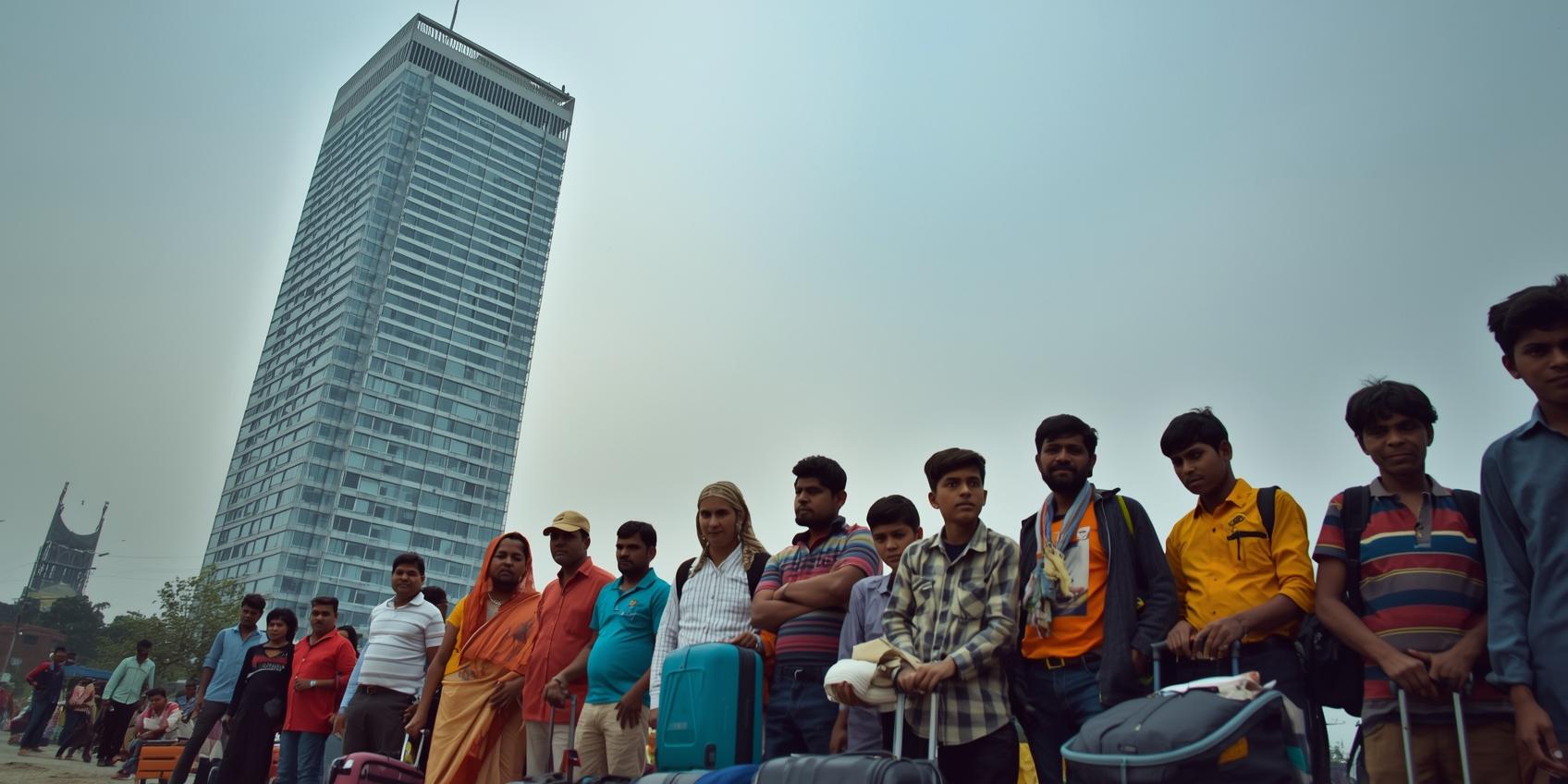

In a bold call for equitable urban renewal ahead of Maharashtra’s delayed municipal elections, the Praja Foundation has unveiled its 53-page Citizens’ Manifesto for the 2025 polls. Released in December 2025, the document serves as a practical, measurable roadmap for transparent, accountable, data-driven, and people-centric governance. It addresses the three-year void in elected municipal representatives—particularly in cities like Mumbai—where decisions on transport, redevelopment, land use, and infrastructure have sidelined citizen voices. Central to its housing agenda is a demand for government-led relocation of slum dwellers into unsold housing units to reduce slum density, aligning with Sustainable Development Goal (SDG) 11 for sustainable cities and communities by 2030.
The manifesto urges political parties and candidates to pledge commitments that transform local governments into engines of resilience and opportunity, emphasizing that core urban services must be treated as basic rights, not amenities.
Tackling Housing Inequities Head-On
Drawing from Maharashtra’s ongoing urban transition—where nearly half of India’s population will live in cities by 2035—the manifesto prioritizes housing as a cornerstone of inclusive growth. It demands proactive measures to decongest slums, including:
- Relocation to Unsold Inventory: Immediate government intervention to house slum residents in available unsold flats, coupled with shifting labor-intensive businesses out of high-density areas.
- New Developments on Public Land: Construction of affordable housing via community land reserves on government-owned sites, with resident involvement in planning to ensure community buy-in.
- Peripheral Expansion with Connectivity: Building new housing stock in city outskirts, bolstered by robust public transport networks to make these areas accessible and livable.
These steps integrate with Local Area Plans (under state norms) and building permissions, advocating for public consultations to democratize redevelopment and land-use decisions. The goal: Universal access to safe, affordable, green housing that prioritizes vulnerable groups like women, children, seniors, and persons with disabilities.
Revamping Infrastructure for Resilience
Infrastructure demands underscore the manifesto’s push for ward-level accountability and alignment with Urban and Regional Development Plans Formulation and Implementation (URDPFI) guidelines. Municipal corporations, despite limited devolution, hold powers over essential services that must be maximized:
- Roads and Mobility: Pothole-free ward-level roads with transparent quality standards; obstruction-free, walkable footpaths; and street lighting/parking regulation to enhance neighborhood mobility.
- Drainage and Monsoon Readiness: Published vulnerability maps and preparedness plans before rains, alongside improved sewerage systems to combat flooding.
- Public Health and Sanitation: Strengthened municipal hospitals, dispensaries (one per 15,000 population per National Building Code), and disease surveillance; universal access to clean, gender-balanced public toilets in slums (e.g., 1 seat per 35 males/25 females in communities); and campaigns for equitable water distribution (continuous supply via BIS standards).
The document flags critical gaps, like 31% vacancies in medical posts and 42% in paramedical roles at Brihanmumbai Municipal Corporation, calling for their urgent filling. It also ties infrastructure to environmental protection: Real-time air/water quality dashboards, pollution hotspot action plans, and disaster management strategies to build climate-resilient cities.
Building Capacity and Ensuring Service Standards
To deliver on these, the manifesto mandates filling vacancies, hiring lateral experts in planning, climate, finance, and data analytics, and introducing performance-linked incentives. Cadre reviews would eliminate redundancies, while roles like Chief Data Officers ensure efficient oversight. Service Level Benchmarks (SLBs) must be disclosed mandatorily, with regular Citizen Charter updates tracking achievements in water, waste (daily segregated collection with decentralized processing), and more—publicly audited against SDGs and national indicators.
Fostering Transparency and Citizen Voice
Transparency is non-negotiable: An Open Data Portal for real-time ward info on budgets, tenders, projects, health metrics, and environmental reports (e.g., Air Quality Index), powered by AI chatbots and dashboards. A unified digital e-governance platform would let citizens submit “needs and wants,” track budget inclusions, and provide feedback, closing the loop on accountability.
Digitized Ward Committees/Area Sabhas get a facelift: Livestreamed meetings, digital input submissions, and progress dashboards for inclusive participation—beyond selective offline forums.
Pledges for Political Accountability
The manifesto culminates in tailored pledges for candidates and parties: Commit to SLBs for responsive services, open data portals, quarterly ward reports (on infrastructure, health, finance, and environment), and digital forums for participatory budgeting and grievance redressal. Supported by donors like Rohini Nilekani Philanthropies, Praja Foundation’s vision positions cities as “beacons of resilience and economic opportunity,” converting everyday expectations into measurable rights.
As polls loom (with Supreme Court deadlines by January 2026), this citizen-led blueprint challenges parties to prioritize people over process, potentially reshaping Maharashtra’s urban future.