High Court Rules: Those Who Didn’t Take Home Loan Cannot Be Forced to Pay

In a December 2025 ruling, Bombay High Court held that persons who never took a home-loan — such as flat-sellers who refunded buyers — cannot be forced to pre-deposit dues under SARFAESI, striking down earlier DRAT orders that demanded such deposits.


Bombay High Court Slams BMC for ‘Bureaucratic Lethargy’: Dismisses Appeal After 1,526-Day Delay in Property Tax Case

The Bombay High Court has sharply criticised the BMC for a 1,526-day delay in a property tax appeal, calling its excuses unacceptable and dismissing the case, warning that such lethargy could cost the city vital revenue.

Builder Sold Flats, Disappeared for 40 Years – Bombay High Court Finally Gives Ownership to Residents

After selling flats in the 1980s, the landowner vanished for 40 years. Residents formed their own society, paid taxes, and maintained the buildings themselves. When the original owner finally claimed the land back, Bombay High Court threw out the case with costs and declared: the residents are the real owners. A historic victory for flat buyers across Maharashtra.

Bombay High Court Clarifies ‘Built-Up Area Wall to Wall’ Equals Carpet Area in Real Estate Development Dispute

In a landmark ruling on November 25, 2025, the Bombay High Court clarified that the contractual term ‘built-up area wall to wall’ equates to carpet area, dismissing a developer’s challenge to an arbitral award in a Mumbai land development dispute. The decision highlights the need for precise language in real estate agreements to prevent ambiguities over usable space.

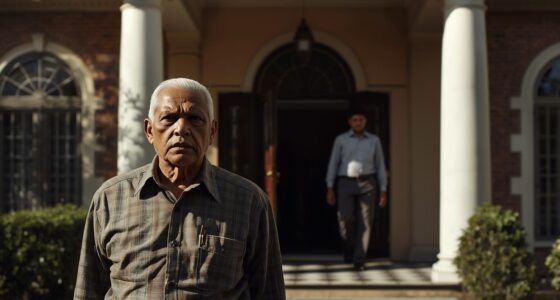
75-Year-Old Retd. IAS Officer Loses Case to Evict 53-Year-Old Unemployed Son from Mumbai Bungalow

In a significant ruling, the Bombay High Court has overturned an eviction order against a 53-year-old unemployed man by his 75-year-old retired IAS father, stating the Maintenance and Welfare of Parents and Senior Citizens Act, 2007, cannot be misused for property recovery without a genuine maintenance need. The case highlights the balance between elder welfare and family property rights.