In a major push towards rural housing, the Maharashtra government has approved the disbursement of ₹1,000 crore under the Pradhan Mantri Awas Yojana Gramin for the financial year 2025–26.
The Government Resolution (GR) dated March 20, 2026, outlines the release of funds under the general category component of the scheme, reinforcing the Centre and State’s commitment to the “Housing for All” mission.
₹1,000 Crore Allocation: Centre vs State Share
The total approved fund of ₹1,000 crore has been split as follows:
- ₹600 crore – Central Government share (60%)
- ₹400 crore – Maharashtra State share (40%)
This allocation is part of the pending amount from the larger Mother Sanction issued by the Government of India in February 2026.
Background: Larger Sanction & Pending Funds
The Ministry of Rural Development had sanctioned a substantial amount for Maharashtra under PMAY-G:
- Total sanction (general category): ₹1,376.56 crore (approx.)
- Out of this, a portion had already been released earlier
- The current ₹1,000 crore release addresses the remaining pending allocation
This ensures that the scheme’s implementation does not face funding bottlenecks.
Where Will the Funds Go?
The funds will be routed through:
- State Management Cell – Rural Housing (under Maharashtra’s Rural Development Department)
They will be used for:
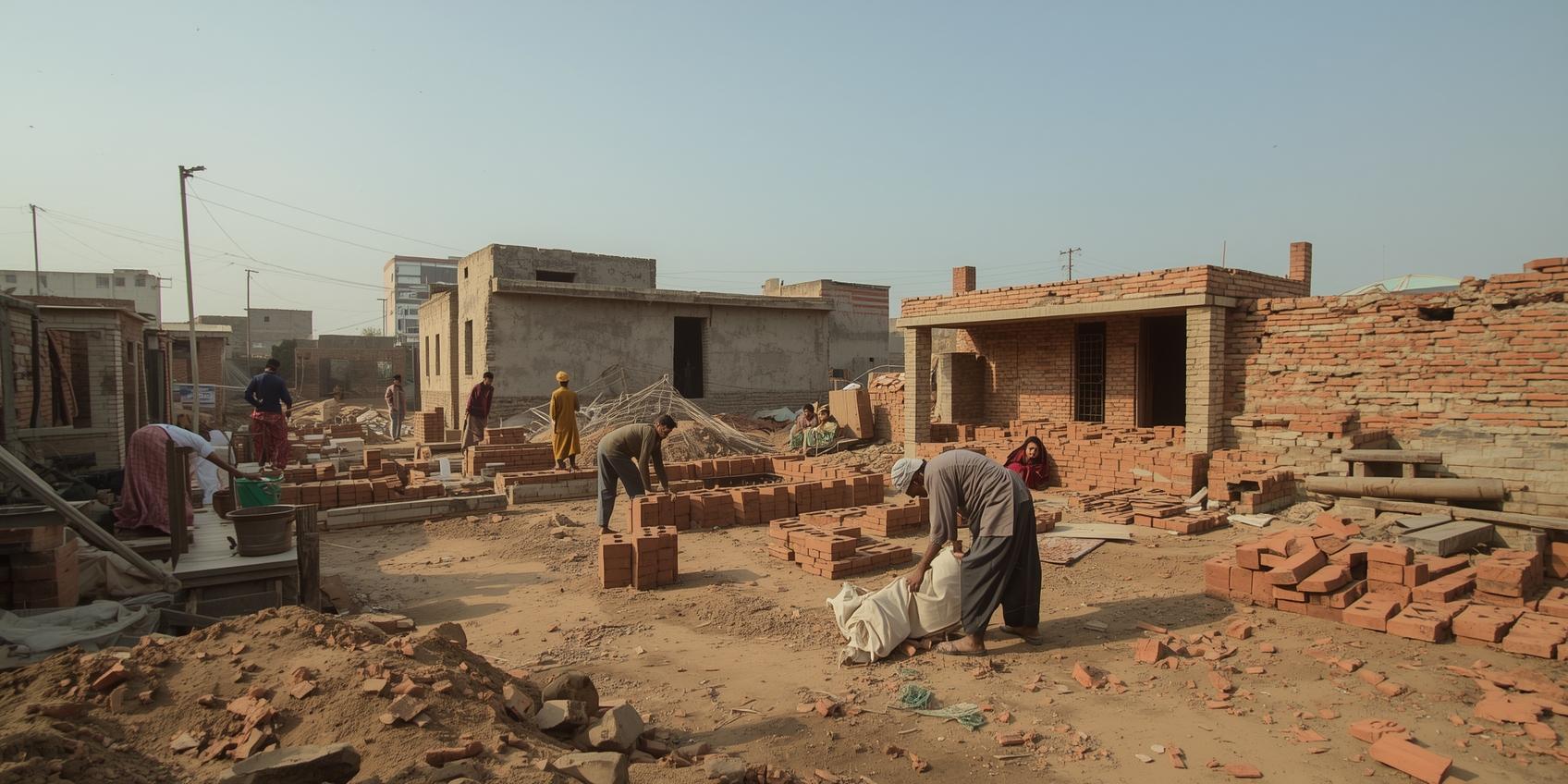
- Construction of pucca houses in rural areas
- Financial assistance to eligible beneficiaries
- Supporting ongoing housing projects under PMAY-G
Key Administrative Mechanism
- Funds will be disbursed via the Budget Distribution System (BDS)
- खर्च will be routed through SNA-SPARSH system, which is mandatory for centrally sponsored schemes
- Designated officers have been appointed for fund withdrawal and monitoring
Strict compliance has been mandated to ensure:
- Funds are used only for intended purposes
- No financial irregularities occur
- Timely utilisation within the financial year
Why This Matters
1. Boost to Rural Housing Supply
This ₹1,000 crore infusion will accelerate construction of houses for economically weaker rural households.
2. Strengthening “Housing for All” Mission
PMAY-G remains one of India’s largest housing schemes, and such funding ensures steady progress toward universal housing access.
3. Economic Multiplier Effect
Rural housing construction drives:
- Local employment
- Demand for construction materials
- Growth in rural infrastructure
Bigger Picture
With both Centre and State contributing significantly, Maharashtra continues to be one of the key states in implementing PMAY-G at scale.
This funding not only supports housing creation but also strengthens the rural economy—making it a critical pillar in India’s broader development agenda.
Also Read: Maharashtra Implements ‘SNA-SPARSH’ System for Faster Fund Transfers under PMAY (Urban) and PMAY 2.0