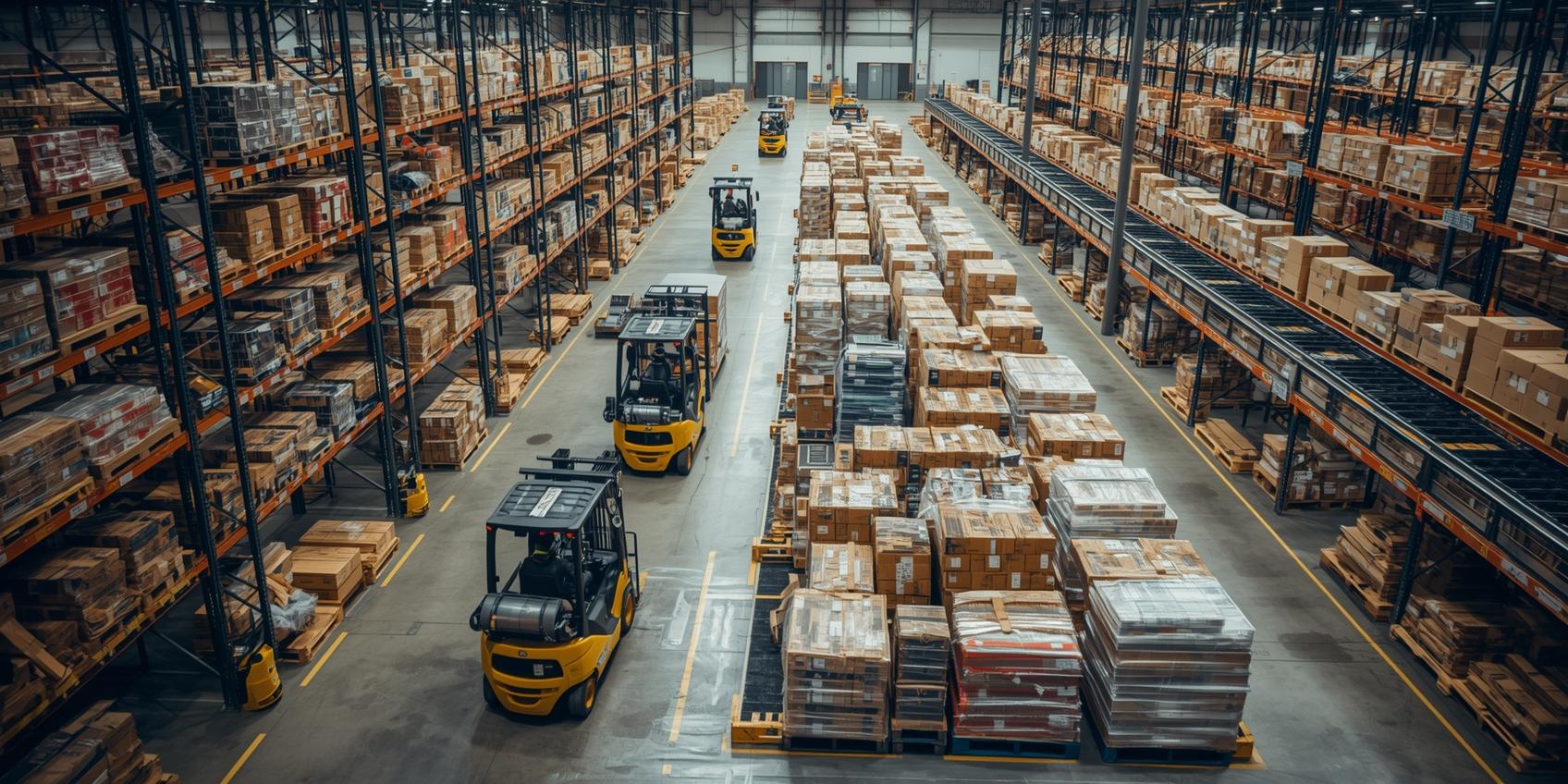

In a surprising shift, the Industrial & Logistics real estate segment — once a hot favourite of global investors — saw zero private equity (PE) transactions in the first half of FY26, according to ANAROCK Capital’s latest FLUX report.
This marks a sharp reversal from previous years, where nearly half of all PE investments were concentrated in warehousing and logistics assets, fuelled by India’s e-commerce boom, manufacturing push, and 3PL expansion.
While overall private equity inflows into real estate fell 15% year-on-year to USD 2.2 billion in H1 FY26, the complete absence of Industrial & Logistics deals stands out as one of the most striking trends this year.
📉 From 47% Share to 0%: The Numbers Tell the Story
| Asset Class | FY25 Share | H1 FY26 Share |
|---|---|---|
| Industrial & Logistics | 47% | 0% |
| Retail | 0% | 17% |
| Mixed-use | 11% | 19% |
| Commercial Office | 23% | 40% |
| Hotels | 0% | 4% |
| Data Centres | 0% | 5% |
| Residential | 19% | 15% |
📌 “Industrial & Logistics was conspicuous by its absence this half-year, though investor interest remains high for quality assets,” notes the ANAROCK report.
🌐 Why the Slowdown Matters
The Industrial & Logistics segment is considered a backbone of India’s economic and consumption story. Warehousing parks, fulfilment centres, and last-mile logistics facilities support the rapid growth of e-commerce, manufacturing (PLI schemes), and urban distribution.
Between FY22 and FY25, this segment consistently attracted some of the largest institutional deals, as global investors like Blackstone, ESR, IndoSpace, and GIC bet big on India’s consumption-led growth.
The absence of deals this half-year does not indicate a lack of interest — instead, it reflects:
- ⏸ Timing gaps: Several large deals are currently under negotiation but are yet to close.
- 🧾 Valuation resets: Investors and developers are recalibrating prices amid changing cost structures and yield expectations.
- 🏗 Regulatory & land issues: Acquiring large contiguous land parcels remains complex in key logistics corridors.
💬 Investor Sentiment Still Positive
Despite the pause, institutional appetite remains strong. ANAROCK notes that “several transactions are currently under discussion, and some are likely to be closed in the coming months.”
Globally, logistics continues to be one of the most stable real estate asset classes. In India, strong consumption demand, growing 3PL activity, and supply chain diversification continue to support long-term investment interest.
🏡 Why Homebuyers Should Care
At first glance, Industrial & Logistics deals may seem far removed from residential buyers. But in reality, this segment plays a critical indirect role in shaping housing markets:
- 📦 Logistics hubs create jobs in manufacturing, warehousing, transport, and e-commerce. These hubs often drive new housing demand in peripheral areas.
- 🏗 When investor funding slows, logistics park development can lag, affecting planned township and affordable housing projects near industrial belts.
- 🚆 Many logistics corridors are linked to new transport infrastructure, which also benefits residential connectivity.
👉 A slowdown here may temporarily delay ecosystem development around major logistics corridors like MMR outskirts, NCR peripheries, and Chennai–Bengaluru industrial belts.
🌍 Winners This Year: Retail, Offices & Data Centres
While Industrial & Logistics took a back seat, Commercial Office assets took a 40% share, Retail 17%, and Mixed-use 19%. Data Centres, too, attracted 5% of inflows — a sign of diversification in investor focus.
Also Read: Warehousing & Logistics sector shows resilience amidst Investment drought