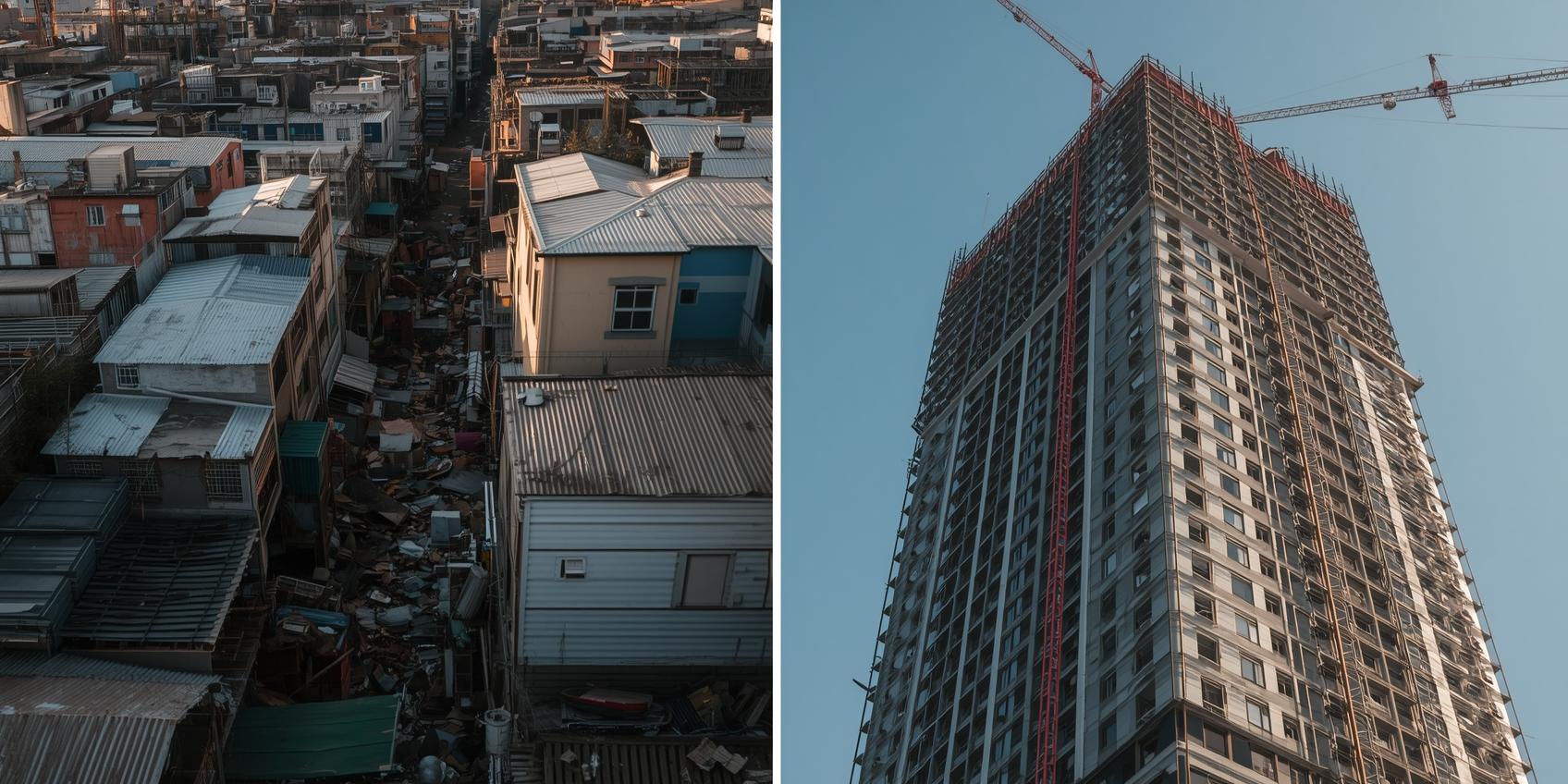

In a major policy shift aimed at ensuring timely payments to the Slum Rehabilitation Authority (SRA) and improving financial discipline in redevelopment projects, the Maharashtra government has amended Regulation 33(10), Clause 9.1 of the DCPR 2034, mandating that developers must deposit the full corpus amount before selling any free-sale flats in SRA schemes.
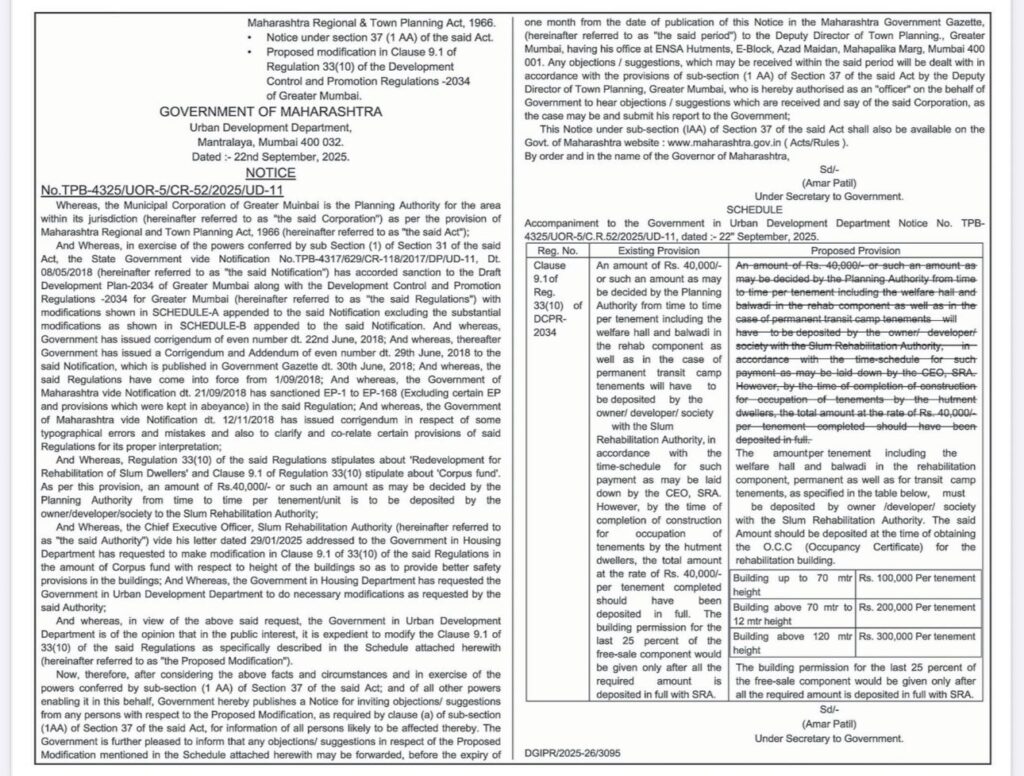
The Urban Development Department issued the notification on 22 September 2025, published in the Maharashtra Government Gazette. It modifies the existing framework under which developers were depositing the welfare and rehab corpus amounts in phases, often after selling part of the free-sale component.
This change is expected to plug financial leakages, ensure security of rehabilitation funds, and reduce delays in slum redevelopment schemes across Mumbai.
📜 What the Old Rule Said
Previously, developers were required to pay ₹40,000 per tenement (or as decided by the Planning Authority) for the rehab component, including welfare hall and balwadi provisions.
This amount could be deposited over time—in line with the construction schedule approved by SRA—and sales of free-sale flats were allowed after partial payments.
This often led to situations where developers prioritized selling free-sale flats to raise working capital, delaying payments toward the rehabilitation corpus. In some cases, this resulted in rehab buildings getting stuck mid-way, leaving slum dwellers in limbo.
🆕 What the New Rule Mandates
Under the new policy, developers must now deposit the full welfare and rehabilitation corpus amount upfront—before obtaining building permission for the free-sale component.
The revised contribution structure is also linked to the height of the rehab building:
- 🏢 Up to 70 m: ₹100,000 per tenement
- 🏢 Above 70 m up to 120 m: ₹200,000 per tenement
- 🏢 Above 120 m: ₹300,000 per tenement
Additionally, the building permission for the last 25% of the free-sale component will be granted only after the entire required amount is deposited with SRA.
This is a sharp increase from the earlier ₹40,000 per tenement base rate and removes the flexibility developers earlier had in staggering payments.
🧭 Why the Government Made This Change
According to the Urban Development Department, the move is in the public interest and is aimed at:
- 💰 Ensuring the financial security of slum rehabilitation components
- 🕓 Preventing delays in rehab building construction due to non-payment
- 🏠 Protecting slum dwellers, who are often the worst affected when projects stall
- 📊 Improving accountability in fund flow between developers and SRA
By collecting the corpus upfront, the state aims to create a more reliable financial cushion for executing the rehab component, which is often dependent on developer cash flows.
🏘 Impact on Developers and the Market
This policy will likely impact developer cash flows in the short term, as they will now need to tie up more upfront capital before launching free-sale flats.
However, industry experts say it could restore confidence in SRA schemes, speed up rehab construction timelines, and reduce disputes between developers, SRA, and beneficiaries.
For buyers of free-sale flats, this move adds an extra layer of security, ensuring that rehab obligations are financially secured before the sale of market units begins.
Also Read: Need for immediate changes to DC Rules: Hafeez Contractor