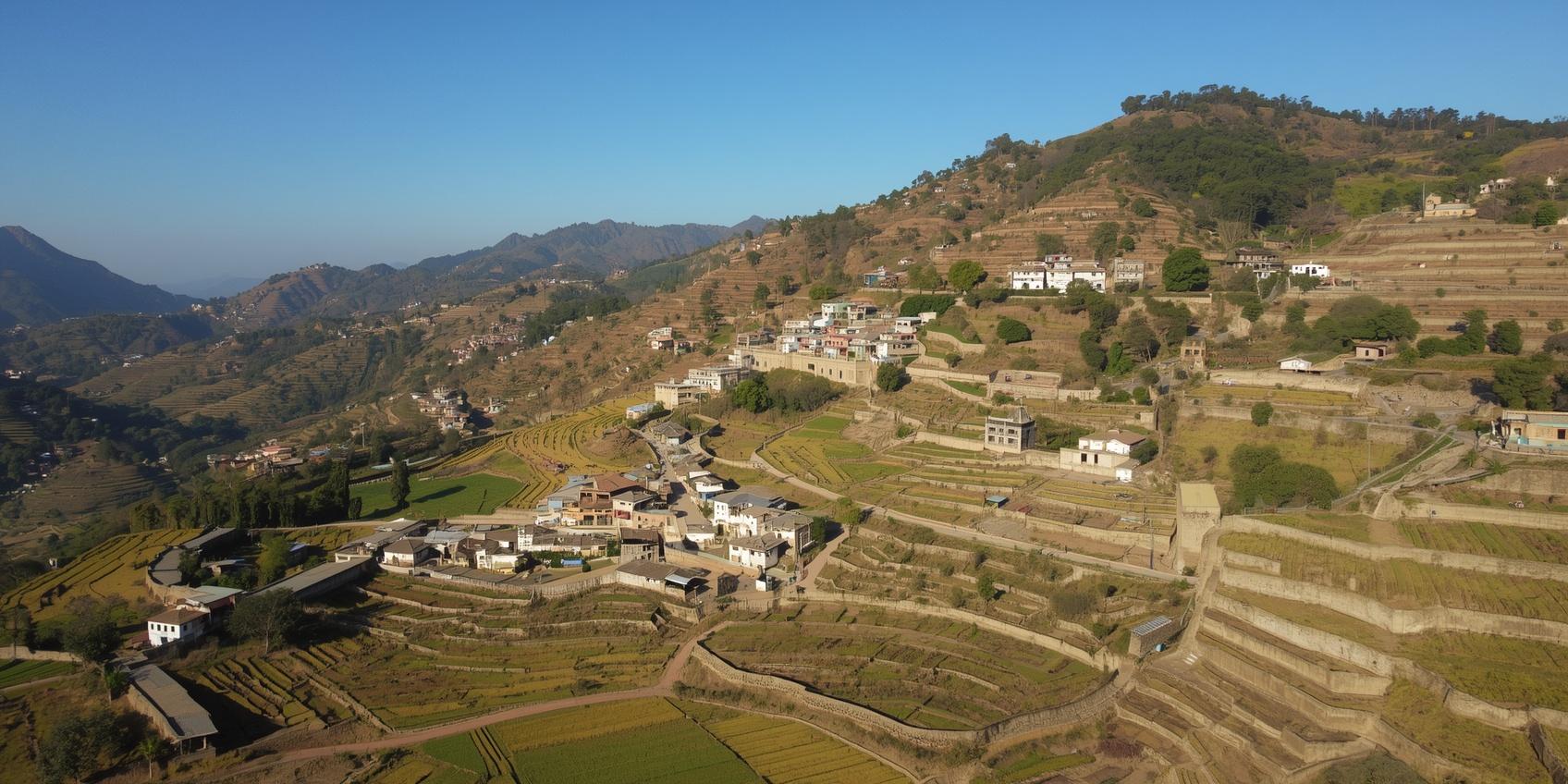

In a major push to accelerate development in remote and hilly regions, the Maharashtra Government has approved and released fresh funds under the Hill Area Development Programme for the financial year 2025–26. The move aims to fast-track infrastructure projects, clear pending works, and address region-specific challenges across several districts.
📊 Massive Budget Allocation for Hill Development
The state has earmarked a total budget of ₹255 crore for the Hill Area Development Programme in FY 2025–26. Out of this, a fresh tranche of ₹35.68 crore has now been released for immediate utilization.
- ₹21.52 crore allocated to 58 full-group talukas
- ₹14.16 crore allocated to 61 sub-group talukas
These funds will be routed through the budgetary system and distributed to respective District Collectors for execution.
🏔️ Wide Coverage Across Maharashtra
The programme covers a large number of hilly and tribal regions:
- 77 full-group talukas
- 101 sub-group talukas
As per existing policy:
- Full-group talukas are eligible for ₹2 crore each
- Sub-group talukas receive ₹1 crore each
These regions include parts of Konkan, North Maharashtra, Western Maharashtra, Marathwada, and Vidarbha—areas that often face geographical and infrastructural challenges.
⚠️ Focus on Pending & Near-Completion Projects
The government has clearly directed that funds should be used strategically and efficiently, with priority given to:
- Spillover projects from previous years
- Works that are close to completion
- Projects that have already received administrative approval
Importantly, authorities have been instructed not to release final payments for any project unless a proper completion certificate is submitted.
📉 Strict Monitoring & Financial Discipline
To prevent misuse and ensure accountability, the government has laid down strict conditions:
- Funds must be used only for the approved purpose
- Immediate transfer to implementing agencies is mandatory
- Idle funds cannot be parked in bank or personal accounts
- Any unutilized funds must be returned to the government
Additionally:
- Monthly and quarterly expenditure reviews are compulsory
- Reconciliation with Accountant General records must be ensured
🏗️ Boost for Infrastructure in Remote Areas
The funds will primarily be used for:
- Road and connectivity projects
- Basic infrastructure in hilly and tribal belts
- Development works tailored to local geographic needs
This initiative is expected to significantly improve living conditions and economic opportunities in Maharashtra’s most underserved regions.
🎯 Big Picture
With this allocation, the Maharashtra Government is aiming to:
- Reduce regional development gaps
- Speed up delayed infrastructure projects
- Ensure efficient use of public funds
- Strengthen growth in remote and difficult terrains
Also read: Maharashtra Govt Issues Orders: Catch, Sterilize, Vaccinate & Tag Stray Dogs