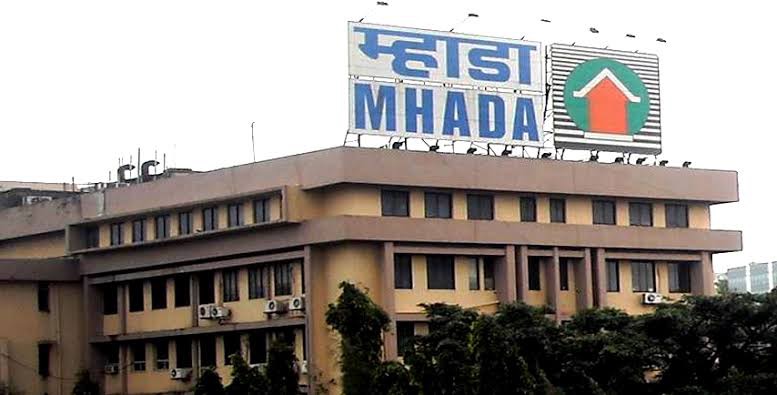

In a bold push to address Mumbai’s chronic housing shortage, the Maharashtra Housing and Area Development Authority (MHADA) has unveiled a comprehensive package of incentives aimed at spurring the construction of new rental housing projects in the Mumbai Metropolitan Region (MMR). Presented by MHADA CEO Sanjeev Jaiswal during a key stakeholder meeting, the proposals—targeting institutions and private developers—include enhanced Floor Space Index (FSI), tax waivers, and financial rebates to make rental developments financially viable and attractive.
The initiative, if approved by the state government, could unlock thousands of affordable rental units, easing the burden on low- and middle-income families while promoting sustainable urban growth. Jaiswal emphasized that these measures are designed to incentivize large-scale projects, allowing developers to claim benefits on capital investments and societies to build maintenance corpuses from development charges.

Boosting Construction Capacity: Additional FSI and Development Charge Rebates
At the heart of MHADA’s proposal is a significant relaxation in building norms to maximize space utilization. Developers will be permitted an additional FSI of 0.5 for Mumbai and 0.3 for the rest of MMR, offered free of cost to encourage vertical growth in rental projects.
Complementing this, 50% of development charges will be granted to housing societies as a corpus fund, providing a financial cushion for ongoing maintenance and upgrades. “This corpus will empower societies to sustain their properties long-term, turning rental housing into a self-reliant model,” Jaiswal noted, highlighting how these tweaks could reduce project costs by up to 15-20% for developers.
Tax Relief Package: Waivers on Property, Stamp Duty, and GST
To further sweeten the deal, the proposal includes robust tax exemptions tailored for rental housing schemes. Property tax will be fully waived for the first five years, dropping to 50% for the subsequent five years—a direct incentive to keep rentals affordable for tenants.
Stamp duty and registration fees have been pegged at a nominal Rs. 500, with state GST completely waived off. Additionally, for the first 10 years, 100% income tax exemption will apply to designated rental housing schemes, allowing developers to pass on savings to renters. These measures address key pain points, such as high upfront costs, which have historically deterred investment in the rental sector.
Empowering Developers: Capital Benefits and Reduced Loan Interest
MHADA’s plan extends targeted support to private players and institutions entering the rental space. Developers will be allowed to claim accelerated benefits on capital investments in rental projects, including depreciation allowances that accelerate returns on equity.
Interest rates on loans for rental housing could be reduced by up to 6%, making financing more accessible through tie-ups with banks and financial institutions. “These incentives are a clarion call to private developers: invest in rentals, and reap fiscal rewards that align with social good,” Jaiswal stated, underscoring the proposal’s dual focus on profitability and inclusivity.
Path to Approval: A Catalyst for MMR’s Rental Revolution
The proposals have been formally submitted to the Maharashtra state government for review, with expectations of swift clearance amid the ongoing push for affordable housing under the 2025 Maharashtra Housing Policy. If greenlit, they could integrate seamlessly with recent cabinet decisions on MHADA colony redevelopments, creating a synergy for over 50,000 new rental units by 2030.
Urban experts praise the move as a “forward-thinking blueprint” that could position MMR as India’s rental housing hub, reducing ownership pressures in a city where home prices have soared 300% in the last decade. Resident welfare groups, however, call for safeguards ensuring at least 40% of units remain below Rs. 10,000 monthly rent.
As Mumbai eyes sustainable density, MHADA’s incentives signal a shift from ownership-centric models to flexible, tenant-friendly rentals—potentially transforming the skyline and livelihoods across the region.