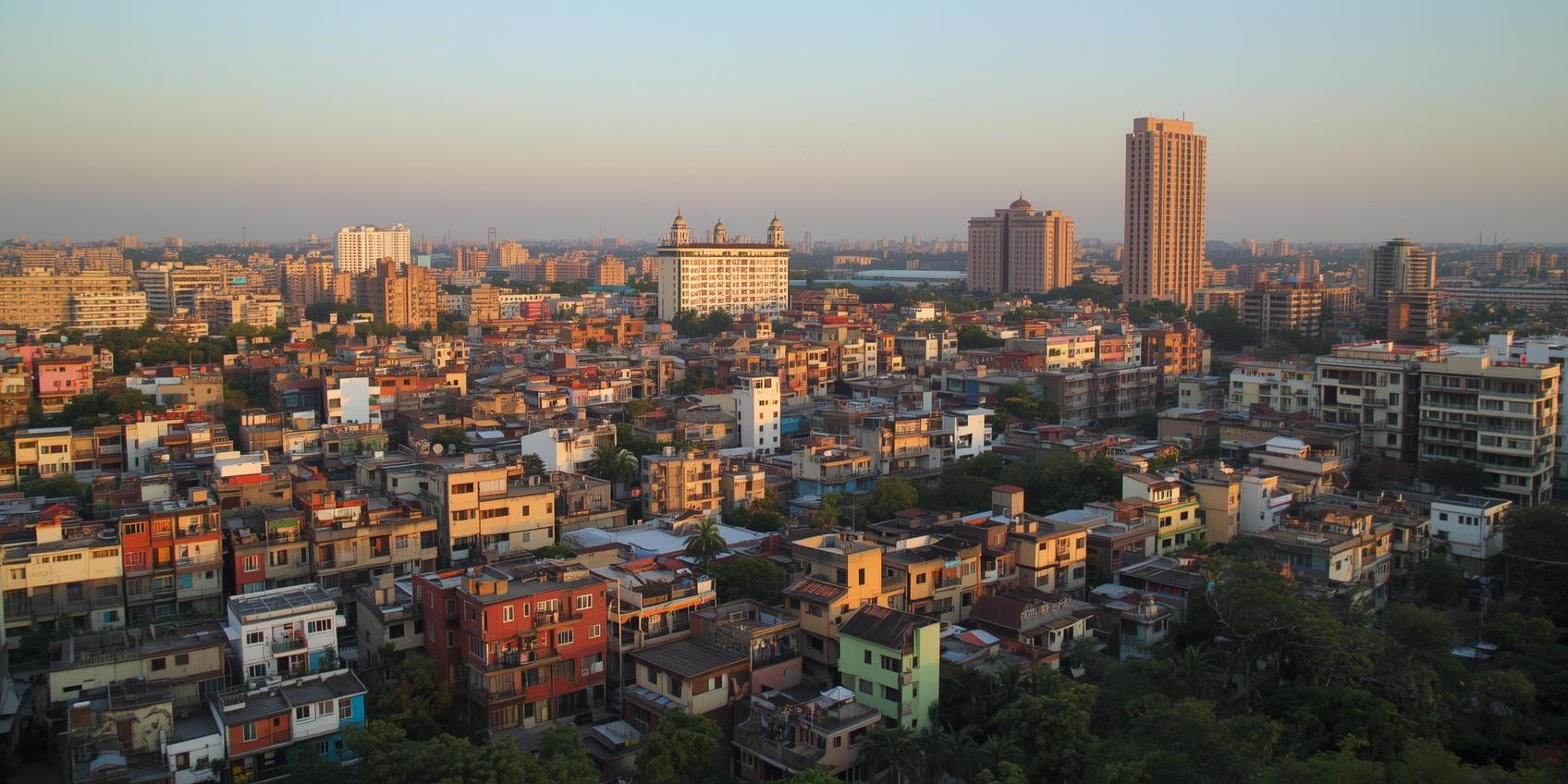

Housing price growth across India’s top eight cities moderated sharply to 6% in 2025, marking a significant slowdown from the 17% surge recorded in 2024, according to Real Insight – Residential CY 2025, the annual housing market report released by PropTiger.com.
The deceleration reflects a phase of price normalisation after two years of strong appreciation, even as demand remained resilient in select end-user-driven markets such as Bengaluru and Hyderabad.
Bengaluru, Hyderabad Buck the Trend
Among the eight major cities, Bengaluru and Hyderabad stood out with relatively stronger price momentum in 2025.
- Bengaluru recorded 13% annual price growth, up from 12% in 2024, driven by sustained end-user demand and strong absorption. During the year, prices rose 21% between Q1 and Q4 2025, pushing average values to ₹9,500 per sq. ft. in Q4, making it India’s second-most expensive housing market, overtaking Delhi-NCR.
- Hyderabad saw prices rise 8% in 2025, compared to 3% growth in 2024, supported by steady demand and balanced supply additions.
Price Growth Cools Across Other Major Markets
In contrast, price appreciation slowed considerably across the remaining six cities:
- Ahmedabad: 8% growth (down from 10% in 2024)
- Mumbai MMR: 4% growth (sharp moderation from 18% in 2024)
- Pune: 1% growth (down from 16% in 2024)
- Delhi-NCR: 6% growth (after an exceptional 49% rise in 2024)
- Kolkata: 6% growth (down from 10%)
- Chennai: Prices remained flat after a 16% rise in 2024
At an aggregate level, average housing prices across the top eight cities increased from ₹7,451 per sq. ft. in 2024 to ₹7,874 per sq. ft. in 2025.
Market Shows Consolidation, Not Weakness
According to the report, housing prices continued to firm through 2025, rising an average 8% between Q1 and Q4, indicating stability rather than overheating.
Commenting on the trend, Onkar Shetye, Executive Director at Aurum PropTech, said Mumbai MMR reflected price consolidation in its premium segments, while Pune and Ahmedabad remained broadly stable. Delhi-NCR and Kolkata saw measured growth amid selective demand, while Bengaluru and Hyderabad benefited from strong end-user-driven absorption.
He added that resilient pricing despite moderating sales volumes reflects a disciplined, supply-calibrated market, with developers protecting price integrity and managing inventory prudently heading into 2026.
Inventory Levels Remain Comfortable
The report noted that inventory overhang stayed within comfortable limits, indicating that supply did not materially outpace demand. Unsold inventory growth was more visible in higher ticket-size segments, where decision cycles are longer and liquidity is lower.
According to Shetye, the combination of stable quarterly price increments, controlled supply additions, and calibrated launches helped keep inventory levels well managed through the year.
Sales and Supply Decline in 2025
Despite price stability, housing transactions slowed during the year:
- Residential sales fell 12% YoY to 3,86,365 units in 2025, the lowest annual sales since 2022
- Q4 2025 sales declined 10% YoY to 95,049 units, the weakest quarterly performance since Q2 2023
On the supply side:
- New launches dropped 6% YoY to 3,61,096 units in 2025, the lowest since 2021
- Q4 2025 supply rose marginally by 4% YoY to 92,007 units
This combination of softer sales and moderated supply underscores a market transitioning from rapid growth to sustainable equilibrium.
Outlook for 2026
The PropTiger–Aurum PropTech report suggests that India’s housing market is entering 2026 on a stable footing, supported by disciplined developers, controlled inventory, and end-user demand in key markets. While price acceleration has cooled, the absence of distress signals points to a structurally healthier residential market.
Also Read: Property Prices Surge Significantly Along Yamuna Expressway