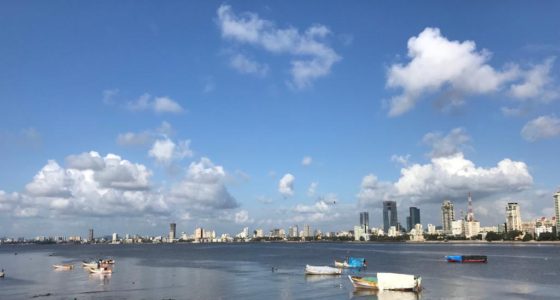

A geopolitical flashpoint thousands of kilometres away is now quietly reshaping Mumbai’s real estate market. The ongoing disruption in the Strait of Hormuz has triggered a ripple effect that is pushing up construction costs—and in turn, property prices—especially in South Mumbai’s ultra-luxury segment.
Shipping Shock Hits Real Estate Supply Chain
Since early March 2026, the blockade in the Strait of Hormuz has forced cargo ships to reroute via longer routes like the Cape of Good Hope. This has had immediate cost implications:
- Shipping delays have increased by 10–20 days
- Costs have surged by ₹1.5–3.5 lakh per container
- Marine fuel prices have touched ₹1 lakh per tonne
- War-risk insurance and rerouting charges have significantly increased logistics expenses
For a sector heavily dependent on imported materials—like steel, aluminium, and luxury finishes—this is a major disruption.
Construction Costs Surge Across the Board
The impact is now clearly visible on key construction inputs:
- Steel prices have jumped ~20% to ₹72,000 per tonne
- This alone adds roughly ₹50 per sq ft to high-rise construction costs
- Aluminium prices have surged to around ₹3.5 lakh per tonne, especially after supply disruptions from Gulf countries
- Bitumen, crucial for infrastructure, remains elevated at ₹48,000–51,000 per tonne
- Imported luxury materials like Italian marble now cost an additional ₹50–150 per sq ft, pushing total installed costs to nearly ₹6,000 per sq ft
These increases come on top of an already steep rise—construction costs in cities like Mumbai have gone up ~39% in the last four years, now averaging around ₹2,780 per sq ft.
Direct Hit on Mumbai’s Luxury Housing
The impact is most pronounced in Mumbai, particularly in premium micro-markets such as:
- Worli
- Bandra Kurla Complex
- Lower Parel
- South Mumbai
These areas house the bulk of the city’s 10,000+ luxury units currently under construction, all of which rely heavily on imported materials.
According to industry data, India recorded 59 ultra-luxury home sales (₹40+ crore) in 2024, worth around ₹4,754 crore—with Mumbai contributing ~88% of both volume and value.
Worli alone has seen ₹5,500 crore worth of ultra-luxury sales in just two years, accounting for nearly 40% of such transactions nationwide.
Will Prices Rise? Almost Certainly
Developers are now facing a clear choice: absorb rising costs or pass them on. Early signals suggest:
- Luxury housing prices may rise by 5% or more
- Cost escalation is more acute in high-rise and sea-facing premium projects
- Imported fittings and finishes will see the highest inflation impact
Unlike affordable housing, luxury buyers are less sensitive to price hikes, making this segment more resilient.
NRI Buyers: A Key Variable
Another important factor is the role of Non-Resident Indians (NRIs):
- NRIs contribute 15–22% of high-end housing sales in cities like Mumbai and Delhi
- In many premium projects, their share goes up to 30% or more of total sales value
However, ongoing geopolitical tensions have disrupted travel routes, making site visits and deal closures more difficult, which could temporarily slow momentum.
A Delayed but Inevitable Impact
Even if the situation normalises soon, the impact will linger:
- Shipping backlogs could take 2–8 weeks to clear
- Costlier freight contracts and insurance premiums will remain locked in
- Full supply chain normalisation may take 1–3 months
This means developers will continue to face elevated input costs well into 2026, affecting project timelines and pricing strategies.
The Bigger Takeaway for Homebuyers
For South Mumbai buyers and investors, the message is clear:
- Construction cost inflation is real and immediate
- Luxury project prices are likely to move upward
- Delays in project delivery may increase
In essence, a global shipping disruption has translated into a local price trigger for Mumbai real estate.
As Dr. Prashant Thakur aptly points out, the current crisis has exposed vulnerabilities in India’s construction supply chain—making a strong case for greater self-reliance in materials sourcing.
Also Read: Iran Conflict Puts Dubai Real Estate Under Watch: Sentiment Shock or Structural Risk?