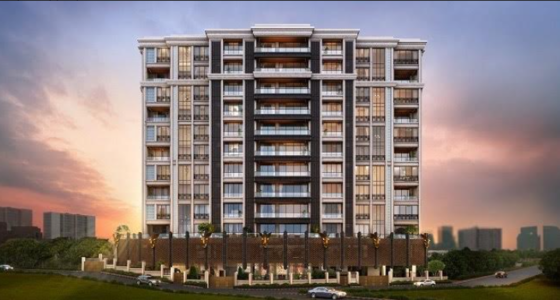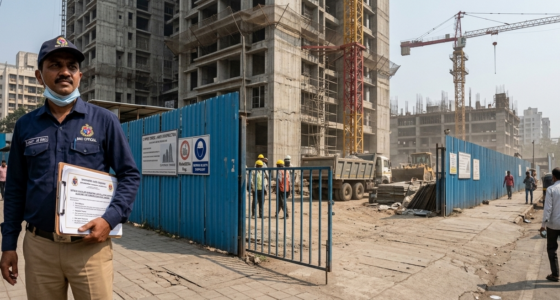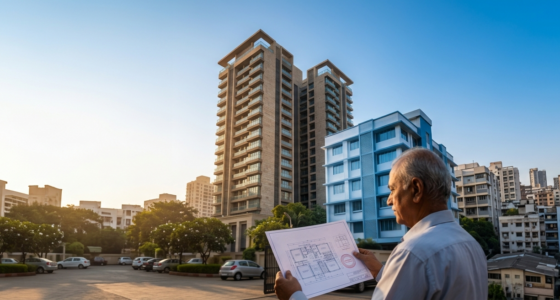
Ayodhya, once known only as a spiritual pilgrimage site and the birthplace of Lord Ram, is now at the center of one of India’s most extraordinary real estate booms. With the construction of the Ram Janmbhoomi Mandir, massive infrastructure development, and an unprecedented tourism surge, Ayodhya is rapidly transforming into a high-value investment hotspot.
🛕 From Pilgrimage to Property Goldmine
The spiritual revival of Ayodhya has triggered a ripple effect across multiple sectors—especially real estate and hospitality. What was once a modest temple town is now witnessing land price appreciation up to 4.3x within just five years.
💹 Land Price Growth (2020–2025)
| Distance from Ram Mandir | 2020 Avg. Rate (INR/psf) | 2025 Avg. Rate (INR/psf) | Growth |
|---|---|---|---|
| 0–4 km | ₹2,500–3,200 | ₹12,600–15,500 | 4.3x |
| 4–8 km | ₹1,600–2,100 | ₹7,160–9,200 | 4.2x |
| City Outskirts | ₹850–1,050 | ₹3,520–4,400 | 4.1x |
The CAGR stands at 19%, with projections of 25% annual growth till 2035, making Ayodhya one of India’s most lucrative emerging markets.
✈️ Infrastructure as the Growth Engine
Ayodhya’s rise is powered by massive connectivity upgrades and urban infrastructure:
- Maharshi Valmiki International Airport: Now operational with flights to Delhi, Mumbai, and more.
- Purvanchal Expressway: Connecting Ayodhya to Lucknow and eastern UP.
- Modernized Ayodhya Dham Junction: Railway station with facilities on par with metros.
- High-Speed Rail & Riverfront Development: In progress under Ayodhya Master Plan 2031.
These developments are drawing interest from builders, hotel chains, and institutional investors, looking to capitalize on Ayodhya’s future potential.
🏨 Hospitality Sector: High Demand, Limited Supply
The explosion in tourist footfall — from 0.9 million in 2019 to 160 million in 2024 — has sparked a hospitality gold rush.
🏩 Current Inventory
| Category | Hotels | Estimated Rooms |
|---|---|---|
| 5-Star & Luxury | 1 | 80–100 |
| 4-Star | 5 | 220–250 |
| 3-Star | 17 | 500–600 |
| Budget/Guesthouses | 64 | 1,200–1,500 |
| Dharamshalas/Ashrams | 167 | ~3,500 |
Over 50 new hotel projects are under construction, with entries by Taj, Marriott, Radisson, Oberoi, and Ginger, aiming to cater to spiritual tourists and investors alike.
💸 Rental Yields & ROI in Hospitality
For investors, the hospitality sector in Ayodhya is highly attractive:
| Category | Yield (Conservative) | Yield (Optimistic) |
|---|---|---|
| 5-Star Hotels | 16% | 21% |
| 4-Star Hotels | 12% | 18% |
With peak occupancy hitting 87%+ during festivals like Deepotsav and Ram Navami, average hotel tariffs spike by 50–70%, often surpassing even Lucknow or Varanasi rates.
🏙️ The Rise of ‘New Ayodhya’
A flagship project under the Ayodhya Master Plan is the New Ayodhya Township — a 1,407-acre planned city along the Lucknow-Gorakhpur highway. This upcoming township will feature:
- Business districts
- Wellness resorts
- Greenfield cultural zones
- Residential clusters
Planned as India’s first river-centric smart city, it seamlessly blends modern living with heritage and offers immense scope for residential and commercial real estate.
🌐 Global Spiritual Capital — With Global Investment Interest
Unlike single-religion destinations like Mecca or Vatican, Ayodhya attracts diverse pilgrims and tourists from across faiths and countries. Its unique positioning, combined with India’s vast domestic population, positions Ayodhya as a top global religious tourism economy.
By 2030, Ayodhya is expected to receive 280–350 million visitors annually, potentially becoming the most visited religious site on Earth.
🧘 Cultural, Wellness & Heritage Real Estate
The next wave of development is focused on:
- Boutique homestays
- Vedic wellness centers
- Cultural hubs
- Riverfront retail spaces
The government is integrating AYUSH and spiritual healing tourism into its planning, creating long-term demand for alternative real estate formats.
✅ Why Investors are Betting Big on Ayodhya
- Massive Infrastructure Investment: ₹85,000+ crore allocated.
- Strategic Location: Central to major spiritual circuits (Varanasi, Prayagraj, Mathura).
- Footfall Boom: 433% YoY tourism growth in 2024.
- First-Mover Advantage: Ground floor entry in India’s next major city.
📝 Conclusion
Ayodhya is no longer just a spiritual destination—it is a real estate revelation. With a powerful mix of religious tourism, infrastructure development, hospitality demand, and smart city planning, Ayodhya is becoming a once-in-a-generation opportunity for investors, developers, and entrepreneurs alike.
In Ayodhya, faith is building the future—and the foundation is solid real estate.
Also Read: Mumbai’s Prime Properties Among 40 Enemy Assets to Be Auctioned on February 13, 2025