In a historic first, the Maharashtra government has announced a policy shift that will offer rental housing to slum dwellers who are deemed ineligible for free rehabilitation — a move that blends compassion with practicality as part of the Dharavi Redevelopment Project and broader slum policy reforms under the State Housing Policy 2025.
This is the first time that the government has formally recognized the housing needs of those who fall outside the eligibility criteria, offering them affordable, safe rental units instead of eviction or neglect.
🏚️ The Problem with ‘Ineligible’ Slum Dwellers
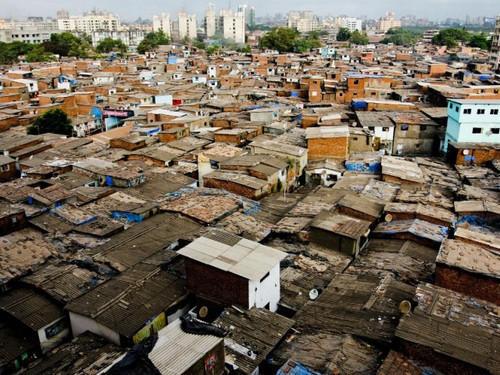
Historically, many residents in slum areas — especially those who settled after the cut-off date or lacked proper documentation — were labelled as “ineligible” and excluded from housing benefits under rehabilitation schemes. This left thousands without legal shelter or stability, even as redevelopment projects advanced.
In places like Dharavi, where over a million people live, this created a social and legal grey zone.
🏠 A Humane Policy Shift: Affordable Rental Housing
Under the new policy:
- Ineligible slum dwellers will be provided rental accommodation in government-built projects.
- These units will be affordable, secure, and located close to existing urban areas.
- This initiative will first be rolled out as part of the Dharavi Redevelopment, but is expected to be replicated in other major cities.
🔧 How It Will Work:
- A Special Purpose Vehicle (SPV) will be formed to oversee the construction and operation of rental housing blocks.
- A professional Asset Management Company will be appointed to manage maintenance, rent collection, and tenant services.
- Eligibility norms, rent structure, cut-off date, and allocation process will be outlined in a separate rental housing policy (to be released soon).
- The policy will include transparent mechanisms to prevent misuse while ensuring dignity for informal residents.
📢 Why This Matters:
This move is being hailed as “a dignified alternative to eviction” by urban planners and social housing experts.
It addresses two major concerns:
- The need to accommodate people who live and work in cities but don’t qualify for traditional rehabilitation.
- The importance of ensuring redevelopment projects like Dharavi don’t lead to mass displacement or unrest.
🗣️ Expert Speak:
“This is a paradigm shift. Recognizing that even ineligible slum dwellers are citizens with housing needs is a huge step forward. It offers legal shelter, dignity, and avoids the fallout of forced displacement.”
— Urban Housing Analyst, Mumbai.
🔄 Integrated with Broader Slum Redevelopment
- The policy also strengthens in-situ slum rehabilitation (ISSR) and cluster redevelopment.
- Redevelopment will now be linked to urban infrastructure and livelihoods, ensuring slum areas evolve into integrated, legal neighborhoods.
Also Read: Rental Price Growth Drops 50% In Top Cities as Housing Supply Surges