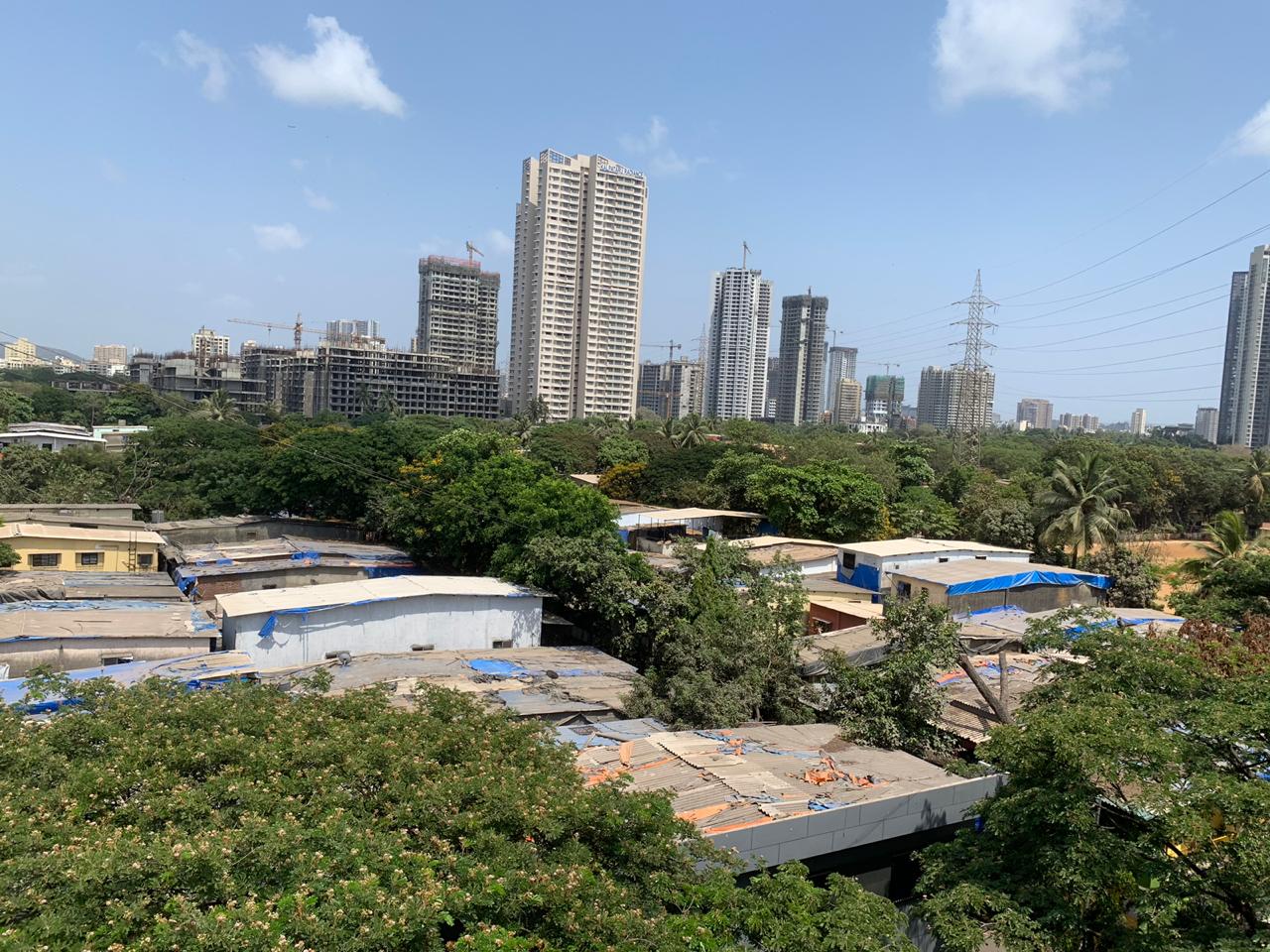

India’s construction sector is projected to grow by 7.1% in 2025, making it one of the fastest-growing construction markets in the IMEA region. However, this growth is being accompanied by significant challenges in risk management, insurance planning, and project protection, according to Marsh’s newly released Global Construction Risk Review 2025.
The report warns that India’s rapidly expanding infrastructure pipeline—spanning highways, industrial corridors, energy, and smart cities—requires an urgent upgrade in project-level risk strategies. While opportunities are plentiful, project viability and timely execution remain vulnerable to emerging financial, environmental, and operational risks.
📈 India Leads Growth, Lags in Risk Preparedness
According to Marsh, India’s 7.1% growth outlook in construction surpasses most regional peers, positioning the country as a major global construction hub. Yet, despite its momentum, the sector still lacks systematic approaches to managing risk, including real-time risk monitoring, advanced contract structuring, and insurance penetration across critical areas like cyber risk, delay in start-up (DSU), and surety.
🧮 Table 1: Top Construction Growth Markets – 2025 (IMEA)
| Country | Construction Growth Forecast |
|---|---|
| India | +7.1% |
| UAE | +5.4% |
| Saudi Arabia | +4.9% |
| Egypt | +4.3% |
| South Africa | +3.1% |
Source: Marsh Global Construction Risk Review 2025
⚠️ Risks Are Evolving — And So Must Risk Practices
Globally, the report found that the biggest challenges facing the construction industry include:
- Inflation and economic volatility (28.6%)
- Rising material costs (16%)
- Bidding and contract complexity (13%)
- Workforce availability and attrition (10.8%)
- Cybersecurity threats and supply chain instability
While these issues are global, their impact in India is intensified by the scale of ongoing and upcoming infrastructure investments.
🗣️ Quote:
“The Indian construction industry stands at a transformative moment, with unprecedented opportunities for growth… but this growth is intertwined with a complex web of risks,”
said Abhishek Shankar, Senior Vice President & Practice Leader, Construction, Marsh India.
🛠️ Where India Must Improve: Key Risk Areas
The report identifies three key domains where Indian construction stakeholders must act decisively:
1. Contractor Due Diligence and Risk Engineering
- Construction firms must adopt predictive tools, scenario planning, and real-time risk checks.
- Contract structuring should account for inflation-linked cost escalations and delivery uncertainties.
2. Insurance Program Optimization
- Adoption of surety bonds, cyber risk coverage, and DSU protection is still low.
- Firms need guidance on integrating global best practices into customized Indian risk environments.
3. Digital & Workforce Resilience
- Managing labour risks and cyber threats in complex project ecosystems is becoming critical.
- Investment in people management and IT security is now central to project success.
🗣️ Industry Commentary: India Needs to Move From Reactive to Proactive Risk Management
🗣️ Quote:
“The construction industry in India significantly contributes to GDP growth… but risk strategies must evolve in tandem with the scale of development,”
said Sanjay Kedia, President & CEO, Marsh India.
“By building upon data-driven insights and a deep understanding of the Indian market, we can help construction firms optimize their insurance programs and build resilience against emerging threats.”
🧭 A Maturing Insurance Ecosystem — But Not Fast Enough
As global insurers and reinsurers show rising interest in India, the domestic insurance ecosystem is also expanding. But Marsh notes that the market still lacks penetration in specialist risk covers like:
- Surety bonds
- Climate and sustainability risk
- Cyber event risk
- Delays in project start-up (DSU)
These products can enhance investor and lender confidence, especially in public-private partnerships (PPPs), long-gestation energy infrastructure, and complex urban development projects.
📌 Conclusion
India’s construction sector is poised to play a pivotal role in the country’s economic growth story. However, sustaining that momentum will require a radical rethink in how risk is managed—from boardrooms to project sites. As Marsh’s report highlights, this is not just about insurance; it’s about strategic foresight, operational discipline, and digital maturity.
India’s construction boom cannot afford to be risk-blind.