As the Union Budget 2026 approaches, India’s real estate sector is looking beyond short-term incentives and calling for long-term policy clarity, execution certainty, and affordability-led reforms to sustain momentum across housing segments—from redevelopment and mid-income homes to luxury real estate.
Industry leaders believe that rising construction costs, regulatory compliance, and financing pressures have structurally altered the economics of urban housing, making predictability and transparency more critical than concessions.
Developers Prioritise Policy Stability Over Incentives
Pakshal Sanghvi, Managing Director of Sanghvi Realty, highlighted that the next phase of real estate growth will hinge on policy consistency rather than fiscal giveaways.
“Construction costs, compliance requirements and capital costs have risen structurally over the past few years, while pricing power has remained selective. The next phase of growth will depend less on incentives and more on predictability—stable tax policies, faster approval frameworks and infrastructure-led planning. For developers, clarity is more valuable than concessions,” Sanghvi said.
He added that a Budget offering visibility on long-term urban development, financing access, and execution timelines would allow developers to plan responsibly instead of reacting to frequent policy shifts.
Redevelopment Needs Transparency and Faster Approvals
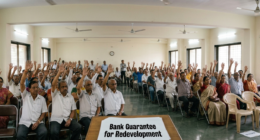
Echoing the need for process reforms, Ankita Luharuka, CEO of Alliance City Developers, stressed the role of the Budget in shaping safer and more livable cities, especially through redevelopment-led housing.
“For developers who work closely with redevelopment communities, clarity around approval processes, sustainability-linked incentives, and disciplined financial frameworks can go a long way in easing the transition from ageing housing to safer, more livable urban homes,” Luharuka said.
She emphasised that transparency and long-term planning not only support the real estate sector but also directly impact residents who place long-term trust in redevelopment projects.
Luxury Housing Seeks Market-Aligned Reforms
As luxury housing enters a more mature phase in 2026, the segment is seeking calibrated reforms that recognise its growing role in attracting long-term domestic and global capital.
Ankush Kaul, President – Sales, Marketing & CRM at Central Park, said the upcoming Budget presents an opportunity to reinforce growth through rationalised transaction costs and sustainability-focused incentives.
“The industry looks forward to rationalisation of transaction costs, clearer GST benefit transmission, and incentives that support high-quality, sustainable development. While affordable housing and infrastructure remain essential, calibrated measures that recognise the luxury segment’s ability to attract long-term capital will strengthen India’s positioning as a global luxury real estate market,” Kaul said.
Focus on Home Loan Affordability and First-Time Buyers
Manju Yagnik, Vice Chairperson of Nahar Group and Senior Vice President of NAREDCO Maharashtra, said Budget 2026 is crucial for expanding homeownership amid rising property prices and borrowing costs.
“The real estate sector is looking to Budget 2026 for measures that can meaningfully expand homeownership and strengthen the residential ecosystem, particularly for first-time and mid-income buyers,” Yagnik said.
She noted that the recent repo rate reduction has improved market sentiment, and the Budget can build on this momentum through fiscal measures that translate lower rates into real EMI relief.
“Enhanced interest subventions, longer and more flexible loan tenures, and targeted incentives for first-time buyers can help convert lower policy rates into meaningful affordability, especially in large urban centres,” she added.
Yagnik also called for an urgent review of housing incentive frameworks, suggesting that income and property value thresholds must be updated to reflect current urban market realities so benefits reach genuine homebuyers.
Budget 2026: A Test of Long-Term Urban Vision
Across segments, the common thread remains clear—developers and homebuyers alike are seeking certainty, affordability, and transparency. With urban housing under pressure from rising costs and infrastructure demands, Budget 2026 is being seen as a critical policy moment to reinforce sustainable growth rather than short-term stimulus.