
A top builder from South Mumbai sold his flat located in upmarket August Kranti Maidan at a lesser price. When asked, he replied requirement of liquidity as the reason for selling his flat at less.
By Varun Singh
The real estate market isn’t in good shape, builders are struggling for funds. And here is one such example of what a builder can do to generate liquidity.
A top builder from South Mumbai, in the first week of August sold a flat that was on his and his son’s name for liquidity.
He sold, the flat for Rs 16 crore, while the ready reckoner rate of the flat itself is Rs 20.78 crore.
The flat sold at lesser price was owned by builder Haresh Mehta of Rohan Lifescapes and his son Manav Mehta.
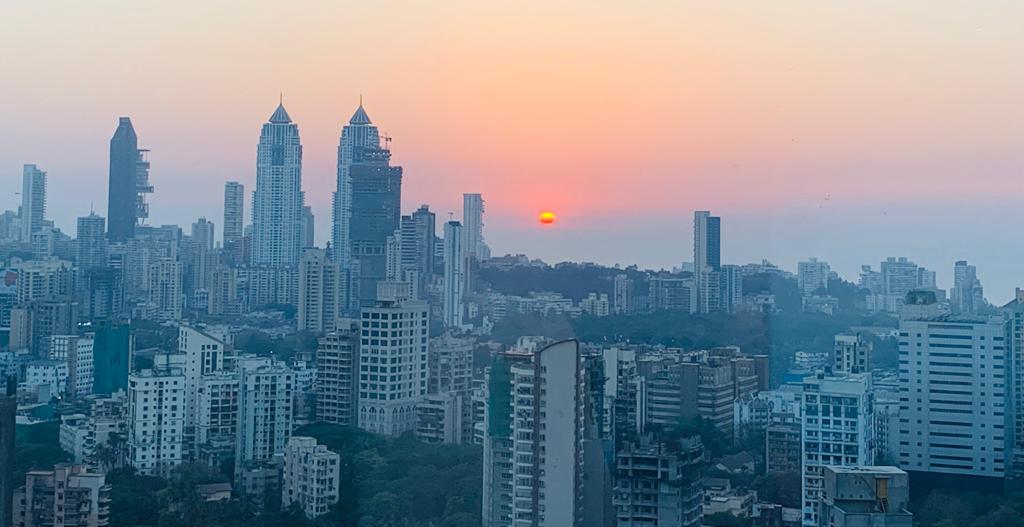
The flat was on the 33rd floor of the building named Le Palazzo located at August Kranti Maidan, Nana Chowk area of South Mumbai.
The buyers are residents of the same building’s 23rd floor. The carpet area of the sold flat is 2,316 square foot.
According to documents available with SquareFeatIndia.com the deal was signed on August 5, 2020. While the documentation was carried out on August 4, 2020.
Stamp duty of Rs 1.07 crore was also paid for the registration of the documents. Along with the flat, the buyers also got a room on the 9th floor of the building.
When contacted Haresh Mehta, seeking a response on why he sold his flat for such less a price?
Haresh Mehta replied in three simple words, “Requirement of Liquidity.”
Real estate sector is one of the worst hit businesses in the current times. Even before lockdown was imposed the situation wasn’t very good.
Not to scare anyone, but experts say that this is a preview of the real situation of real estate industry.
Sumeet Mehta, CEO, Paradigm Advisors, a Corporate Finance advisory firm says, “This shows that the builders are reluctant to go for a bank loan, because of the uncertainty in the market. With a loan the interest meter will go on thus further burdening the developer.”
Sumeet further added, a builder will prefer to sell his own assets and create funds because he can in future earn enough money to buy another property for himself. But a loan in the uncertain market is not a risk that conservative builders would take.
The real estate market for a very long time has been facing a slowdown. The lockdown because of the pandemic added further problem for them.
Many projects are stuck, as labourers walked back to their native place, sales are down, and with job losses the future of home buying is also uncertain.
Also Read: Reduce prices to survive or suffer: Goyal to builders
In June Central Minister Piyush Goyal had asked developer to reduce prices, if they wanted to survive the downturn.
However, the builder community wasn’t too happy with this suggestion coming from Goyal. They instead were looking from the central government packages and help that will enable them to survive the downturn.
Also read: HDIL’s Wadhawan had gifted Bandra bungalow to trust in 2018