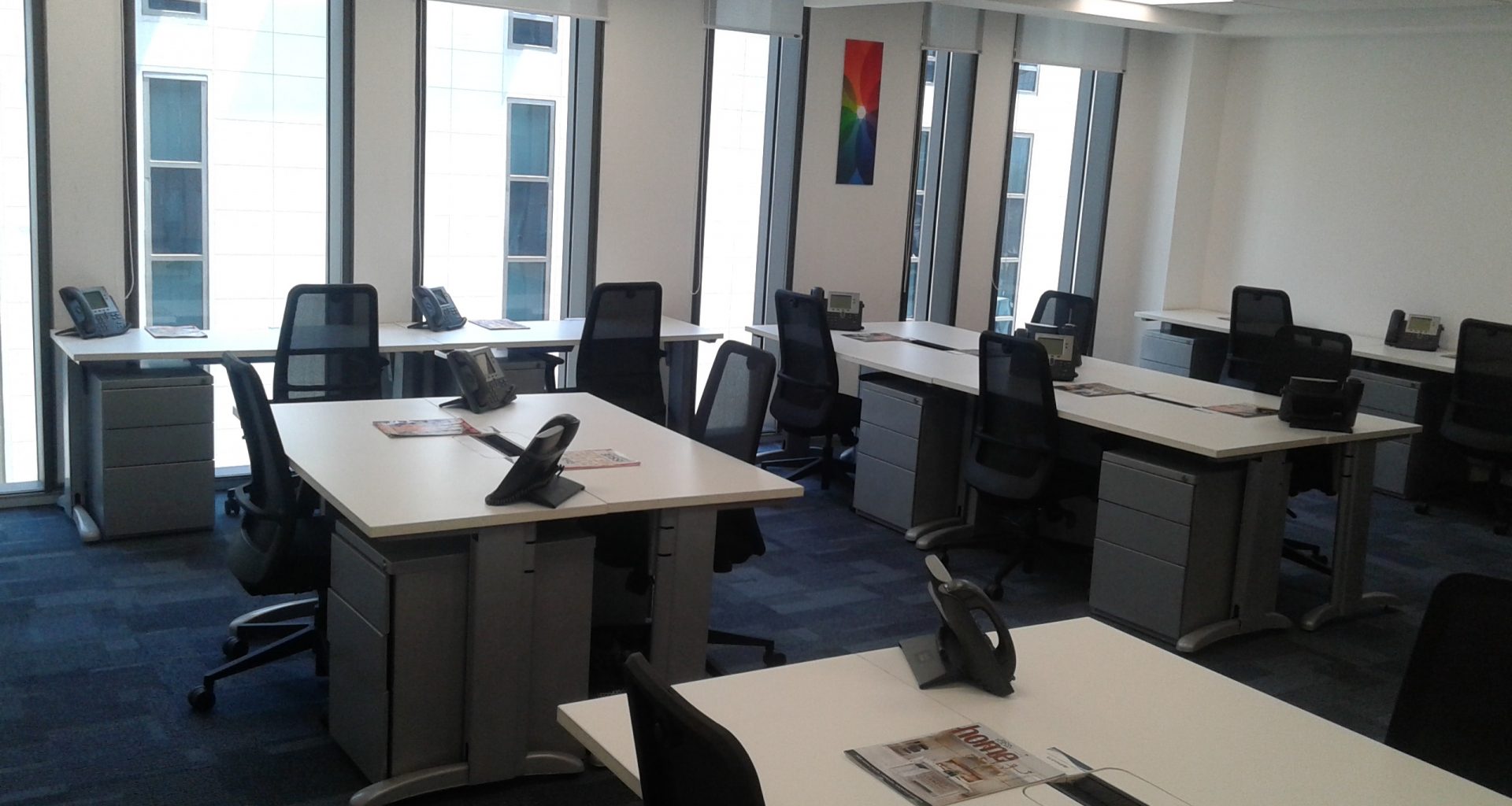

Co-working sector is one of those market that has been resilient through the pandemic and managed to survive and grow.
By Varub Sinhh
The COVID-19 pandemic has changed the way people work and will have long-term effects. The pandemic and lockdown restrictions impacted all segments of the economy.
In 2021, the co-working sector had a roller coaster journey, Following the first phase of the Covid, companies and professionals returned to work, kicking out the year with a bang. The co-working space sector is resurrecting in the post-pandemic context, using the crisis as an opportunity.
Nakul Mathur, Managing Director of Avanta India says, “This is the ideal time for property owners to think ahead of the curve and collaborate with co working operators to make the best of their vacant real-estate spaces. This way, they can unlock the untapped potential of their vacant properties.”
Co-working is a concept in which professionals from various firms agree to share office spaces which provide a variety of advantages, including cost reductions, ease, leading edge infrastructure and decor, and networking possibilities. It is often seen as the way of the future. It has a promising potential. As a result, these spaces are regarded as one of the most rapidly rising trends in the corporate sector, particularly in the aftermath of the epidemic.
According to Good works, “There has been a huge surge in the number of co-working spaces recently both worldwide and in India. The total number of spaces is projected to hit almost 26,000 by the year 2022 – a 42% increase since last year, 2019. More than 2,500 new co-working spaces are being added worldwide per year.”
With that in mind, here are some of the most important co-working trends affecting the market as we approach 2022.
Hybrid workspaces:
Hybrid work spaces are the future of co-working since they are working models that are meant to provide employees maximum flexibility while preserving the physical element of working. In this approach, a worker may choose to login from home or occupy an office location while doing their daily tasks.
They are also regarded as the future of co-working as major corporations seek ways to reintroduce their workers without compromising the mobility and comfort that they have become accustomed to while working from home.
Meanwhile, co-working can save businesses money on office space and provide economic opportunity for other facility owners as hybrid co working spaces can be found in hotels, restaurants, and other locations. The facility owners want to take advantage of the potential to expand their operation and find new ways to generate more money. Depending on the time of the day, restaurant, gyms, and event facilities might be used as cool working spaces.
“Several companies across the globe had asked their work force to work from home and increasing number of people now want a mixture of working from home and going back to the workplace. As highlighted in a survey by Prudential, “68% of global workers now prefer a hybrid workplace model where there exists a flexibility to work outside the office occasionally.” From the cost-saving perspective, both organisations and employees have saved a great deal of expenses from the hybrid model. In the post-pandemic world, a mix of office and work from home arrangements are going to be an omnipresent trend,” Mathur added.
Landlords Step Into the Co-working industry:
Due to the epidemic scenario, demand for traditional office spaces has dramatically decreased, resulting in a decrease in rent and the conversion of houses into work spaces, which creates competition for co working operators as homeowners are introduced in the game.
Rather than collaborating with co working space providers, landlords and property investment groups are beginning to transform themselves into flexible office space providers in order to capitalize on this opportunity by developing their own flexible space and they will go head to head with the service providers after launching their own co working segments.
“Co-working as an industry never fails to surprise, and 2022 is likely going to witness yet another year of its relentless growth. Beating the pandemic blues, the co-working sector is going to see newer trends emerge, including but not limited to, adapting to the guidelines of wearing mask at public places, sanitation, hygiene, and social distancing, change of space layouts according to these mandates, price correction at individual market levels, and restructuring of co-working packages for corporations, start-ups, and freelancers.” says Siddharth Maurya, Resource Specialist – Fund Management.
Work Near Home will be more popular:
The epidemic prompted a significant shift to remote working throughout the world where companies have realized that they are unable to achieve desired employee productivity and social connect from work from home scenario. This can be influenced by a wide range of factors, Poor connectivity and colliding of work and personal life, a lack of availability of suitable work space and employees’ fear of commuting long distances in public transportation such as metro, buses and shared cabs and the organization understands and respects their employees and is prepared to spend for membership in co-working near their homes. This demand for suburban co working space will almost certainly result in the opening of new facilities in 2022.
Co-working is adapting as per the need:
The co working business has progressed significantly. Despite the pandemic, coworking spaces have shown to be incredibly robust, and are poised for development as they adapt to it and respond to the new remote work trend.
Also Read: Bhushan Kumar Of T-Series Paid Rs 167 Crore For Juhu Bungalow