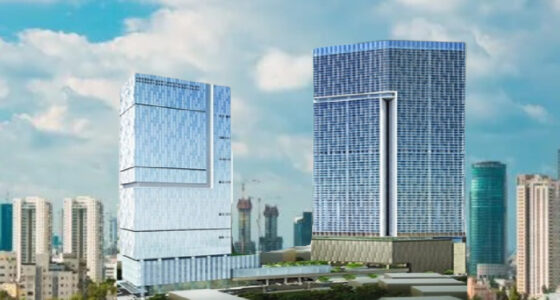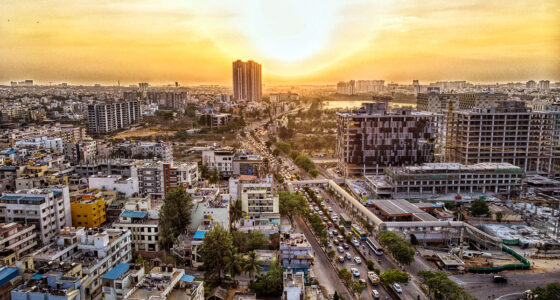

The commercial project COMMERZ II from Oberoi Realty, has received the LEED (Leadership in Energy and Environmental Design) Platinum accreditation for Operations and Maintenance. Commerz II has been honored by Green Building Certification Inc. (GBCI), the recognized authority on sustainability in building design, construction, and operation in India. This distinguished certification from the GBCI strengthens Commerz II’s status as an industry pioneer and sets a new standard for building projects that are ecologically responsible. This recognition demonstrates Oberoi Realty’s commitment to ecologically friendly and sustainable development methods. The LEED system’s Platinum accreditation is the highest degree of accomplishment, and COMMERZ II has satisfactorily fulfilled the requirements for this prestigious recognition.
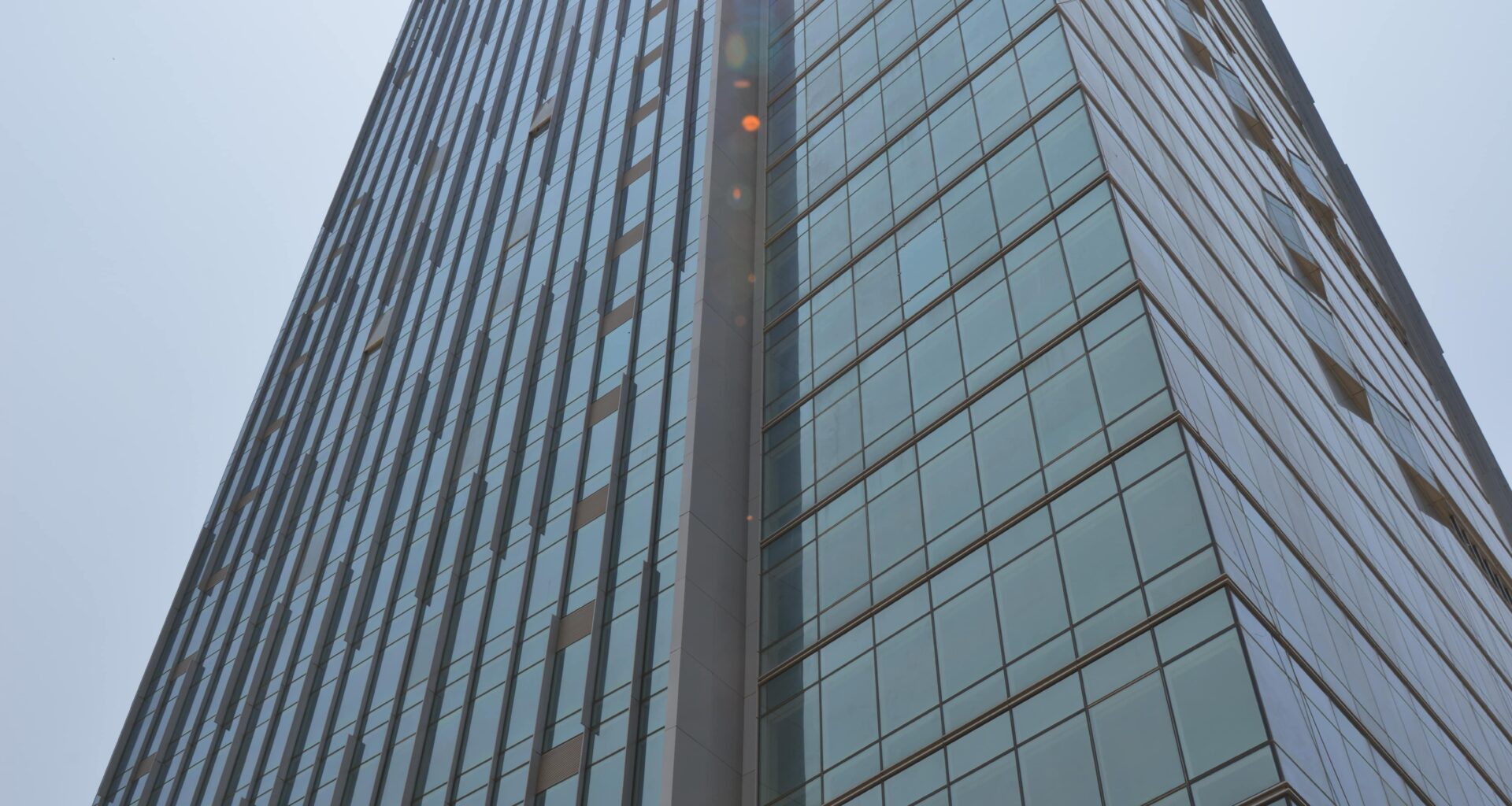
Commerz II is a 30-storey building with a contemporary and sophisticated design. The modern façade of the tower features a cutting-edge double-glazed glass facade system that offers excellent views of the picturesque Aarey environs along with plentiful natural light which boosts energy efficiency. The structure is centrally air-conditioned on the inside, offering a comfortable environment for its tenants. Security system include turnstile access control system, metal detectors and baggage scanners. Furthermore, the skyscraper has considerable parking space on the basement and podium floors, as well as a controlled access system.
Pankaj Gupta, CEO – Commercial Real Estate (CRE), Oberoi Realty Ltd, said, “We are honored to receive the LEED Platinum certification for COMMERZ II. This achievement underlines our dedication to creating sustainable spaces that benefit the environment and provide our customers with healthier and more efficient workplaces. Receiving the LEED Platinum certification for COMMERZ II is a testament to Oberoi Realty’s unwavering commitment to sustainable practices. We aim to set new benchmarks in the real estate industry by demonstrating that commercial projects can be both economically viable and environmentally responsible.”
Oberoi Realty is dedicated to developing projects that satisfy the highest design, construction, and finishing standards. Their creations epitomize exquisite craftsmanship and attention to detail, with an uncompromising focus on quality and elegance. Residents and companies alike benefit from the careful selection of prime locations, which ensures accessibility and value appreciation. Oberoi Realty’s passion for architectural quality and sustainability demonstrates its drive to develop distinctive structures that blend in with the surroundings. Timely delivery, a customer-centric approach, transparency, and a broad portfolio all contribute to their position as a market leader in luxury real estate.
Also Read: Oberoi Realty to acquire residential premises in Three Sixty West Valued at Rs 4k Cr