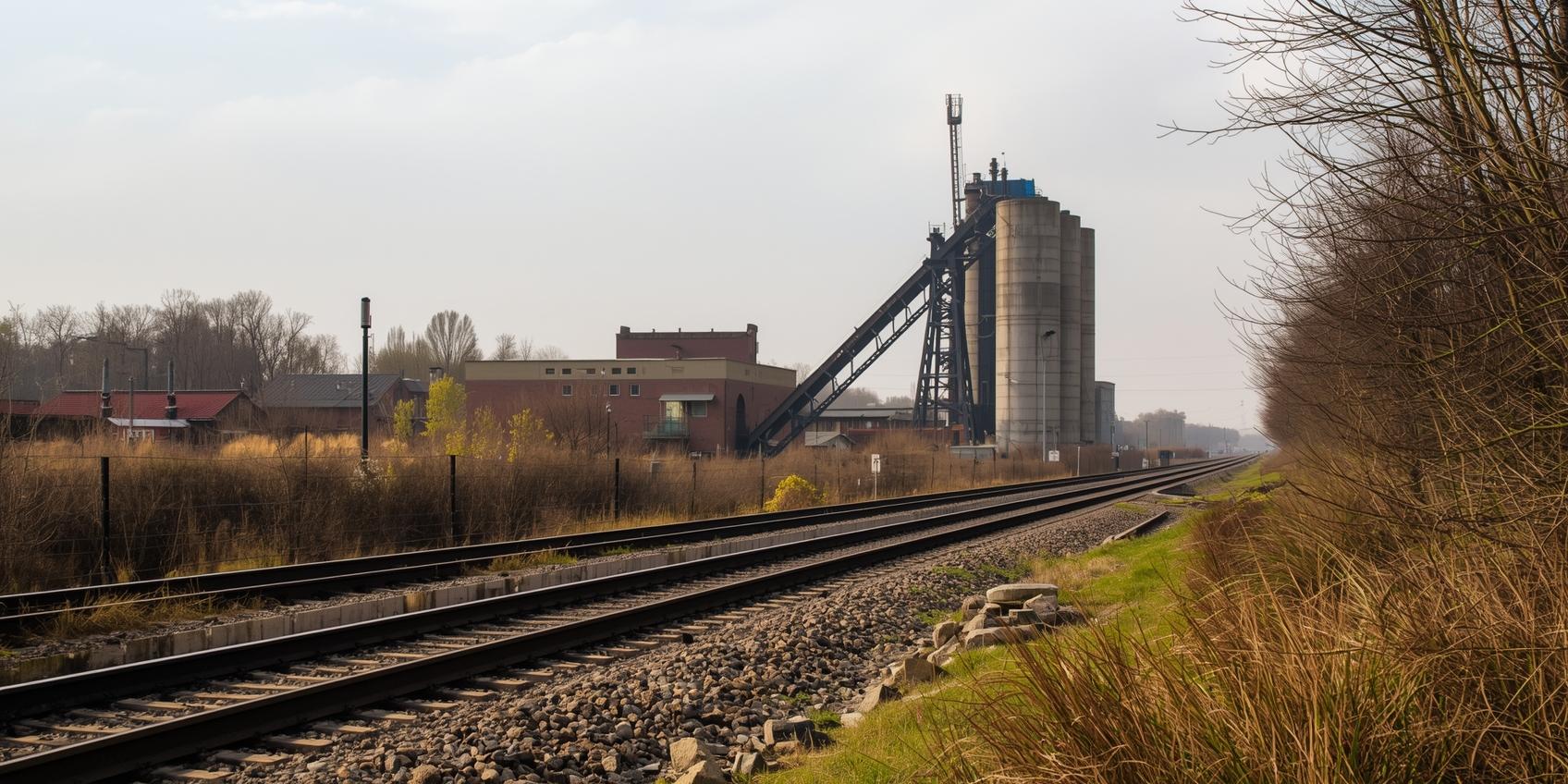

The Central Government’s draft proposal aims to exempt certain standalone cement grinding units from obtaining prior Environmental Clearance (EC) under the EIA Notification, 2006 — if they meet green logistics criteria, transporting all raw materials and finished products via railways or electric vehicles (EVs).
The Catch
The exemption applies only to units without captive power plants. While the government frames this as a push for “green logistics,” critics argue that the policy could have unintended consequences if multiple plants cluster in specific areas, such as Kalyan-Ambivali, where industrial growth is already noticeable.
Why Exemption is Being Proposed
Unlike integrated cement plants, grinding units don’t perform energy-intensive clinkerization. They produce lower carbon emissions, generate less waste, and consume less energy. Currently, they are still required to undergo the same clearance process as larger plants — a process many experts consider disproportionate.
Potential Risks
While the intention is to reduce regulatory burden and encourage clean transport, several concerns remain:
- Local Impact: Even low-emission units can cumulatively affect air quality, road traffic, and dust levels when concentrated in industrial clusters.
- Enforcement Challenges: Ensuring that 100% of transport occurs via rail or EVs will require strict monitoring — something that has historically been weak in many state pollution boards.
- Reduced Public Oversight: EC processes currently include public consultation. Exempting units may reduce transparency and limit the ability of residents to raise objections.
- Possibility of Loopholes: Without rigorous auditing, diesel truck transport may still occur, undermining the policy’s environmental objectives.
Expert Recommendations
The Expert Appraisal and Advisory Committees have endorsed the exemption, conditional on strict environmental safeguards, particularly for EV transport. However, experts emphasize that policy effectiveness will depend on continuous monitoring, enforcement, and local planning to avoid industrial overcrowding in sensitive areas.
Constructive Way Forward
While the exemption could streamline approvals and reward greener logistics, it should be accompanied by:
- Caps on plant density in specific towns or industrial corridors.
- Mandatory local environmental impact assessments even for exempt units.
- Transparent reporting mechanisms for transport compliance.
Public Feedback Open
The draft notification invites comments for 60 days. Residents, environmental groups, and industry stakeholders can submit feedback to the MoEFCC.
Bottom Line
The move signals a push for regulatory efficiency and greener practices, but its success will depend on strict enforcement, local safeguards, and preventing industrial clustering from turning low-impact units into a cumulative problem for communities.
Also Read: Homes to be delayed, as cement, steel prices go up