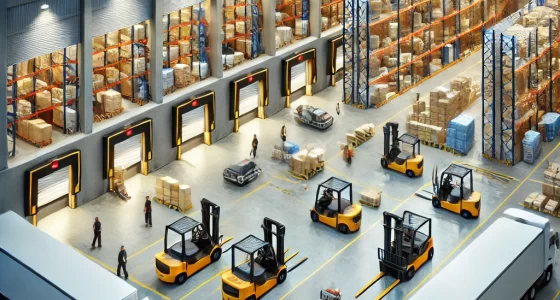

Every time you post a photo, stream a movie, or make a video call, that information travels to a real, physical place. These places are massive, high-tech buildings called data centers—think of them as giant, secure warehouses for the internet. Right now, a construction boom for these digital warehouses is happening across Asia, and Mumbai is right at the center of it all.
A recent industry report reveals that companies are pouring a massive
$180 billion into building new data centers across the Asia-Pacific region just this year.
So, Why the Sudden Rush? It’s All About AI
The main reason for this boom is the explosion of
Artificial Intelligence (AI). AI tools, like the ones that create images from text or answer your questions online, are incredibly hungry for computing power. To feed this hunger, tech giants like Google, Amazon, and Microsoft need more and bigger data centers, and they are spending billions to build them.
This isn’t just about building more of the same. These new facilities are being designed to handle the intense demands of both AI and existing cloud services, making them the powerful engines behind the technology we use every day.
What This Means for Mumbai
Mumbai is quickly becoming one of the most important hubs for this digital revolution in India. Here’s what’s happening in our backyard:
- Mega Campuses are Coming: Huge new data center parks are being built. A company called NTT is developing a massive 500MW campus in Navi Mumbai , while another project backed by investors Blackstone and Panchshil Realty is building a 500MW “AI campus”.
- Going Green: These buildings use a lot of electricity. Recognizing this, the Maharashtra government is pushing for “Green Integrated Data Centre Parks” that must run on 100% clean energy. Big companies like Amazon are already signing deals to power their new Mumbai centers with wind and solar energy.
- Space is Selling Out Fast: The demand is so high that finding space in Mumbai’s data centers is tough. They have a vacancy rate of just 5.4%, which is like trying to find an empty apartment in a popular housing society. Most of the space in buildings still under construction is already pre-booked.
Why Should You Care?
This boom isn’t just happening in a boardroom; it has a real impact on our daily lives. More local data centers can mean faster streaming for your favorite shows, quicker loading times for websites, and more powerful AI features on your phone.
It also means more jobs in technology and construction. While we may never step inside one of these secure digital fortresses, the boom in building them is reshaping our cities and powering our connected world.
Also Read: India’s Office Boom Narrows to 15 Hotspots