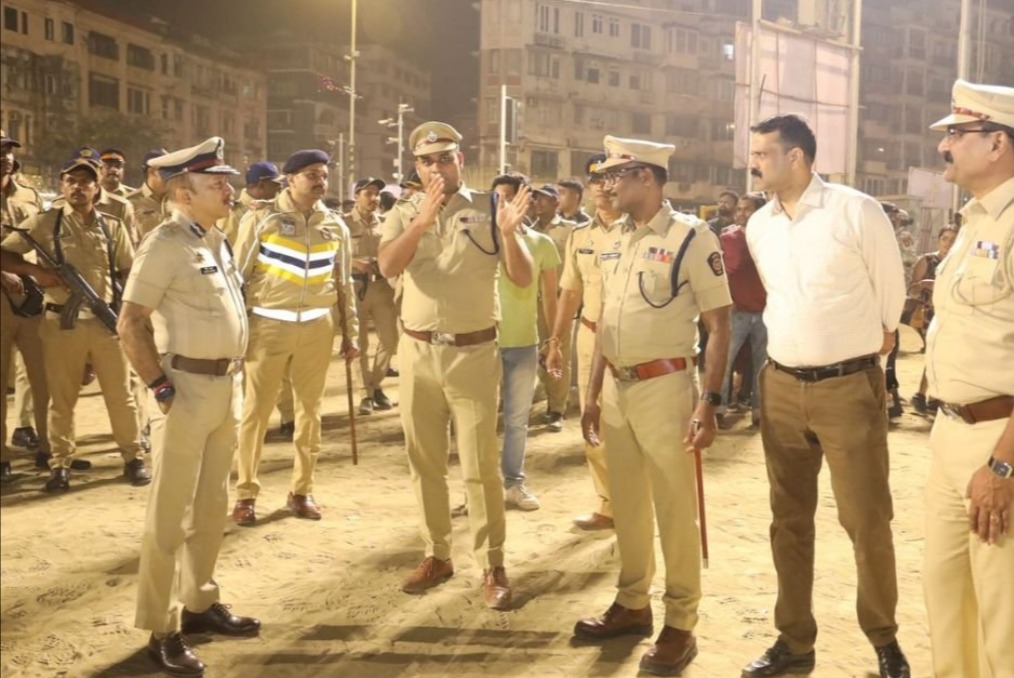

More than half of Mumbai’s police force is forced to commute from distant towns every day, travelling 80 to 100 kilometres to report for duty, as the city grapples with a severe shortage of police housing. The scale of the crisis has prompted the Maharashtra government to push forward a large Police Housing Township Project, which aims to construct around 45,000 residential units for police personnel across Mumbai.
According to official data, Mumbai Police currently has a sanctioned strength of 51,308 personnel, including officers and constables. However, only 19,762 police residential units are available within the city. As a result, nearly 50% of the force lives outside Mumbai, in areas such as Virar, Palghar, Kalyan, Karjat, Kasara, and Panvel.
Senior officials acknowledge that long daily commutes are affecting both operational efficiency and morale. Many personnel spend several hours travelling each day, leading to delays in reporting for duty, fatigue during emergency response, and strain on routine policing operations.
45,000 Homes Needed for Mumbai Police
To address the gap, the state government estimates the need for:
- Around 40,000 houses for police constables
- About 5,000 houses for Police Sub-Inspectors and Inspectors
- Additional residences for senior officers
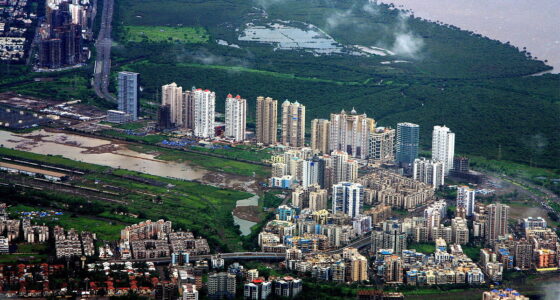
The proposed housing will be developed under the Mumbai Police Housing Township Project, using approximately 75 government plots across the city. The project is intended to create well-equipped residential townships close to police workplaces, enabling faster response times and improved law-and-order management.
High-Level Committee to Drive the Project
A High-Level Committee was constituted in October 2025 to study the project’s feasibility, planning, and implementation roadmap. On Tuesday, the Home Department issued a fresh Government Resolution modifying the committee’s leadership structure.
The change enables Iqbal Singh Chahal, the current Additional Chief Secretary (Home), to take over as Chairman of the High-Level Committee after his retirement. During his tenure as Home Secretary, Chahal oversaw key administrative and policing reforms and is expected to bring continuity and administrative experience to the housing project.
Under the revised arrangement, while a retired Additional Chief Secretary of Minister of State rank chairs the committee, the serving Additional Chief Secretary (Home) will continue as a member, ensuring coordination between the government and the committee.
Why Housing Matters for Policing
Officials note that adequate housing is not just a welfare issue but a critical operational requirement:
- Faster emergency response
- Reduced absenteeism and fatigue
- Better morale and retention
- Improved public safety outcomes
With Mumbai’s population and security responsibilities continuing to rise, the government believes that resolving the police housing shortage is essential for maintaining effective law and order in the country’s financial capital.
What’s Next
The High-Level Committee is expected to:
- Conduct a detailed feasibility and land-use study
- Prepare a phased implementation plan
- Submit recommendations to the state government
Funding, timelines, and execution models will be decided after the committee submits its report.
Also Read: Need for Housing Stock Through PPP: BMC Commissioner