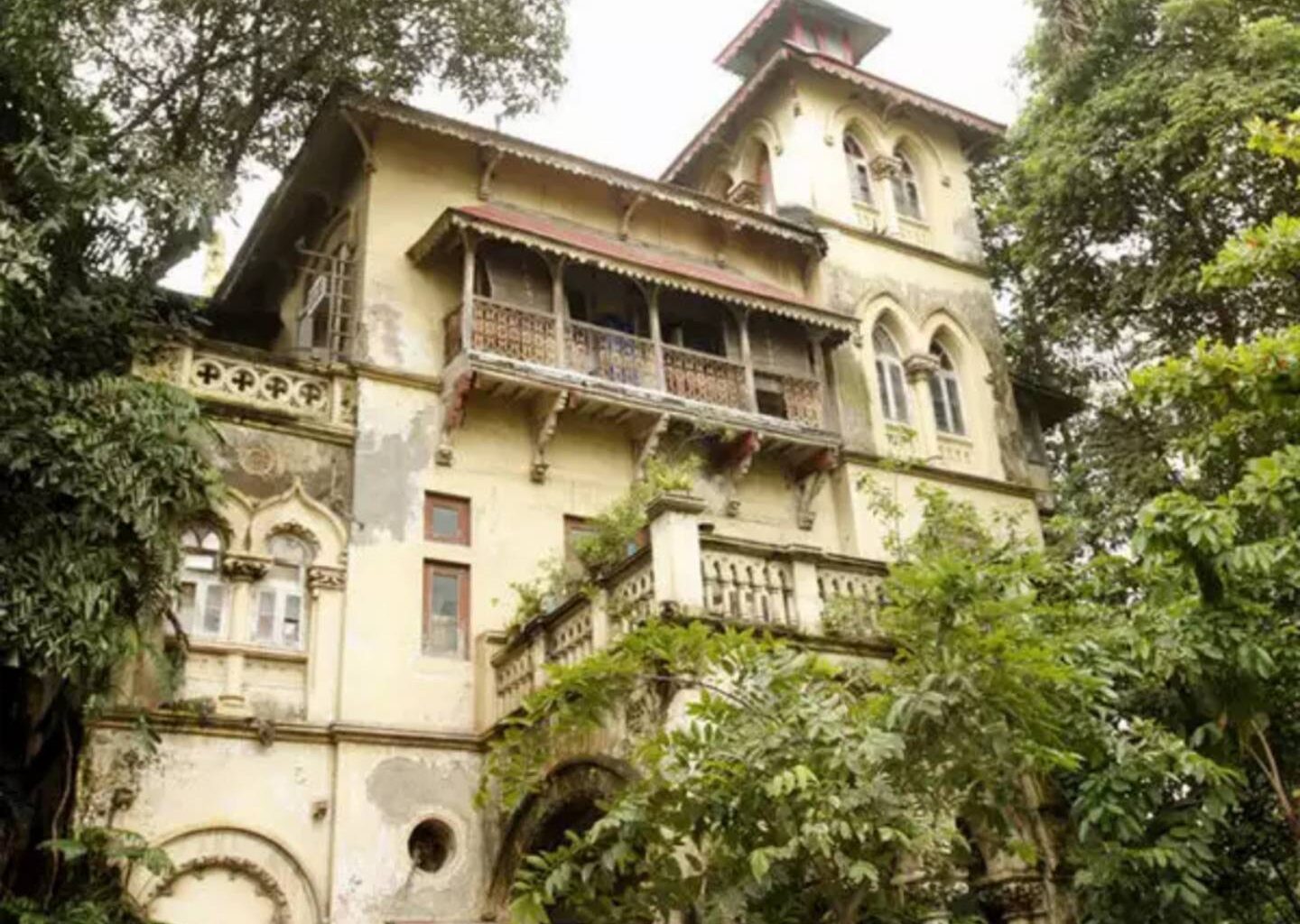

Mumbai’s real estate market has witnessed yet another high-profile transaction with the sale of Laxmi Nivas, a historic sea-facing bungalow on Nepean Sea Road, for a whopping ₹276 crore. The sprawling property, which once served as a secret hideout for freedom fighters during the Quit India Movement, has been acquired by Vageshwari Properties Private Limited, an entity linked to Nikhil Meswani, Executive Director and Board Member at Reliance Industries.
A Historic Landmark Changes Hands
Laxmi Nivas has a rich legacy, having provided shelter to key leaders of the Quit India Movement, including Ram Manohar Lohia, Jaiprakash Narayan, Achyut Patwardhan, and Aruna Asaf Ali between 1942 and 1945. It was also a crucial broadcasting hub for Netaji Subhash Chandra Bose’s Azad Hind Radio during this period.
The Kapadia family, which had purchased the bungalow from a Parsi family for ₹1.20 lakh in 1917, was the seller in this transaction. The property spans 2,221 sq. yards (1,857.02 sq. meters), with a built-up area of approximately 19,891.87 sq. ft. It also holds a redevelopment potential of 45,000 sq. ft., making it a prime real estate asset in South Mumbai.
The sale was executed through a transfer deed on February 28, 2025, as per property registration data accessed via Zapkey.
Mumbai’s Billionaire Property Boom
Laxmi Nivas is the latest addition to a series of mega real estate deals involving India’s top business families:
- Uday Kotak and his family bought 12 sea-facing apartments in Shiv Sagar Building, Worli Sea Face, for ₹202 crore.
- In 2024, Rekha Jhunjhunwala, widow of stock market veteran Rakesh Jhunjhunwala, made headlines for buying out almost all the units in a South Mumbai residential building to protect the Arabian Sea view from her Malabar Hill home.
- In 2023, D’Mart founder Radhakrishna Damani’s family and associates made one of the biggest property acquisitions in India, purchasing 28 housing units in Worli worth ₹1,238 crore.
South Mumbai’s Ultra-Luxury Real Estate in Demand
With prime locations like Malabar Hill and Worli witnessing record-breaking transactions, Mumbai continues to be India’s most expensive real estate market. The sale of Laxmi Nivas further reinforces the trend of business tycoons investing heavily in premium properties, whether for personal residences or redevelopment.
As Mumbai’s skyline evolves, the future of Laxmi Nivas remains uncertain. Whether it is preserved as a historic landmark or transformed into a modern luxury development, its legacy as a key site in India’s independence movement remains indelible.
Also Read: JSW signs MOU to restore and conserve the iconic David Sassoon Library & Reading Room in Mumbai