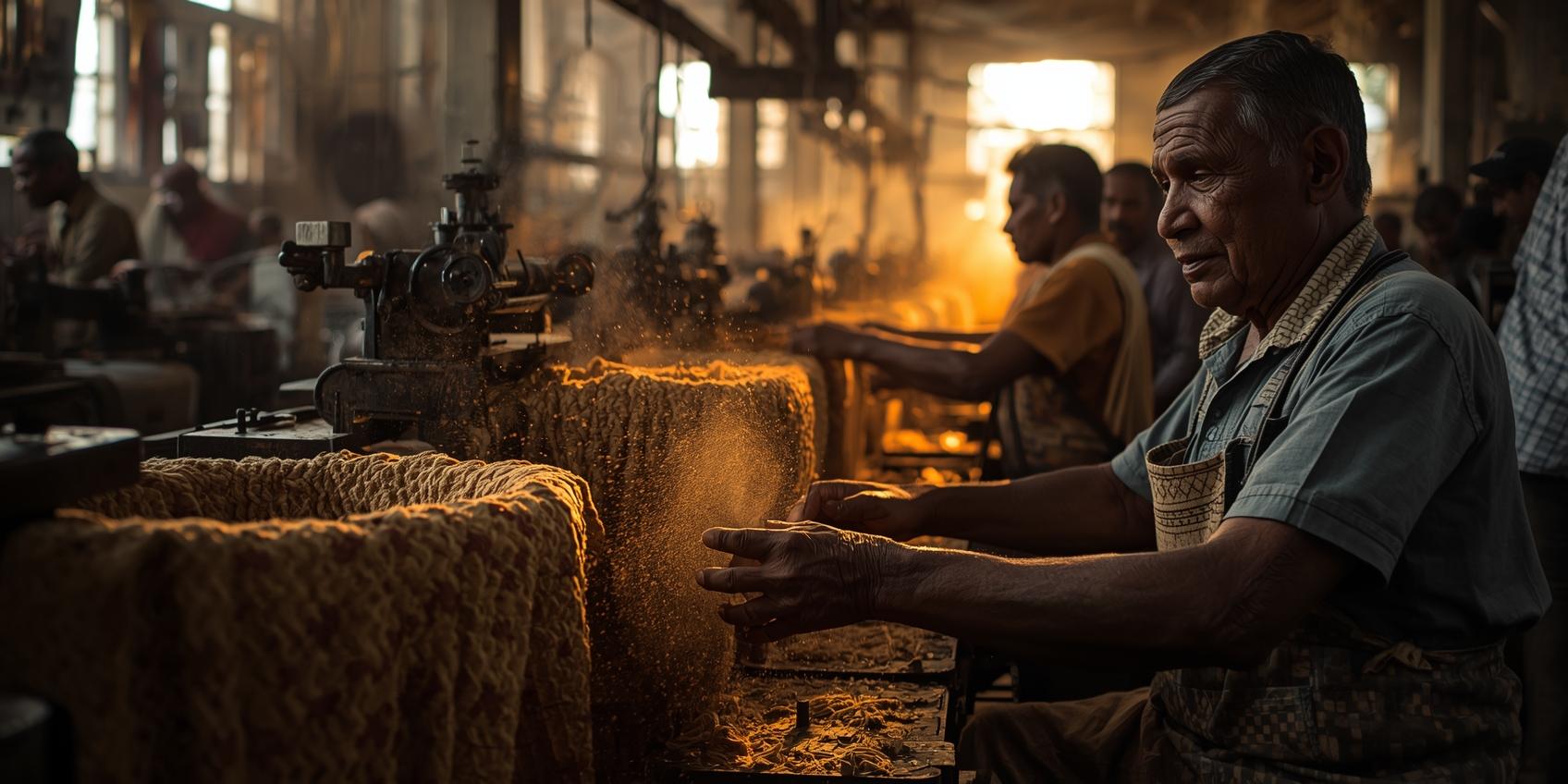

In a significant step toward addressing one of Mumbai’s longest-pending housing issues, the Maharashtra government has formed a high-level committee to explore options for providing homes to mill workers within Mumbai.
The decision follows a high-level meeting chaired by the Deputy Chief Minister (Housing) on March 13, 2026, where multiple demands from mill worker unions were discussed.
📌 Background: A 40-Year-Old Housing Promise
The issue dates back to the 1982 textile mill strike, after which several mills shut down across Mumbai. Workers and their families were promised housing within the city limits.
In 2024, the government had already approved a policy to provide homes to eligible mill workers and their heirs in the Mumbai Metropolitan Region. However, availability within Mumbai city itself remains a major challenge.
🏗️ What Has the Government Done Now?
To move things forward, the government has constituted a committee under the leadership of the Additional Chief Secretary (Housing).
👥 Key Members of the Committee:
- Additional Chief Secretary, Housing Department (Chairperson)
- Additional Chief Secretary, Urban Development Department representative
- Additional Chief Secretary, Finance Department representative
- Additional Chief Secretary, Labour Department representative
- Vice President & CEO of Maharashtra Housing and Area Development Authority
- Chief Officer of Mumbai Housing Board (Member Secretary)
🔍 What Will the Committee Do?
The committee will:
- Examine all possible options to provide housing within Mumbai
- Review land availability, policy frameworks, and redevelopment possibilities
- Prepare a comprehensive report with recommendations
- Submit proposals to the government for final decision
Regular meetings will be conducted to fast-track the process.
👨👩👧 What Does This Mean for Mill Workers?
🏠 Hope for Housing Within Mumbai
For decades, many mill workers have been offered homes in distant suburbs. This move reopens the possibility of getting homes within city limits, closer to workplaces and social networks.
📍 Better Livability
Living within Mumbai ensures:
- Better connectivity
- Access to jobs and services
- Improved quality of life
📈 Potential Value Upside
If homes are allocated within Mumbai, the asset value for beneficiaries will be significantly higher compared to peripheral locations.
🏙️ Impact on Mumbai Real Estate
This development could have wider implications:
1. Unlocking Land in Prime Areas
Mill lands are located in some of Mumbai’s most valuable zones. Any housing solution here could reshape land use dynamics.
2. Policy Shift Toward In-City Rehabilitation
The government may prioritize in-situ or nearby rehabilitation, instead of pushing beneficiaries to far suburbs.
3. Increased Role of MHADA
With Maharashtra Housing and Area Development Authority involved, execution could move faster with a structured approach.
🧭 The Bigger Picture
This move signals a renewed push by the Maharashtra government to resolve legacy housing issues while balancing:
- Land constraints
- Urban planning challenges
- Social justice commitments
If executed effectively, it could set a precedent for resolving other long-pending rehabilitation cases in Mumbai.
Also Read: HC Exposes SRA-Developer Collusion in Worli STP Land Grab