
The Maharashtra government has issued a detailed circular outlining stricter procedural safeguards while taking punitive action in cases related to illegal extraction or dumping of minor minerals, particularly focusing on how liabilities are recorded in land records such as the 7/12 extract.
The circular, issued by the Revenue and Forest Department, aims to address long-standing grievances related to arbitrary notices and indiscriminate financial burdens being imposed on landowners without proper verification of ownership and responsibility.
Clear Accountability Before Action
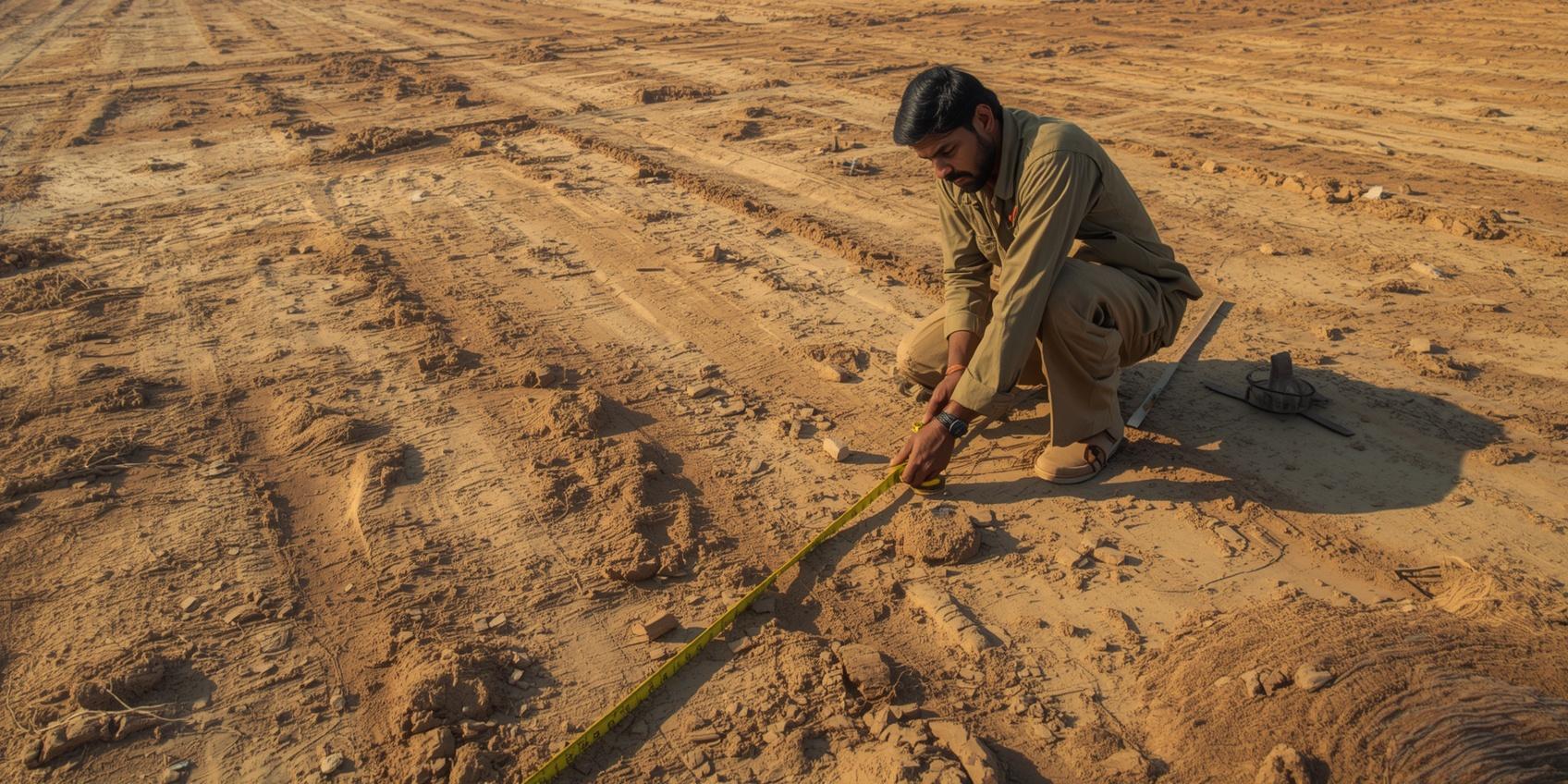
The government has now mandated that field Officer must exercise due diligence before initiating any punitive action. During site inspections and preparation of a formal report (panchnama), officials such as Talathis, Tehsildars, and Sub-Divisional Officers must clearly identify the exact portion of land where illegal mining or dumping has occurred and verify the specific ownership of that parcel.
Importantly, the process must be conducted in the presence of the concerned landowner and independent witnesses to ensure transparency and accountability.
Mandatory Verification and Site Inspection
The circular further directs that senior Officials must not rely solely on subordinate reports. Tehsildars or Sub-Divisional Officers are required to physically inspect the site, wherever necessary, to validate the findings before proceeding with any penalties.
Additionally, before imposing fines under relevant provisions of the Maharashtra Land Revenue Code, 1966, affected individuals must be given a fair opportunity to present their side. Authorities are also required to verify whether royalty receipts for mineral extraction have been maintained for up to one year, as per rules.
No Blanket Notices to All Co-owners
One of the most critical changes introduced through this circular is the prohibition of issuing blanket notices to all co-owners of a land parcel. Previously, in many cases, all joint holders of a land were served notices and penalties, even if the illegal activity was confined to a specific portion owned by a single individual.
The government has now clarified that action must be taken only against the individual whose land is directly linked to the violation. This move is expected to significantly reduce harassment of innocent co-owners.
7/12 Record Entries to Be Specific
The circular also provides clarity on how financial liabilities (encumbrances) should be recorded in land records. If a penalty remains unpaid, the amount may be entered as a charge on the 7/12 extract. However, such an entry must clearly specify the name of the individual responsible, rather than being applied generically across all co-owners.
This ensures that accountability is clearly fixed and prevents confusion or disputes in land transactions.
Background and Legislative Context
The directive follows discussions held during the 2025 Budget Session of the Maharashtra Legislative Assembly, where concerns were raised regarding misuse of provisions and lack of clarity in enforcement mechanisms related to minor mineral extraction.
The government had assured the House that a comprehensive circular would be issued to standardize procedures and reduce arbitrary actions by field officer.
Towards More Transparent Enforcement
With these new guidelines, the Maharashtra government aims to bring greater transparency, fairness, and legal clarity in handling cases related to illegal minor mineral activities. By emphasizing proper verification, individual accountability, and procedural fairness, the move is expected to strengthen enforcement while safeguarding the rights of genuine landowners.
Also Read: Railway Land in Maharashtra to Get Clear Ownership Records, Aiming to Reduce Encroachment Disputes