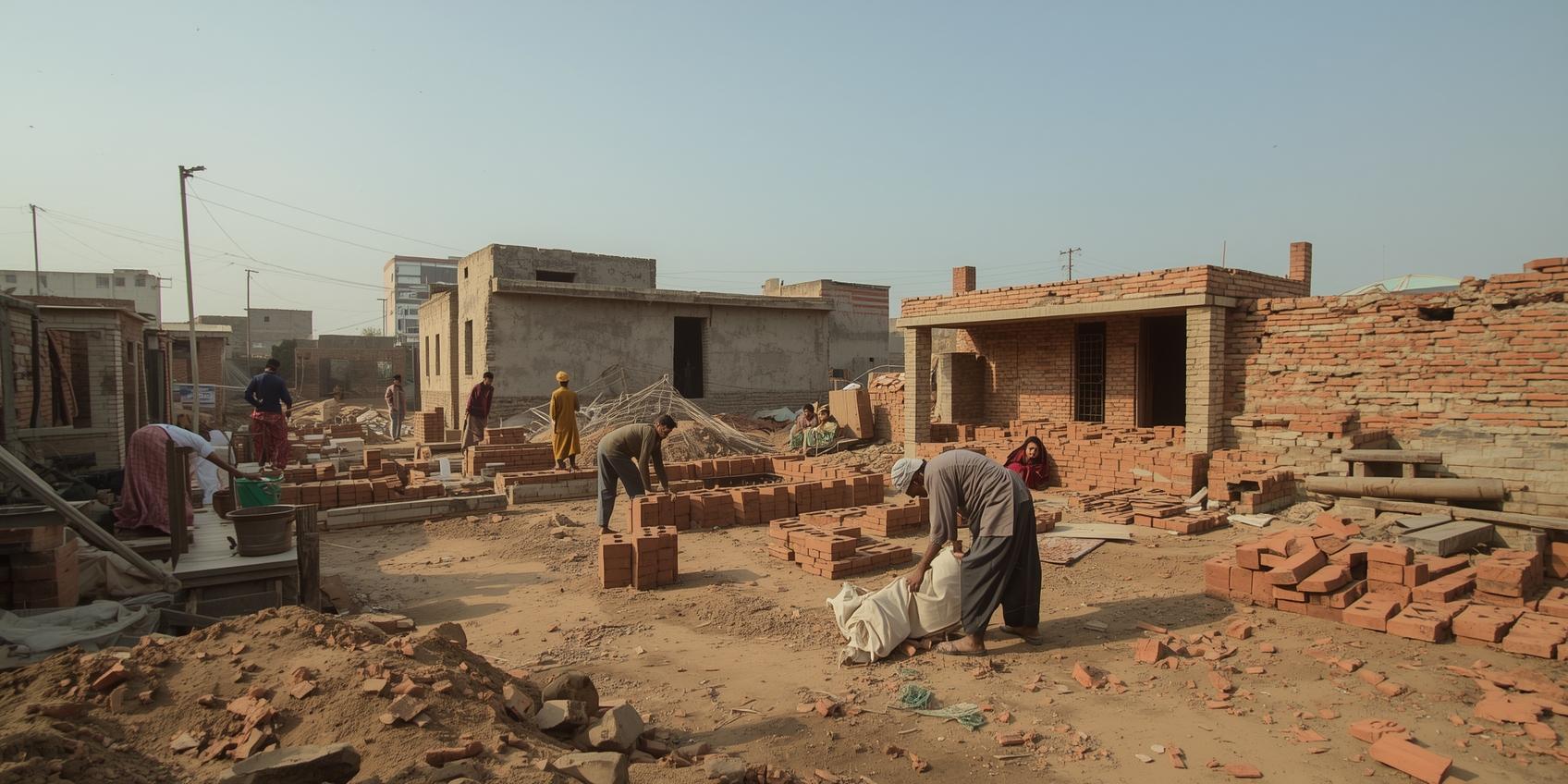

In a significant administrative reform, the Maharashtra Urban Development Department has introduced a strict 15-day approval timeline for construction plans under the Dalit settlement improvement scheme.
This move comes as part of a supplementary government order aimed at eliminating delays and ensuring faster execution of housing and infrastructure projects in urban marginalized communities.
📌 What Is the Scheme?
The order applies to the Annabhau Sathe Dalit Vasti Improvement Scheme, which focuses on improving living conditions in urban Dalit settlements by providing:
- Better housing
- Basic infrastructure
- Essential civic amenities
The scheme is implemented through district authorities and urban local bodies across Maharashtra.
⏱️ What Has Changed?
Previously, approvals for building layouts and construction plans were required—but no fixed timeline was defined. This often resulted in:
- Long delays in project approvals
- Slow execution of development works
✅ New Rule:
- All construction layouts and plans must be approved within 15 days
- Applies to:
- Municipal Councils → Approved by district-level planning authorities
- Municipal Corporations → Approved by city planning authorities
🏗️ Why This Decision Matters
1. Faster Project Execution
A defined approval timeline will significantly reduce bureaucratic delays and speed up project starts.
2. Better Use of Government Funds
Funds allocated for development often remain unused due to delays. This reform ensures quicker utilization.
3. Improved Governance and Accountability
Officials are now bound by timelines, increasing transparency and efficiency in the system.
👨👩👧 What Does a Common Citizen Gain?
🏠 Faster Housing Improvements
Residents will see quicker redevelopment and upgrades in their living conditions.
🚰 Better Infrastructure
Projects related to roads, water supply, sanitation, and public facilities will move faster.
📈 Improved Quality of Life
The scheme will help create safer, cleaner, and more organized living environments for urban marginalized communities.
🏙️ Bigger Impact on Urban Development
This move reflects Maharashtra’s shift toward:
- Time-bound project approvals
- Faster execution of welfare schemes
- Inclusive urban development
If implemented effectively, it could serve as a model for speeding up approvals across other housing and infrastructure schemes in India.