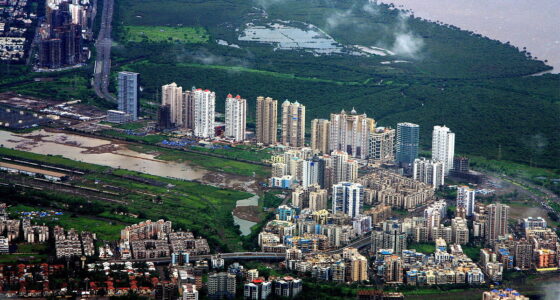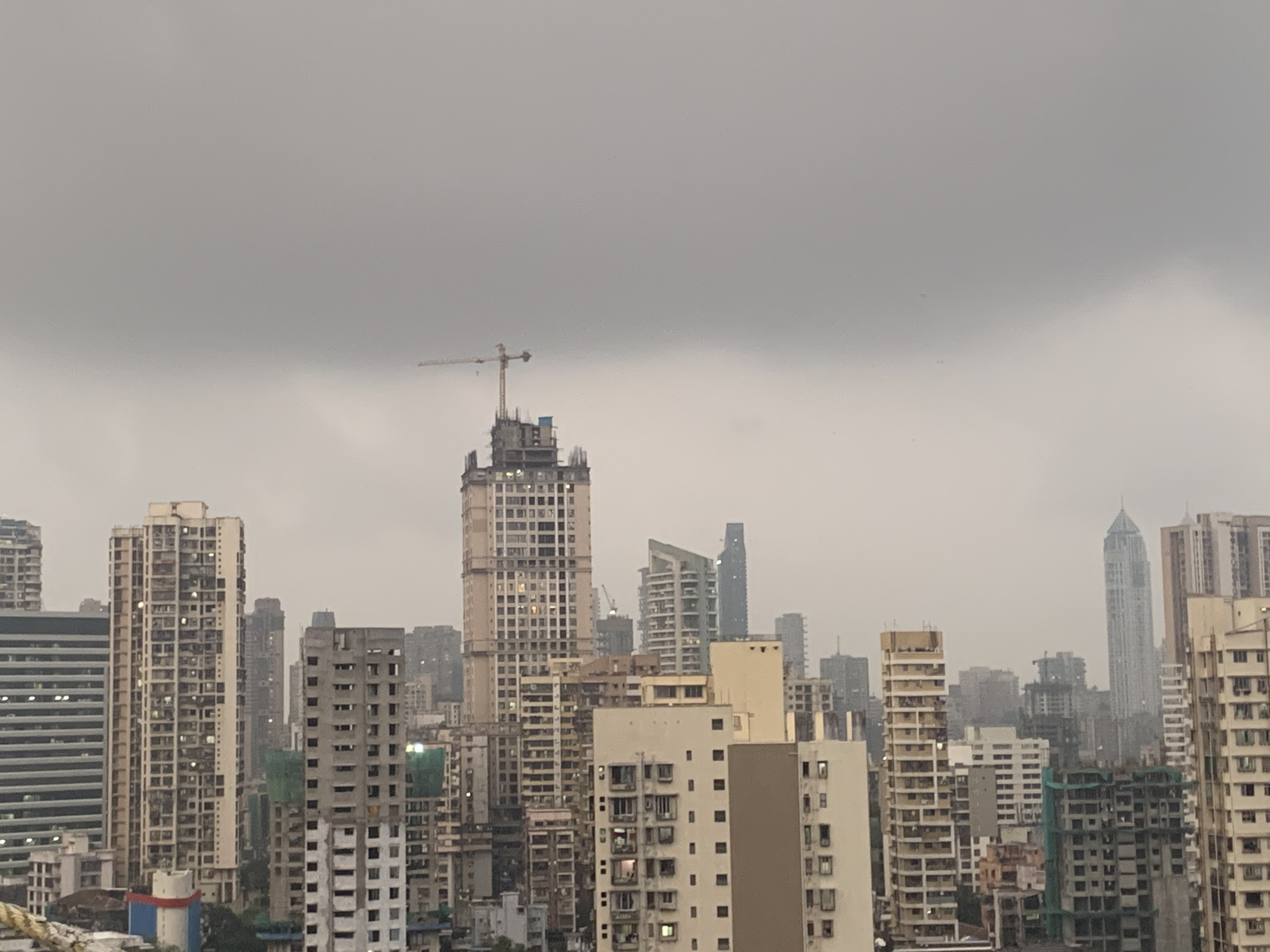
In a major push toward urban renewal, over 3,000 housing societies and 40+ developers convened at the Ease of Doing Redevelopment (EODR) 2.0, organised by CREDAI-MCHI, to discuss Mumbai’s redevelopment roadmap. The event, held at the Jio World Convention Centre, brought together key stakeholders across the real estate spectrum to address challenges and solutions surrounding the city’s aging housing stock.
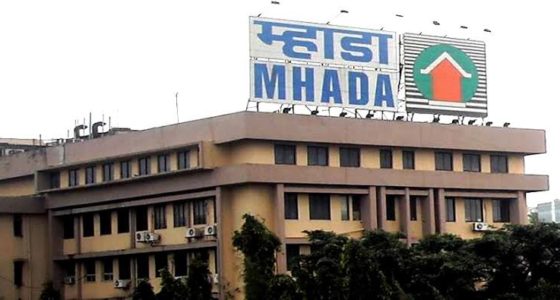
Addressing the gathering, Sanjeev Jaiswal (IAS), Vice President & CEO of MHADA, stressed the critical need for robust public-private partnerships to redevelop dilapidated buildings across Mumbai. He highlighted recent regulatory changes aimed at expediting stalled projects, including amendments to Section 91A, which allows MHADA to take over such developments.
“Land scarcity remains a fundamental challenge for Mumbai. The amendment under Section 91A is both timely and necessary. Section 79A now offers fair compensation to landowners, resolving long-standing bottlenecks in cess building redevelopment. Redevelopment must be transparent, viable, and delivered on time. FSI clarity and honest communication are essential to protect tenant rights and ensure project success,” Jaiswal said.
The one-day event facilitated live consultations between developers and societies, offering support in legal, financial, and technical planning for redevelopment. Stakeholders across the spectrum—urban planners, legal experts, architects, and housing society members—engaged in sessions to demystify the redevelopment process.
Boman Irani, President of CREDAI National and CMD of Rustomjee Group, urged societies to prioritise a developer’s credibility over financial allure. “The highest offer is not always the best. Evaluate the developer’s track record and financial capacity. Once you’ve chosen your committee and consultants, trust their process,” he advised, while warning against over-cautious delays.
Domnic Romell, President of CREDAI-MCHI and Director at Romell Group, addressed concerns about financial security, stating, “In today’s RERA-compliant environment, demands for excessive bank guarantees are outdated. Project funds are tightly regulated through escrow accounts. Residents must be aware of their entitlements, like the 35% fungible FSI, and make practical decisions.”
Dhaval Ajmera, Secretary of CREDAI-MCHI and Director at Ajmera Realty & Infra, noted that EODR 2.0 was designed to empower societies. “With over 3,000 societies and 40+ developers participating, our goal is to streamline processes and rebuild trust. Societies now have the resources and guidance to convert aging buildings into secure, modern homes,” he said.
CREDAI-MCHI’s EODR 2.0 concluded with a shared commitment from developers and housing societies to move forward with transparent, efficient, and resident-focused redevelopment practices in Mumbai.
Also Read: CREDAI Pledges to Construct 4000 Green Projects by 2030