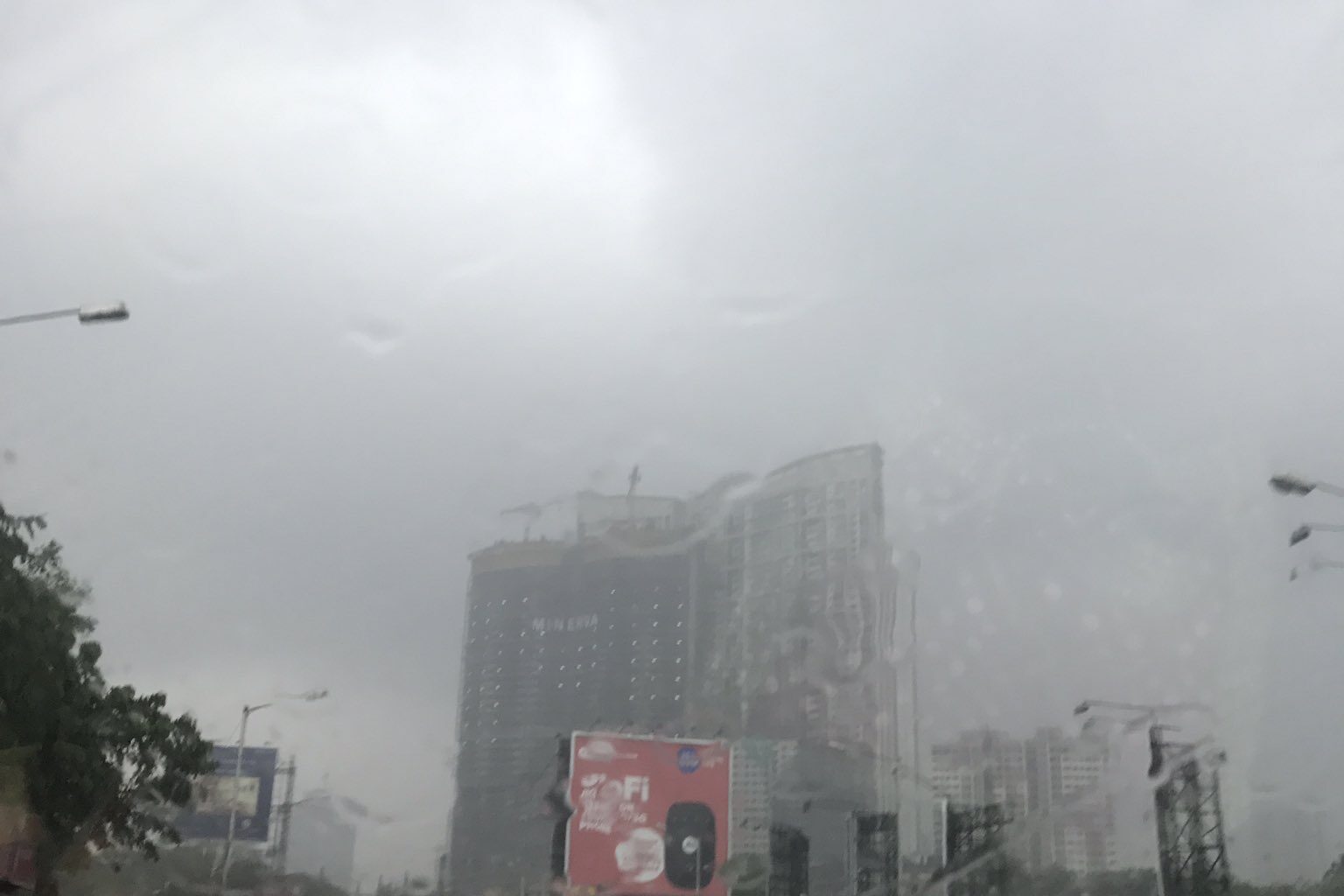

A new study published in Nature reveals a stark truth — flooding and heavy rainfall account for nearly 8 percent of all deaths during Mumbai’s monsoon season, a toll comparable to cancer deaths in the city. Researchers say the findings highlight how climate change and inequality combine to make Mumbai’s poorest residents the most vulnerable.
The study, conducted by Ashwin Rode of the University of Chicago, Tom Bearpark of Princeton University, and Archana Patankar, a Mumbai-based climate change economist, analyzed several years of highly localized rainfall and mortality data. It found that intense rainfall and flooding kill an estimated 2,300 to 2,700 people every monsoon season, costing the city nearly USD 1.2 billion annually in life years lost.
Alarmingly, the impact is not evenly distributed.
According to the study, 85 percent of those who die from rainfall live in slum areas. Rain-related deaths make up 11 percent of all monsoon deaths among slum residents, compared to only 2.4 percent among residents in formal housing. Women and children are especially vulnerable — rainfall accounts for 18 percent of monsoon deaths among children under five and 11 percent among women, largely due to waterborne diseases such as diarrhea, malaria, and dengue.
“These results reflect vast inequality in our cities,” says co-author Archana Patankar, a climate change economist and World Bank consultant who founded Green Globe Consulting in Mumbai. “Poor areas experience very different housing, sanitation and drainage systems compared to rich areas, and our most vulnerable are not able to access the resources and healthcare they need. Fortunately, these are problems that can be solved by leaders with targeted infrastructure, disaster management and healthcare changes.”
Researchers also found that the combination of high tides and heavy rain is particularly lethal — with poor drainage leading to stagnant floodwaters and secondary disease outbreaks. Without adaptation, the study warns, rainfall-related deaths could rise by up to 20 percent over the next decade as sea levels and rainfall intensity increase.
Experts say the findings make a powerful case for slum rehabilitation and resilient housing as part of Mumbai’s climate action plan. A slum-free Mumbai, they argue, is not just a real estate dream but a public health necessity.
“If policymakers and other stakeholders use this data to target investments and prepare our megacities for the changes ahead, we have the potential to create a safer and healthier future,” said co-author Tom Bearpark of Princeton University.
As climate change reshapes Mumbai’s monsoon, the study serves as both a warning and a call to action — urging leaders to invest in equitable infrastructure and inclusive urban planning that saves lives, not just property.
Also Read: Rain, Floods, and Real Estate: The Complex Relationship in Bangalore